
Compare models

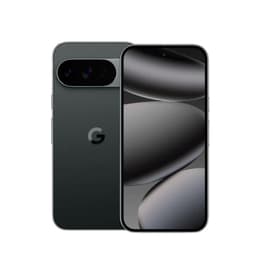
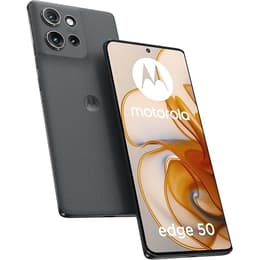
Google Pixel 10 Pro XL vs Motorola Edge 50

  • 1-year warranty
  • Free standard shipping
  • Free 30-day returns
Google Pixel 10 Pro XL
Starting at

Refurbished price:A$899.00

Versus A$1,434.00 new

See options
Motorola Edge 50
Starting at

Refurbished price:A$490.00

Versus A$832.00 new

See options

Differences at a glance

The Google Pixel 10 Pro XL (2025) and the Motorola Edge 50 (2024) are modern Android smartphones tailored to distinct segments of the mobile market. While both devices run on the Android operating system and deliver fluid day-to-day navigation, they differ significantly in scale, hardware capability, and overall software ecosystems. Choosing between them depends on whether you prioritize expansive screen real estate with advanced imaging software or a slimmer, more lightweight profile geared toward everyday convenience.

Available Models

Colour

Storage (GB)

Scores

Durability

When evaluating structural longevity and software support, both smartphones handle long-term usability well, though they follow different manufacturer timelines for updates.

  • Software longevity: The Google Pixel 10 Pro XL benefits from an extended multi-year update window covering operating system upgrades and security patches. The Motorola Edge 50 offers substantial support as well, matching typical mid-to-high tier industry standards.
  • Repairability and build: Both handsets feature robust construction standards including durable glass fronts and water resistance ratings. Component replacement follows modern smartphone assembly methods, requiring professional service for complex internal repairs.
  • Expected practical lifespan: Thanks to capable processing hardware and ample internal memory reserves, both devices are equipped to remain functional and responsive for years of daily use.

Release year

2025

2024

Operating system

Android

Android

Foldable

No

No

Performance

Underneath the surface, these two devices handle daily applications, multitasking, and media consumption through contrasting hardware allocations.

  • Multitasking and memory: The Google Pixel 10 Pro XL features a higher RAM configuration designed to keep numerous demanding applications open simultaneously. The Motorola Edge 50 handles everyday multitasking efficiently with its balanced hardware setup.
  • Battery behavior: The Pixel model includes a larger capacity battery paired with rapid wired charging capabilities to support heavy all-day use. The Motorola alternative offers a slightly lighter battery footprint that comfortably manages typical daily workflows with quick replenishment options.
  • System responsiveness: Both devices load apps quickly and render animations smoothly, providing fluid navigation across web browsing, social media, and casual gaming without noticeable stutter.

Screen quality

Visual output differs noticeably between the two models in terms of physical dimensions, peak luminance, and panel sharpness.

  • Display technology: Both smartphones utilize vibrant OLED panels that deliver deep contrast levels, rich colors, and wide viewing angles for media consumption.
  • Resolution and clarity: The Pixel 10 Pro XL provides a higher pixel density across its expansive screen, resulting in exceptionally sharp text and fine image details. The Motorola Edge 50 offers a slightly more compact footprint with crisp resolution suited for everyday reading and video streaming.
  • Outdoor visibility: High peak brightness levels on both screens ensure that menus and notifications remain legible under direct sunlight.

Resolution

1344x2992

1220x2712

Audiovisual

Imaging hardware and accompanying software tools shape how each phone captures photographs and records video.

  • Camera hardware: The Pixel 10 Pro XL employs a versatile triple-lens setup featuring high-resolution main, ultra-wide, and dedicated telephoto sensors. The Motorola Edge 50 also offers a capable multi-lens configuration including a functional optical zoom option for distant subjects.
  • Computational photography: Google integrates advanced artificial intelligence features to assist with photo composition, lighting correction, and detail enhancement. Motorola focuses on natural color reproduction and reliable stabilization across standard shooting modes.
  • Audio and video: Both models record stable high-definition video accompanied by clear multi-microphone audio capture, making them reliable tools for spontaneous recording and video calls.

Miscellaneous

Practical daily usability elements, physical dimensions, and connectivity options dictate how each device feels in the hand.

  • Physical handling: The Motorola Edge 50 features a notably slim and lightweight chassis that rests comfortably in smaller hands. Conversely, the Pixel 10 Pro XL adopts a larger and heavier build to accommodate its bigger screen and battery.
  • Connectivity: Both handsets support current-generation mobile networks, rapid Wi-Fi standards, and Bluetooth pairing for wireless accessories.
  • Security and sensors: Fast in-display fingerprint scanners and secure facial recognition come standard on both devices for quick unlocking.

Weight

232 oz

180 oz

Screen size (in)

6.8

6.7

Network

5G

5G

SIM card

Physical SIM + eSIM

Physical SIM

Carrier compatibility

Unlocked

Unlocked

What the community thinks

User discussions and community feedback indicate that buyers appreciate the Pixel 10 Pro XL for its expansive display, robust software feature set, and long-term support commitment, though some note its heavier weight requires two-handed use. On the other hand, users frequently praise the Motorola Edge 50 for its sleek ergonomics, lightweight feel, and rapid charging capabilities, while pointing out that its processing headroom is more tailored to everyday tasks than heavy gaming.

Users prioritizing a larger workspace, advanced photo assistance tools, and extended software support may prefer the Google Pixel 10 Pro XL. Meanwhile, users who value a lightweight, slender profile that is easy to handle throughout the day will find the Motorola Edge 50 well-suited to their needs. For those exploring sustainable purchasing habits, choosing a quality-assured refurbished option through platforms like Back Market offers an eco-friendly alternative to buying brand new.