
Compare models
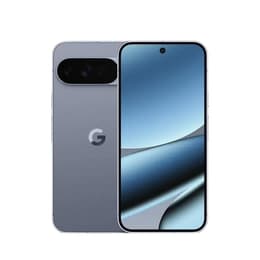
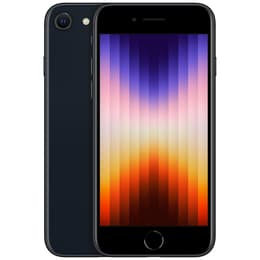
Google Pixel 10 Pro XL vs iPhone SE (2022)
- 1-year warranty
- Free standard shipping
- Free 30-day returns
Differences at a glance
The Google Pixel 10 Pro XL (2025) and the Apple iPhone SE (2022) represent two entirely different approaches to modern smartphone design, platform architecture, and user interaction. While the Pixel device utilizes an expansive display and advanced multitasking foundations, the iPhone SE relies on a classic compact form factor powered by Apple's streamlined software ecosystem. These fundamental differences in scale and operating systems shape how each device handles day-to-day communication, media consumption, and portability.
Available Models
Colour
Storage
Scores
Durability
When examining hardware longevity and software support lifespans, both devices offer distinct timelines shaped by their respective release years and platform update policies.
- Software Support Window: The Pixel 10 Pro XL benefits from an extended multi-year update commitment running deep into the decade, whereas the iPhone SE (2022) operates on Apple's traditional update cycle which spans several years from its initial market launch.
- Repairability and Build Integrity: Both manufacturers employ robust external materials, though the larger Pixel frame incorporates advanced water resistance ratings and contemporary internal modularity, while the compact iPhone utilizes a traditional bonded glass-and-aluminum chassis.
- Expected Practical Lifespan: Users selecting the Google Pixel 10 Pro XL gain modern hardware headroom for long-term operational relevance, while the iPhone SE serves users seeking a dependable medium-term daily communication tool.
Release year
2025
2022
Operating system
Android
iOS
Foldable
No
No
Performance
System responsiveness and daily multitasking behavior vary significantly due to differences in memory capacity, thermal volume, and background task handling.
- Multitasking and Memory: The Google Pixel 10 Pro XL features expansive system memory that maintains active app states smoothly across heavy workloads, while the iPhone SE manages background processes efficiently within a lighter resource footprint.
- Battery Behavior: The Pixel's high-capacity battery easily sustains extended daily usage sessions involving navigation and media streams, whereas the iPhone SE's smaller physical battery cell requires more frequent charging routines during heavy usage days.
- App Responsiveness: Both devices handle standard web browsing and messaging without friction, though demanding software tasks load more rapidly and run with sustained smoothness on the larger hardware configuration of the Pixel.
Screen quality
Display architecture forms one of the most prominent practical distinctions between these two smartphones, affecting everything from media clarity to outdoor readability.
- Display Technology: The Pixel 10 Pro XL features a vibrant OLED panel with deep black levels and wide color reproduction, contrasted with the traditional liquid crystal display found on the iPhone SE.
- Refresh Rate and Fluidity: Scrolling through web pages and documents appears notably smoother on the Pixel due to a high refresh rate screen, while the iPhone SE utilizes a standard fixed refresh rate panel.
- Outdoor Brightness: High peak luminance levels on the Pixel ensure clear visibility under bright sunlight, whereas the iPhone SE requires manual shading in intense direct light environments.
Resolution
1344x2992
750 x 1334
Audiovisual
Imaging hardware and media playback capabilities cater to very different preferences in photography, video recording, and audio output.
- Camera Versatility: The Pixel 10 Pro XL incorporates a multi-lens rear array featuring dedicated wide, ultra-wide, and telephoto options, while the iPhone SE relies on a single rear camera lens supplemented by computational image processing.
- Low-Light Photography: Advanced sensor hardware and computational software allow the Pixel to capture clear nighttime scenes with minimal grain, whereas the iPhone SE performs best in well-lit daylight conditions.
- Media and Audio Output: Stereo speaker setups on the Pixel deliver immersive sound for videos and podcasts, while the iPhone SE provides balanced audio output tailored primarily for voice calls and casual listening.
Miscellaneous
Physical handling characteristics, security sensors, and connectivity standards dictate how comfortably each device integrates into daily routines.
- Security Authentication: The Pixel 10 Pro XL utilizes an optical in-display fingerprint sensor alongside facial recognition, while the iPhone SE retains the physical Home button housing a traditional fingerprint scanner.
- Physical Dimensions: Weighing considerably less and featuring a pocket-friendly 4.7-inch footprint, the iPhone SE prioritizes one-handed operation, whereas the larger Pixel requires two-handed navigation.
- Connectivity and Ports: Modern wireless standards and a reversible port interface on the Pixel contrast with the older connector design utilized by the iPhone SE.
Weight
232 oz
144 oz
Screen size (in)
6.8
4.7
SIM card
Physical SIM + eSIM
Physical SIM + eSIM
Carrier compatibility
Unlocked
Unlocked
What the community thinks
Community discussions across online forums highlight clear patterns of user preference for each device. Owners of the Google Pixel 10 Pro XL frequently praise its expansive display estate, versatile multi-lens camera system, and reliable battery stamina during demanding days. Conversely, users drawn to the iPhone SE often highlight its lightweight, pocket-sized dimensions, the familiar tactile feel of the physical home button, and straightforward software navigation as primary daily benefits. Common criticisms for the Pixel focus on its bulky physical footprint in smaller pockets, while iPhone SE users frequently note that the smaller battery capacity necessitates midday recharges during heavy navigation use.
Users prioritizing screen space, advanced photography tools, and long battery endurance will find the Google Pixel 10 Pro XL well-suited to their requirements. Meanwhile, users who value a compact form factor, physical home button navigation, and a lightweight build may prefer the iPhone SE (2022). For buyers exploring sustainable purchasing habits, choosing a quality-assured refurbished option provides an eco-friendly alternative that extends device lifecycles without compromising on performance expectations. Ultimately, the choice depends entirely on individual physical preferences and daily software demands.