
Compare models
Google Pixel 10 Pro XL vs iPhone 14 Plus
- 1-year warranty
- Free standard shipping
- Free 30-day returns
Differences at a glance
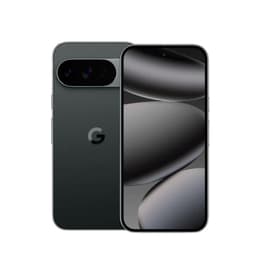
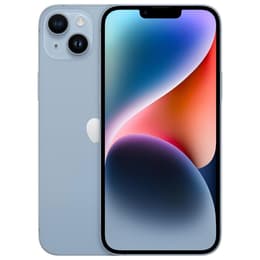
The Google Pixel 10 Pro XL (2025) and the Apple iPhone 14 Plus (2022) are large-format smartphones designed for users who prioritize expansive screen real estate. While the Pixel model runs on Android and features a newer release cycle with a triple camera layout, the iPhone relies on iOS and provides a dual camera configuration. Both devices cater to media enthusiasts and professionals seeking productivity-focused screen dimensions, though they stem from different generations and software ecosystems.
Available Models
Colour
Storage (GB)
Scores
Durability
When examining longevity and durability, these two devices reflect different release timelines and software update commitments from their respective manufacturers.
- Software support duration: The Google Pixel 10 Pro XL benefits from an extended multi-year update commitment typical of current Android flagships, whereas the iPhone 14 Plus operates on Apple's established yet shorter historical update window relative to its 2022 debut.
- Repairability and build: Both handsets feature sturdy glass and metal construction with high water resistance ratings, though users can easily find quality-assured refurbished options for both models on Back Market to extend device lifecycles sustainably.
- Expected lifespan: The Pixel offers a longer future-proofing window for software patches, while the iPhone relies on streamlined system optimization to maintain consistent daily operation over time.
Release year
2025
2022
Operating system
Android
iOS
Foldable
No
No
Performance
Underneath the surface, these smartphones handle demanding applications, multitasking, and battery management through distinct hardware and software integrations.
- Memory and multitasking: The Pixel 10 Pro XL includes generous RAM capacity that handles heavy background tasks seamlessly, while the iPhone 14 Plus manages everyday apps efficiently with tightly integrated system resources.
- Battery behavior: Both devices comfortably clear a full day of mixed usage, with the Pixel incorporating a large cell and rapid charging speeds, and the iPhone utilizing efficient power draw to preserve battery stability.
- System responsiveness: Users switching between web browsing, social media, and demanding games will experience smooth navigation and fast app loading speeds on both platforms.
Screen quality
Display characteristics are a primary focus for both models, offering large viewing panels tailored for video streaming, reading, and outdoor visibility.
- Display technology: Both phones utilize vibrant OLED screen technology that delivers deep black levels, high contrast ratios, and sharp text rendering.
- Refresh rate and fluidity: The Pixel 10 Pro XL features a high refresh rate panel for fluid scrolling and animations, while the iPhone 14 Plus utilizes a standard refresh rate optimized for steady visual performance.
- Brightness and size: Both units provide large form-factor panels exceeding 6.5 inches with high peak brightness capabilities, ensuring comfortable outdoor readability in direct sunlight.
Resolution
1344x2992
1284 x 2778
Audiovisual
Multimedia capabilities and camera hardware vary significantly, giving users different tools for capturing daily moments and recording video content.
- Camera layout: The Pixel 10 Pro XL relies on a versatile triple-lens setup including dedicated telephoto zoom capabilities, whereas the iPhone 14 Plus employs a simpler dual-lens wide and ultra-wide configuration.
- Computational photography: Google integrates advanced AI-driven software features for composition guidance and low-light enhancement, while Apple focuses on natural color reproduction and balanced HDR processing.
- Video and audio: Both handsets deliver stable high-definition video recording and clear microphone pickup for calls, alongside balanced stereo speaker output suitable for media consumption without external headphones.
Miscellaneous
Practical everyday features, connectivity standards, and physical handling characteristics define the physical experience of carrying these large smartphones.
- Connectivity standards: Both models support modern 5G cellular networks, high-speed Wi-Fi protocols, and Bluetooth for accessory pairing and reliable data transfer.
- Port types: The Pixel 10 Pro XL uses a universal USB-C connection, while the iPhone 14 Plus utilizes Apple's proprietary Lightning port connection.
- Physical handling: The Pixel carries a heavier, more substantial build profile, whereas the iPhone 14 Plus maintains a lighter aluminum frame that feels slightly easier to manage during prolonged one-handed use.
Weight
232 oz
203 oz
Screen size (in)
6.8
6,7
Network
5G
5G
SIM card
Physical SIM + eSIM
Physical SIM + eSIM
Carrier compatibility
Unlocked
Unlocked
What the community thinks
User feedback from online forums highlights distinct preferences for each device. Pixel 10 Pro XL owners frequently praise its versatile zoom photography, expansive high-refresh-rate display, and fluid multitasking capabilities, though some note its heavier physical footprint. Conversely, iPhone 14 Plus users appreciate its dependable battery longevity, straightforward iOS interface, and lighter aluminum frame, while occasionally mentioning limitations with the standard refresh rate screen and dual-camera versatility.
Users who prioritize advanced camera zoom, high refresh rates, and the Android ecosystem will find the Google Pixel 10 Pro XL well-suited to their needs. Meanwhile, users who value streamlined software simplicity, a lighter build, and the iOS environment may lean toward the iPhone 14 Plus. Choosing a quality-assured refurbished option provides a sustainable, eco-friendly alternative for acquiring either device without compromising on performance.