
Compare models

Google Pixel 10 Pro Fold vs iPhone 17 Pro Max

  • 1-year warranty
  • Free standard shipping
  • Free 30-day returns
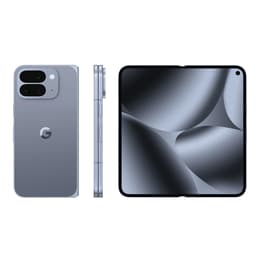
Google Pixel 10 Pro Fold
Starting at

Refurbished price:A$1,711.00

Versus A$2,699.00 new

See options
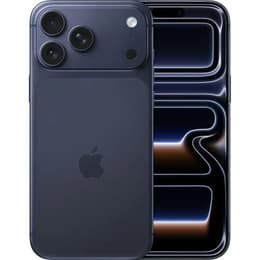
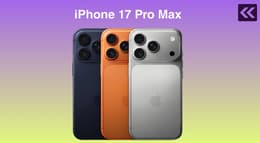
iPhone 17 Pro Max
Starting at

Refurbished price:A$1,746.00

Versus A$1,749.00 new

See options

Differences at a glance

The Google Pixel 10 Pro Fold (2025) and the iPhone 17 Pro Max (2025) represent two distinct approaches to high-end mobile technology, balancing expansive form factors with conventional flagship powerhouse designs. While the Google Pixel 10 Pro Fold features an innovative dual-screen folding layout running on Android, the iPhone 17 Pro Max relies on a large traditional display structure powered by iOS. These two devices cater to contrasting user preferences regarding multitasking space, physical build, and software ecosystems.

Available Models

Colour

Storage (GB)

Scores

Durability

Both smartphones provide robust build qualities and long-term support windows, though their physical construction influences day-to-day durability and handling in different ways.

  • Software support timelines: Both manufacturers provide extended multi-year security updates and operating system upgrades, ensuring software longevity well into the future.
  • Repairability and physical design: Traditional bar designs like the iPhone generally offer straightforward mechanical servicing compared to complex folding hinges, though both models incorporate reinforced front glass protection.
  • Expected lifespan: High-capacity internal components and robust processing headroom ensure that both choices remain functional and responsive for many years of daily use.

Release year

2025

2025

Operating system

Android

iOS

Foldable

Yes

No

Performance

System responsiveness and day-to-day speed remain exceptionally high across both platforms, though memory configuration and thermal management differ.

  • Multitasking and memory: Generous random access memory allocations allow dozens of demanding applications to remain open simultaneously without forcing background reloads.
  • App execution and gaming: Current-generation internal processors handle heavy graphical rendering, resource-intensive creative tasks, and rapid loading times smoothly.
  • Battery behavior: Large internal power reserves comfortably support a full day of mixed usage, though heavy utilization of larger display areas results in distinct power drain patterns.

Screen quality

Display configurations define the primary identity of each device, offering contrasting visual workspaces for media consumption and productivity.

  • Panel technology and flexibility: The Google Pixel 10 Pro Fold utilizes an adaptable folding organic light-emitting diode structure, whereas the iPhone 17 Pro Max opts for a fixed, high-clarity panel layout.
  • Outdoor legibility: High peak luminance levels ensure clear visibility under direct sunlight across all primary and secondary viewing surfaces.
  • Motion smoothness: High refresh rate support enables fluid scrolling through web pages, documents, and user interface elements.

Resolution

2076x2152

2868x1320

Audiovisual

Imaging hardware provides versatile capabilities for casual snapshots, detailed landscapes, and professional-grade video recording.

  • Lens versatility: Multi-sensor rear arrays incorporate wide, ultra-wide, and telephoto options to accommodate various framing distances and physical viewpoints.
  • Low-light capture: Advanced sensor processing delivers bright, detailed images with balanced dynamic range in dimly lit environments.
  • Media recording: High-resolution video capture features steady stabilization and crisp microphone audio, making both models well-equipped for content creation.

Miscellaneous

Physical dimensions, connectivity standards, and daily ergonomics dictate how each device fits into travel and professional routines.

  • Connectivity standards: Modern wireless protocols, including rapid cellular data capabilities and updated local networking frequencies, ensure stable connections on the go.
  • Physical dimensions: The folding model shifts between a narrow outer profile and a wide tablet-like layout, while the conventional model maintains a wide single-slab footprint.
  • Biometrics and ports: Secure facial recognition or integrated fingerprint sensors provide rapid unlocking alongside universal USB-type connector standards.

Weight

258 oz

233 oz

Screen size (in)

8.0

6.9

Network

5G

5G

SIM card

Physical SIM + eSIM

eSIM

Carrier compatibility

Unlocked

Unlocked

What the community thinks

User discussions and community feedback indicate that satisfaction with either device depends heavily on personal workflow habits. Owners of the Google Pixel 10 Pro Fold frequently praise its tablet-sized inner workspace for multitasking and reading, while noting that the folding mechanism adds weight and thickness to daily carry. Conversely, users of the iPhone 17 Pro Max highlight its reliable battery longevity and immersive media layout, though some find the large single-slab body cumbersome for one-handed use.

Users prioritizing expansive multitasking space and split-screen productivity will find the Google Pixel 10 Pro Fold well-suited to their needs, while users who prefer a traditional widescreen layout and streamlined software integration may lean toward the iPhone 17 Pro Max. For consumers exploring sustainable purchasing habits, choosing a quality-assured refurbished option from Back Market provides a reliable way to access these advanced technologies while supporting circular economy principles.

Our recent comparisons