Compare models
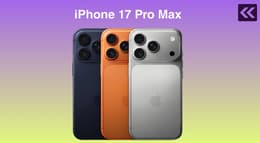
Galaxy Z Fold7 vs iPhone 17 Pro Max
- 1-year warranty
- Free standard shipping
- Free 30-day returns
Differences at a glance
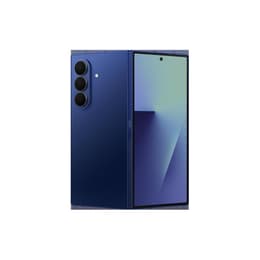
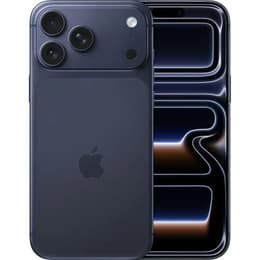
The Samsung Galaxy Z Fold7 (2025) and the Apple iPhone 17 Pro Max (2025) represent two distinct approaches to high-end mobile technology, contrasting a book-style foldable design with a traditional slate form factor. While both devices serve users seeking top-tier capability, they differ fundamentally in screen mechanics and operating systems, with the Samsung model running Android and the Apple model running iOS.
Choosing between these two flagships depends heavily on whether daily workflows benefit more from an expandable multi-window workspace or a conventional, highly durable large-screen display.
Available Models
Colour
Storage (GB)
Scores
Durability
Both flagships offer long-term viability, though their physical designs and software ecosystems shape longevity in different ways.
- Software support timelines: The Apple iPhone 17 Pro Max receives iOS updates for an extended number of years, while the Galaxy Z Fold7 provides multi-year Android version upgrades.
- Hardware resilience: The iPhone 17 Pro Max features a rigid unibody structure with advanced glass protection, whereas the Galaxy Z Fold7 utilizes a complex folding mechanism that requires careful handling over extended periods of use.
- Repairability considerations: Traditional slate devices generally present fewer mechanical vulnerabilities than folding screens, making long-term physical maintenance a distinct factor for foldable device owners.
Release year
2025
2025
Operating system
Android
iOS
Foldable
Yes
No
Performance
Handling demanding applications and everyday multitasking smoothly, both devices utilize current-generation processing architecture paired with ample memory configurations.
- Multitasking and switching: The Galaxy Z Fold7 leverages its expansive internal display and generous memory to run multiple apps side by side, while the iPhone 17 Pro Max maintains background processes efficiently through optimized system resource management.
- Storage tiers and battery behavior: Both devices offer spacious storage options starting from 256 GB, with battery capacity designed to sustain a full day of mixed usage under typical conditions.
- Thermal and gaming efficiency: High-demand gaming and heavy processor tasks run with strong responsiveness on both platforms, though prolonged use may affect thermal management differently due to the contrasting chassis designs.
Screen quality
Visual experiences diverge sharply due to the form factor differences, shifting between a versatile expanding workspace and an immersive single-panel display.
- Display technology: The Galaxy Z Fold7 offers a dual-screen setup featuring an 8.0-inch internal folding OLED panel and a 6.5-inch cover screen, compared to the iPhone 17 Pro Max's single 6.9-inch OLED display.
- Outdoor visibility: Both models achieve high peak brightness levels, ensuring clear readability and vibrant color reproduction even under direct sunlight.
- Refresh rate smoothness: High refresh rate support across all screens on both devices ensures fluid scrolling, responsive touch tracking, and smooth animation transitions.
Resolution
1968x2184
2868x1320
Audiovisual
Capturing detailed photos and smooth video is a core strength for both flagships, though their optical layouts emphasize different shooting styles.
- Camera hardware: The Galaxy Z Fold7 features a high-resolution main sensor paired with ultra-wide and telephoto options, while the iPhone 17 Pro Max utilizes a matched high-megapixel triple-lens array across its main, ultra-wide, and zoom functions.
- Video and low-light performance: Both units handle dim lighting effectively through advanced image processing and deliver stable video recording quality with clear stereo sound output.
- Media and audio output: Stereo speakers on both devices provide balanced sound reproduction for media consumption, hands-free calls, and content playback.
Miscellaneous
Practical everyday features round out the user experience, covering connectivity standards, biometrics, and physical handling traits.
- Connectivity and ports: Both devices support 5G networks and current Wi-Fi standards, utilizing USB-C connectors for wired data transfer and charging.
- Security and biometrics: The Galaxy Z Fold7 relies on a side-mounted fingerprint sensor alongside facial recognition, whereas the iPhone 17 Pro Max uses facial scanning technology exclusively.
- Physical handling: The iPhone 17 Pro Max presents a heavier slate profile, while the Galaxy Z Fold7 offers a slim folded profile that opens into a tablet-sized format at the expense of increased weight distribution.
Weight
215 oz
233 oz
Screen size (in)
8.0
6.9
Network
5G
5G
SIM card
Dual Physical SIM + eSIM
eSIM
Carrier compatibility
Unlocked
Unlocked
What the community thinks
User feedback highlights distinct preferences for each device across community forums. Owners of the Galaxy Z Fold7 frequently praise the productivity benefits of the large inner screen and the convenience of the wider cover display. Conversely, iPhone 17 Pro Max users often emphasize satisfaction with the reliable battery endurance, robust build quality, and seamless integration within the iOS ecosystem. Common discussions note that foldables require a bit more mindfulness regarding physical care, while traditional large-screen phones are valued for structural simplicity.
Users prioritizing multitasking and an expanding screen workspace will find the Galaxy Z Fold7 well-suited to their needs, while users prioritizing a sturdy traditional handset with long-term software stability may prefer the iPhone 17 Pro Max. For buyers exploring sustainable choices, a quality-assured refurbished option provides a reliable path to owning either device while supporting eco-friendly tech consumption.