
Compare models
Galaxy Z Fold7 vs iPhone 16e
- 1-year warranty
- Free standard shipping
- Free 30-day returns
Differences at a glance
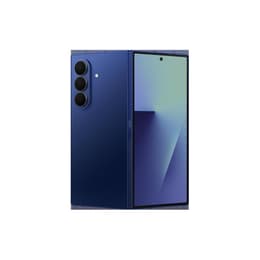
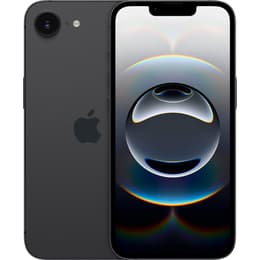
The Samsung Galaxy Z Fold7 (2025) and the Apple iPhone 16e (2025) represent two completely different approaches to modern mobile design, pairing a book-style folding smartphone with a streamlined traditional slab phone. While the Galaxy Z Fold7 offers a dual-screen expanding layout running Android, the iPhone 16e delivers a traditional single-screen experience running iOS. Both models cater to distinct daily habits, balancing expansive workspace versatility against streamlined, pocket-friendly simplicity.
Available Models
Colour
Storage (GB)
Scores
Durability
Both devices launched in 2025, providing modern baseline hardware foundations and multi-year software lifespans, though their physical designs introduce different considerations for long-term daily use.
- Software Support: The Galaxy Z Fold7 features extended Android upgrade paths, while the iPhone 16e receives long-term iOS updates matching Apple's standard device lifecycle.
- Physical Durability: The iPhone 16e uses a rigid slab chassis with reinforced front glass, whereas the Galaxy Z Fold7 incorporates a complex folding mechanism and inner flexible screen that require careful handling over years of use.
- Repairability: Traditional slab construction on the iPhone generally simplifies component swaps, while foldable engineering involves specialized hinge structures and delicate internal layers.
Release year
2025
2025
Operating system
Android
iOS
Foldable
Yes
No
Performance
Performance capabilities on both devices handle intensive tasks smoothly, though they utilize different memory configurations and operating systems to manage day-to-day apps and multitasking.
- App Loading and Multitasking: Both smartphones launch demanding applications rapidly and maintain smooth performance during extended gaming sessions or heavy browser use.
- Memory and Storage: The Galaxy Z Fold7 is equipped with ample working memory configurations starting at higher tiers to sustain split-screen multitasking, while the iPhone 16e relies on optimized operating system memory management paired with efficient storage options.
- Battery Behavior: The Galaxy Z Fold7's larger power capacity supports its expansive dual-screen setup through a full day of mixed use, whereas the iPhone 16e manages power efficiently to match typical single-screen daily demands.
Screen quality
Display technology forms the primary differentiator between these two models, contrasting a large transformable canvas with a conventional pocket-sized panel.
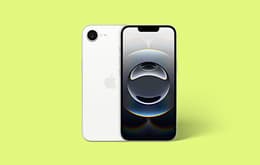
- Display Type and Size: The Galaxy Z Fold7 features a large 8.0-inch foldable main screen alongside a practical 6.5-inch cover screen, while the iPhone 16e utilizes a fixed 6.1-inch OLED panel.
- Brightness and Clarity: Both models deliver sharp resolutions and high peak brightness levels that maintain legibility under bright outdoor sunlight conditions.
- Visual Experience: The foldable display on the Samsung device enables multi-window layouts and tablet-like media consumption, whereas Apple's device offers a standard, uninterrupted viewing format ideal for single-handed navigation.
Resolution
1968x2184
2532x1170
Audiovisual
Imaging and audio hardware vary significantly to match the distinct physical form factors and intended use cases of each device.
- Camera System: The Galaxy Z Fold7 features a versatile triple rear camera setup including high-resolution primary and telephoto zoom lenses, while the iPhone 16e employs a streamlined single rear lens configuration.
- Media and Audio: Both models provide clear stereo speaker output for casual video viewing, though the larger physical footprint of the folding device allows for a more immersive soundstage during media playback.
- Video and Low Light: Both phones capture sharp video footage and process low-light scenes effectively using their respective built-in image enhancement tools.
Miscellaneous
Practical daily features such as connectivity standards, physical dimensions, and security sensors shape the ergonomics of each smartphone.
- Biometric Security: The Galaxy Z Fold7 utilizes a side-mounted fingerprint sensor combined with facial recognition, while the iPhone 16e relies on facial recognition through its front camera notch.
- Connectivity and Ports: Both devices support rapid 5G cellular networks and modern Wi-Fi standards, utilizing USB-C connectivity for charging and data transfer.
- Dimensions and Handling: The iPhone 16e offers a lightweight, thin profile suited for single-handed use, whereas the Galaxy Z Fold7 features a wider cover screen when folded and an expansive profile when opened. Choosing a quality-assured refurbished option provides a sustainable choice for consumers exploring either form factor.
Weight
215 oz
167 oz
Screen size (in)
8.0
6.1
Network
5G
5G
SIM card
Dual Physical SIM + eSIM
Physical SIM + eSIM
Carrier compatibility
Unlocked
Unlocked
What the community thinks
User feedback highlights distinct preferences for each device across online communities. Owners of the Galaxy Z Fold7 frequently praise the expansive inner screen for productivity and multitasking, though some note the heavier weight and visible screen crease. Conversely, users of the iPhone 16e appreciate its reliable battery performance, lightweight feel, and straightforward operating system, while occasionally noting the limitation of a single rear camera.
Users prioritizing maximum screen workspace and multitasking flexibility will find the Galaxy Z Fold7 well-suited to their needs. Meanwhile, users prioritizing a lightweight, traditional phone design with straightforward daily operation may lean toward the iPhone 16e. Evaluating these core form-factor differences helps determine the right fit. Exploring a quality-assured refurbished option can also offer an eco-friendly path toward acquiring either device.