
Compare models
Galaxy Z Fold7 vs iPhone 16 Plus
- 1-year warranty
- Free standard shipping
- Free 30-day returns
Differences at a glance
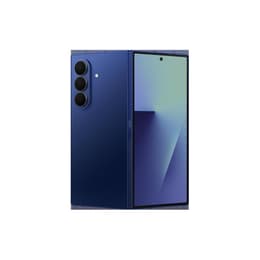
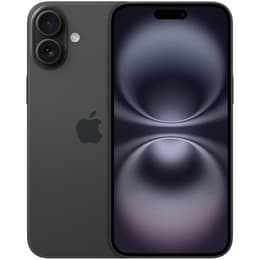
The Samsung Galaxy Z Fold7 (2025) and the Apple iPhone 16 Plus (2024) represent two distinct approaches to large-screen smartphone design. While the Galaxy Z Fold7 features an innovative book-style foldable layout running on the Android operating system, the iPhone 16 Plus offers a traditional large-format slab design powered by Apple's iOS platform. The primary differentiator lies in form factor flexibility versus streamlined, single-screen reliability, catering to entirely different daily computing preferences.
Available Models
Colour
Storage (GB)
Scores
Durability
Both devices are engineered to remain functional and secure for many years, though their hardware structures and update timelines differ in practical application.
- Software longevity: The Galaxy Z Fold7 benefits from an extended multi-year update commitment covering both operating systems and security patches, aligning with modern flagship expectations. The iPhone 16 Plus enjoys Apple's typical long-term software support cycle, ensuring consistent feature updates over a similar multi-year timeframe.
- Hardware resilience: The iPhone 16 Plus utilizes a rigid, traditional glass-and-aluminum slab construction with high-level water resistance, offering predictable long-term physical durability. The Galaxy Z Fold7 features complex folding mechanics and dual screens that require careful handling, though modern hinge engineering has improved structural stability.
- Repairability and lifespan: Traditional slab phones like the iPhone 16 Plus generally present straightforward maintenance paths, whereas foldable devices involve intricate screen assemblies that may demand specialized servicing over extended use periods.
Release year
2025
2024
Foldable
Yes
No
Performance
Underneath their distinct exteriors, both smartphones house modern hardware capable of handling intensive daily tasks, multitasking, and demanding applications without friction.
- System responsiveness: Both devices deliver swift app loading speeds, seamless window switching, and fluid gesture navigation, ensuring that everyday activities like web browsing, streaming, and messaging operate without noticeable delay.
- Multitasking and memory: The Galaxy Z Fold7 provides generous RAM configurations that excel at running multiple applications simultaneously across its expansive display layout. The iPhone 16 Plus manages background tasks efficiently through tight software and hardware integration, satisfying standard multi-app workflows.
- Power management: The iPhone 16 Plus leverages optimized battery efficiency to easily sustain a full day of mixed usage. The Galaxy Z Fold7 balances power across its cover display and larger inner screen, though intensive use of the main folding panel naturally draws more energy.
Screen quality
Display technology forms the core experience of both devices, offering divergent visual workflows for media consumption and daily interaction.
- Display architecture: The iPhone 16 Plus features a single, expansive OLED panel with sharp resolution and color accuracy suited for standard viewing. The Galaxy Z Fold7 provides a versatile dual-screen setup, featuring a usable outer cover display alongside an 8-inch folding internal screen that expands workspace significantly.
- Outdoor visibility: Both models incorporate high-brightness capabilities that maintain legibility under direct sunlight, allowing for comfortable outdoor navigation and reading.
- Motion smoothness: High refresh rate support on the Galaxy Z Fold7 ensures fluid scrolling and animations. The iPhone 16 Plus maintains consistent visual transitions, though scrolling behaviors adhere to standard refresh parameters depending on the specific application task.
Resolution
1968x2184
1290 x 2796
Audiovisual
Imaging hardware and media output capabilities cater to users who enjoy capturing everyday moments and consuming multimedia on the go.
- Lens versatility: The Galaxy Z Fold7 employs a high-resolution multi-lens camera array, including wide and telephoto options that accommodate varied focal lengths and detailed framing. The iPhone 16 Plus relies on a streamlined dual-camera system featuring vertical alignment optimized for modern capture features and spatial video recording.
- Low-light performance: Both smartphones utilize computational photography to brighten dark scenes, reduce noise, and preserve natural color tones during evening or indoor photography.
- Media and audio output: Stereo speakers on both devices deliver clear dialogue and balanced sound output for podcasts, videos, and hands-free calls, ensuring an enjoyable multimedia experience.
Miscellaneous
Practical everyday elements such as connectivity, physical dimensions, and security options define how each device integrates into daily routines.
- Connectivity and ports: Both models support widespread 5G networks, fast Wi-Fi standards, and Bluetooth connectivity. The iPhone 16 Plus uses a reversible USB-C charging port, while the Galaxy Z Fold7 similarly adopts the industry-standard USB-C connection format.
- Authentication: The iPhone 16 Plus relies on secure facial recognition technology, whereas the Galaxy Z Fold7 incorporates a side-mounted fingerprint sensor integrated into the power button alongside facial scanning options.
- Physical handling: The iPhone 16 Plus offers a slim, lightweight profile typical of large slab phones. The Galaxy Z Fold7 folds into a compact, thick bar that slips easily into pockets, unfolding into a tablet-sized form factor that weighs slightly more in hand.
Weight
215 oz
199 oz
Screen size (in)
8.0
6.7
Network
5G
5G
SIM card
Dual Physical SIM + eSIM
Physical SIM + eSIM
Carrier compatibility
Unlocked
Unlocked
What the community thinks
User feedback from online communities highlights distinct preferences for each device. Owners of the iPhone 16 Plus frequently praise its reliable battery performance, comfortable ergonomics for a large-screen slab, and straightforward operating system. At the same time, some users note the absence of a high refresh rate screen as a minor limitation. Galaxy Z Fold7 users widely appreciate the multitasking freedom provided by the large inner display and the refined thinness of the folding chassis, while occasionally pointing out that the narrower outer screen requires an adjustment period for typing.
Users prioritizing a traditional, lightweight phone experience with dependable battery life and simple single-handed operation will find the iPhone 16 Plus well-suited to their daily routine. Conversely, users seeking a flexible workspace that transforms from a standard pocket-sized device into a tablet for productivity and media consumption may prefer the Galaxy Z Fold7. Choosing a quality-assured refurbished option through Back Market can also provide an eco-friendly alternative for acquiring either of these advanced smartphones sustainably.