
Compare models

Galaxy Z Fold7 vs iPhone 14 Plus

  • 1-year warranty
  • Free standard shipping
  • Free 30-day returns
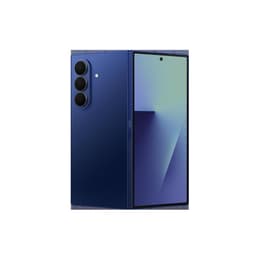
Galaxy Z Fold7
Starting at

Refurbished price:A$1,229.00

Versus A$2,499.00 new

See options
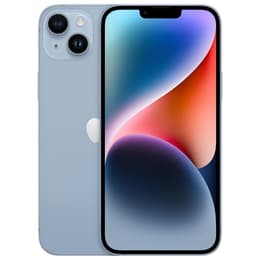
iPhone 14 Plus
Starting at

Refurbished price:A$536.00

Versus A$1,249.00 new

See options

Differences at a glance

The Samsung Galaxy Z Fold7 (2025) and the Apple iPhone 14 Plus (2022) represent two distinct approaches to modern mobile computing, featuring very different physical form factors and operating systems. While the Galaxy Z Fold7 introduces a book-style foldable design running on Android, the iPhone 14 Plus utilizes a traditional large-screen slate layout powered by iOS. These devices differ fundamentally in how they handle multitasking, screen space, and daily utility.

Available Models

Colour

Storage

Scores

Durability

When examining longevity and hardware durability, these devices span different release generations and utilize contrasting structural frameworks.

  • Software support timelines: The Galaxy Z Fold7 benefits from an extended multi-year update window reflecting its newer release date, whereas the iPhone 14 Plus operates on a mature software track with established long-term support.
  • Design construction: The iPhone 14 Plus features a rigid aluminum and glass body with fixed dimensions, while the Galaxy Z Fold7 incorporates complex mechanical hinges and dual screens that require careful handling over years of use.
  • Practical lifespan: Both models maintain robust internal components capable of sustaining daily demands for years, though traditional slate designs generally experience fewer mechanical wear points than folding devices.

Release year

2025

2022

Operating system

Android

iOS

Foldable

Yes

No

Performance

Under everyday conditions, both devices manage demanding workloads smoothly through different hardware configurations and memory management styles.

  • System responsiveness: Both smartphones handle routine app switching, web browsing, and media streaming effortlessly, though the Galaxy Z Fold7 includes higher RAM configurations suited for running multiple windows simultaneously.
  • Battery behavior: The iPhone 14 Plus delivers extended single-charge endurance for standard media consumption, while the Galaxy Z Fold7 distributes power across two separate displays depending on whether it is folded or opened.
  • Storage tiers: Both options offer versatile internal storage capacities starting at generous baselines, accommodating large photo libraries and offline files without frequent cleanup.

Screen quality

Display architecture serves as the most prominent differentiator between these two smartphones, shaping how users consume media and view content.

  • Display versatility: The Galaxy Z Fold7 features a standard cover screen alongside an expansive tablet-sized inner display, whereas the iPhone 14 Plus provides a single, uncompromised large flat panel.
  • Panel technology: Both models utilize vibrant OLED technology that delivers deep contrast levels and high peak brightness for clear outdoor legibility.
  • Viewing experience: The foldable layout allows for split-screen multitasking and larger canvas viewing, while the traditional widescreen format of the iPhone suits cinematic video playback without letterboxing.

Resolution

1968x2184

1284 x 2778

Audiovisual

Imaging hardware and media output capabilities cater to different styles of photography and content recording.

  • Rear camera systems: The Galaxy Z Fold7 houses a versatile triple-lens array including a high-resolution primary sensor and optical zoom, compared to the dual-lens configuration on the iPhone 14 Plus.
  • Video and audio recording: Both devices capture stable, high-definition video footage with clear audio pickup, making them reliable tools for casual recording and video calls.
  • Media playback: Stereo speakers on both models deliver balanced sound output for hands-free listening and media streaming.

Miscellaneous

Practical daily utility involves distinct hardware ports, connectivity standards, and physical dimensions.

  • Connectivity and ports: The Galaxy Z Fold7 adopts a reversible USB-C connection alongside modern wireless standards, while the iPhone 14 Plus relies on a Lightning connector and established wireless protocols.
  • Physical handling: The iPhone 14 Plus offers a wide, thin profile that remains lightweight for a large-screen phone, whereas the Galaxy Z Fold7 is narrower when folded but heavier and thicker due to its dual-screen mechanical assembly.
  • Biometric security: Navigation and security are handled through facial recognition or fingerprint sensors depending on the specific model design.

Weight

215 oz

203 oz

Screen size (in)

8.0

6,7

Network

5G

5G

SIM card

Dual Physical SIM + eSIM

Physical SIM + eSIM

Carrier compatibility

Unlocked

Unlocked

What the community thinks

User feedback highlights distinct preferences for each device based on everyday workflow habits. Owners of the Galaxy Z Fold7 frequently praise the expansive inner screen for productivity and multitasking, though some note the heavier weight and visible crease as trade-offs. Conversely, users of the iPhone 14 Plus often commend its reliable battery longevity and comfortable single-screen layout, while occasionally noting limitations in screen flexibility compared to folding alternatives.

Users prioritizing maximum screen estate, multitasking flexibility, and a tablet-like experience in a pocketable format will find the Galaxy Z Fold7 well-suited to their workflow. Meanwhile, users preferring a conventional large-screen smartphone, straightforward operating system mechanics, and long battery endurance will lean toward the iPhone 14 Plus. Exploring a quality-assured refurbished option provides an eco-friendly pathway to acquiring either of these capable devices while supporting sustainable technology choices.