
Galaxy Z Fold6 vs Nokia G22

Galaxy Z Fold6
Galaxy Z Fold6
Starting at

Refurbished price:A$1,088.24

Versus A$2,749.00 new

See options
Nokia G22
Nokia G22
See options

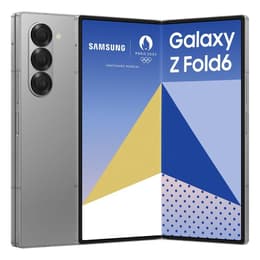
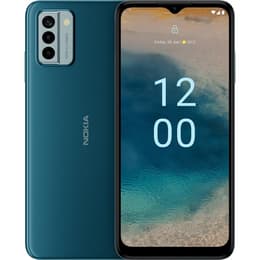
The Samsung Galaxy Z Fold6 (2024) and the Nokia G22 (2023) are distinct smartphone offerings, each catering to different user priorities. The Galaxy Z Fold6 stands out with its innovative foldable design, offering a large, expansive screen experience, while the Nokia G22 focuses on user repairability and extended battery life in a traditional smartphone form factor. Both devices operate on the Android platform, though they differ in their software update commitments and overall hardware capabilities.

Scores

Durability

The expected lifespan of these devices varies significantly, primarily due to their release timelines and manufacturer support policies.

  • Software Longevity: The Samsung Galaxy Z Fold6, released in July 2024, benefits from Samsung's commitment to providing seven years of operating system updates and security patches. This extended support ensures the device remains current and secure well into the future. The Nokia G22, launched in February 2023, was committed to two major Android OS updates, meaning it will receive updates up to Android 14, and three years of security updates.
  • Physical Durability: The Galaxy Z Fold6 features an IP48 rating for dust and water resistance, indicating a degree of protection against environmental elements. Its design includes a more durable hinge and a robust build. The Nokia G22 offers an IP52 rating, providing splash and dust resistance, and is notable for its QuickFix design, which allows users to perform common repairs like screen and battery replacements with readily available parts and guides.
  • Practical Lifespan: Users prioritizing long-term software support and advanced features will find the Galaxy Z Fold6 designed for extended use. Those who value the ability to self-repair and maintain their device, potentially extending its physical life through component replacement, may find the Nokia G22 a suitable option.

Release year

2024

2023

Compatible with latest Update

Yes

No

Operating system

Android

Android

Foldable

Yes

No

Performance

The performance capabilities of the Galaxy Z Fold6 and the Nokia G22 are tailored to different usage demands, reflecting their respective hardware foundations.

  • Processing Power: The Galaxy Z Fold6 is equipped with a current-generation processor, enabling it to handle demanding applications, intensive multitasking, and graphic-heavy gaming with smooth responsiveness. This allows for seamless transitions between apps and efficient operation of complex software. In contrast, the Nokia G22 features an entry-level processor, which provides adequate performance for everyday tasks such as web browsing, social media, and light applications. Users may experience occasional delays when opening more demanding apps or during heavy multitasking.
  • Multitasking and Storage: With 12 GB of RAM and fast UFS 4.0 storage, the Galaxy Z Fold6 offers substantial capacity for running multiple applications simultaneously without slowdowns and provides rapid data access. The Nokia G22 typically comes with 4 GB or 6 GB of RAM and UFS 2.2 storage, which is sufficient for general use but may limit the number of applications that can run smoothly in the background. It offers expandable storage via a microSD card, allowing users to increase storage capacity up to 2 TB.
  • Battery Performance: The Galaxy Z Fold6 houses a 4400 mAh battery, designed to provide a full day of mixed usage, with specific tests showing around 10-12 hours for web browsing and 7 hours for video streaming. The Nokia G22 is equipped with a larger 5050 mAh battery, which is often cited for its extended endurance, capable of lasting up to two or three days with moderate use.

Memory (GB)

12 GB

4 GB

Screen quality

The display experiences offered by these two devices differ significantly in technology, size, and visual fidelity.

  • Display Technology and Size: The Samsung Galaxy Z Fold6 features two Dynamic AMOLED 2X displays: a large 7.6-inch foldable main screen and a 6.3-inch cover screen. These OLED panels deliver deep blacks, vibrant colors, and excellent contrast. The Nokia G22 utilizes a 6.5-inch IPS LCD panel, which provides a clear viewing experience with natural color reproduction.
  • Resolution and Clarity: The Galaxy Z Fold6's main display boasts a high resolution of 2160 x 1856 pixels, resulting in sharp images and text, while its cover screen has a resolution of 2376 x 968 pixels. The Nokia G22 offers a 720 x 1600 pixel (HD+) resolution, which is suitable for general content consumption, though individual pixels may be discernible upon close inspection.
  • Brightness and Refresh Rate: Both displays on the Galaxy Z Fold6 support a 120Hz refresh rate, ensuring smooth scrolling and fluid animations, and can reach high peak brightness levels of up to 2600 nits for excellent outdoor visibility. The Nokia G22 features a 90Hz refresh rate, offering a smoother experience than standard 60Hz screens, and typically achieves around 500 nits of brightness, which is adequate for most indoor and some outdoor conditions.

Resolution

1856 x 2160

720 x 1600

Screen type

Foldable Dynamic LTPO AMOLED 2X

IPS LCD

Audiovisual

The camera systems of the Galaxy Z Fold6 and the Nokia G22 are designed with different photographic capabilities and user expectations in mind.

  • Rear Camera System: The Samsung Galaxy Z Fold6 is equipped with a versatile triple-camera setup, including a 50 MP wide-angle main sensor with optical image stabilization (OIS), a 12 MP ultrawide lens, and a 10 MP telephoto lens with 3x optical zoom and OIS. This configuration allows for detailed photos across various focal lengths, including impressive low-light performance and stable zoomed shots. The Nokia G22 features a 50 MP main camera, accompanied by two 2 MP sensors for macro photography and depth sensing. While the main sensor performs well in bright daylight, the auxiliary lenses offer limited utility, and there is no ultrawide option.
  • Front Camera and Video: For selfies and video calls, the Galaxy Z Fold6 includes a 10 MP camera on the cover screen and a 4 MP under-display camera on the main screen. It supports high-resolution video recording up to 8K at 30 frames per second. The Nokia G22 has an 8 MP front-facing camera and records video at 1080p resolution at 30 frames per second.
  • Audio Experience: The Galaxy Z Fold6 provides stereo speakers for an immersive audio experience during media consumption. The Nokia G22 offers a loudspeaker and includes a 3.5mm headphone jack, a feature not present on the Galaxy Z Fold6.

Main camera

50 megapixels

50 megapixels

Front camera

4 megapixels

8 megapixels

Miscellaneous

Beyond core specifications, several practical elements differentiate the Galaxy Z Fold6 and the Nokia G22, impacting daily usability and connectivity.

  • Connectivity Standards: The Galaxy Z Fold6 supports 5G cellular networks, Wi-Fi 6E, and Bluetooth 5.3, offering fast and efficient wireless communication. The Nokia G22 is a 4G-only device, supporting Wi-Fi 5 (802.11 a/b/g/n/ac) and Bluetooth 5.0.
  • Ports and Biometrics: The Galaxy Z Fold6 features a USB-C 3.2 port and a side-mounted fingerprint sensor for secure unlocking. The Nokia G22 also includes a USB-C 2.0 port and a side-mounted fingerprint sensor, alongside a traditional 3.5mm headphone jack.
  • Design and Handling: The Galaxy Z Fold6, with its foldable design, offers a compact form factor when closed (153.5 x 68.1 x 12.1 mm) and expands into a tablet-like experience when unfolded (153.5 x 132.6 x 5.6 mm), weighing 239 grams. The Nokia G22 is a more conventional slab phone, measuring 165 x 76.2 x 8.5 mm and weighing 195-196 grams, making it a lighter and more uniformly sized device.
  • Additional Features: The Galaxy Z Fold6 integrates advanced features like Ultra Wideband (UWB) support and Samsung DeX for a desktop-like experience, along with a suite of Galaxy AI features. The Nokia G22 emphasizes its user-repairable design, allowing for easier and more accessible component replacement.

Weight

239 oz

196 oz

Screen size (in)

7.6

6.5

Network

5G

4G

SIM card

Dual Physical SIM + eSIM

Dual Physical SIM

Carrier compatibility

Unlocked

Unlocked

The Samsung Galaxy Z Fold6 and the Nokia G22 cater to distinct user needs, reflecting their fundamental differences in design and capability. User sentiment for the Galaxy Z Fold6 often praises its expansive, vibrant foldable display, powerful performance for demanding tasks, and the versatility offered by its multi-camera system and productivity features like Samsung DeX and Galaxy AI. Common criticisms sometimes point to its folded thickness and weight compared to traditional smartphones, though recent iterations have seen improvements in these areas.

The Nokia G22 is frequently lauded for its exceptional battery life, often lasting multiple days on a single charge, and its unique focus on user repairability, which resonates with environmentally conscious consumers or those seeking to extend their device's lifespan through DIY fixes. However, users often note its more modest processing power and lower-resolution display as trade-offs for its affordability and repair-centric design. The camera performance is generally considered adequate in good lighting but less capable in challenging conditions.

Users prioritizing cutting-edge technology, a large, immersive display for media consumption and multitasking, and top-tier performance for gaming and productivity will find the Samsung Galaxy Z Fold6 well-suited to their needs. Its extensive software support also appeals to those seeking long-term device relevance. Conversely, individuals who value extended battery life, a straightforward smartphone experience, and the ability to perform basic repairs themselves will find the Nokia G22 a practical and sustainable choice. Both devices, when considered as quality-assured refurbished options, offer an eco-friendly alternative for consumers looking to make informed purchasing decisions.


See all articles

Our recent comparisons