
Compare models

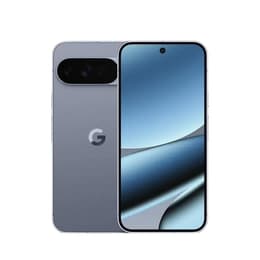
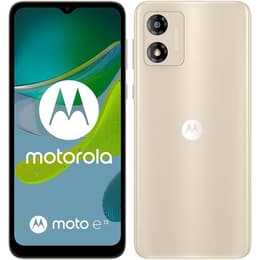
Google Pixel 10 Pro XL vs Motorola Moto E13

  • 1-year warranty
  • Free standard shipping
  • Free 30-day returns
Google Pixel 10 Pro XL
Starting at

Refurbished price:A$1,150.00

Versus A$1,434.00 new

See options

Differences at a glance

The Google Pixel 10 Pro XL (2025) and the Motorola Moto E13 (2023) are distinct smartphones catering to completely different segments of the mobile market. The Pixel 10 Pro XL operates as a feature-rich flagship device running modern Android software, whereas the Motorola Moto E13 serves as an entry-level device built for streamlined everyday basics using lightweight Android configuration. Choosing between these models depends heavily on required capability levels and daily usage intensity.

Available Models

Colour

Storage

Scores

Durability

Device longevity and software updates differ significantly between these two models due to their release timelines and hardware classifications.

  • Software Support and Updates: The Google Pixel 10 Pro XL benefits from extended multi-year operating system upgrades and security patches, whereas the Motorola Moto E13 has a more limited software lifespan tied to its entry-level classification.
  • Expected Lifespan: Higher-tier build materials and substantial processing headroom allow the Pixel model to maintain long-term reliability, while the Moto E13 functions best as a short-term or temporary solution for basic communication tasks.
  • Repairability: Both manufacturers provide standard repair guidelines, though flagship components typically require specialized service procedures compared to simpler entry-level construction.

Release year

2025

2023

Operating system

Android

Android

Foldable

No

No

Performance

Processing power and multitasking capabilities reflect the stark contrast between a high-end flagship and an entry-level device.

  • System Responsiveness: The Google Pixel 10 Pro XL handles demanding applications, heavy multitasking, and 3D gaming smoothly, whereas the Motorola Moto E13 is optimized strictly for light tasks like web browsing and messaging.
  • Memory and Storage: The Pixel offers generous memory capacity and spacious storage configurations for large media libraries, while the Moto E13 relies on modest memory and expandable storage via a dedicated memory card slot.
  • Battery Behavior: Both devices include large battery capacities designed to handle daily routines, though the Pixel manages power-intensive background tasks more efficiently through advanced system optimization.

Screen quality

Visual immersion and panel technology represent major differentiators for media consumption and outdoor usability.

  • Display Technology: The Google Pixel 10 Pro XL features a vibrant high-resolution OLED screen with deep contrast levels, whereas the Motorola Moto E13 uses a standard IPS LCD panel with basic high-definition resolution.
  • Brightness and Outdoor Legibility: Peak brightness levels on the Pixel ensure clear visibility under direct sunlight, while the Moto E13 requires shade for comfortable viewing outdoors.
  • Refresh Rate: The Pixel supports a fluid high refresh rate for smooth scrolling animations, whereas the Moto E13 operates at a standard fixed refresh rate.

Resolution

1344x2992

720 x 1600

Audiovisual

Imaging hardware and media recording capabilities vary greatly depending on whether photography is a primary focus.

  • Camera System Versatility: The Google Pixel 10 Pro XL features a versatile triple-lens array including ultra-wide and optical zoom capabilities, while the Motorola Moto E13 provides a single basic rear sensor for casual snapshots.
  • Low-Light and Video Performance: Advanced computational photography helps the Pixel capture detailed images in challenging lighting conditions and record high-resolution video, whereas the Moto E13 performs adequately only in bright daylight.
  • Audio and Media Output: Stereo speakers on the Pixel deliver a robust media consumption experience, while the Moto E13 relies on a simpler single speaker setup alongside a traditional headphone jack.

Miscellaneous

Connectivity standards, physical dimensions, and everyday convenience features shape how each phone integrates into daily routines.

  • Connectivity and Networks: The Pixel 10 Pro XL supports rapid 5G networks and modern wireless standards, whereas the Moto E13 is restricted to 4G connectivity and standard wireless protocols.
  • Physical Build: The Pixel incorporates premium glass and metal materials with robust water resistance ratings, while the Moto E13 utilizes lightweight plastic construction with basic splash resistance.
  • Biometric Security: Advanced facial recognition and secure biometric sensors are standard on the Pixel, whereas the Moto E13 relies on simpler face unlock options without fingerprint verification.

Weight

232 oz

181 oz

Screen size (in)

6.8

6.5

Network

5G

4G

SIM card

Physical SIM + eSIM

Dual Physical SIM

Carrier compatibility

Unlocked

Unlocked

What the community thinks

User discussions across community forums highlight distinct sentiments regarding both devices. Owners of the Google Pixel 10 Pro XL frequently praise its dependable battery longevity, advanced imaging software, and fluid system responsiveness, though some note its larger physical footprint can feel heavy during one-handed use. Conversely, users of the Motorola Moto E13 appreciate its lightweight handling, straightforward interface, and inclusion of expandable storage, while pointing out limitations in processing speed and camera performance during heavier tasks. Choosing the right device depends closely on individual workflow priorities. Users prioritizing high-end photography, seamless multitasking, and long-term software updates will find the Google Pixel 10 Pro XL well-suited to their needs. Meanwhile, users prioritizing a simple communication tool for basic daily tasks may lean toward the Motorola Moto E13 as an accessible option. Looking into a quality-assured refurbished option provides an eco-friendly alternative that brings advanced features within reach sustainably.

Our recent comparisons