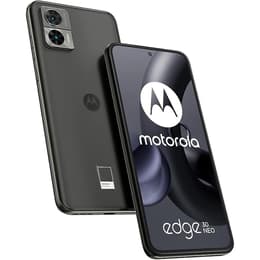

Galaxy Z Fold6 vs Motorola Edge 30 Neo

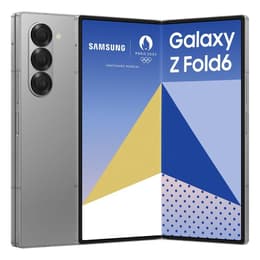
Galaxy Z Fold6
Galaxy Z Fold6
Starting at

Refurbished price:A$1,088.24

Versus A$2,749.00 new

See options
Motorola Edge 30 Neo
Starting at

Refurbished price:A$306.00

Versus A$414.00 new

See options

Ratings

The Samsung Galaxy Z Fold6, released in July 2024, represents a premium foldable smartphone experience, offering a large, adaptable display. In contrast, the Motorola Edge 30 Neo, launched in September 2022, is a more traditional, compact smartphone designed for everyday use. These devices cater to distinct user needs, primarily differing in their form factor, performance capabilities, and overall feature sets, both running on the Android operating system.

Scores

Durability

The expected lifespan and software support differ significantly between these two devices, reflecting their respective market segments and release timelines.

  • Software Longevity: The Galaxy Z Fold6 benefits from Samsung's extended support policy, promising seven years of operating system upgrades and security updates from its 2024 release. This provides a considerably longer period of current software and security patches. The Motorola Edge 30 Neo, released in 2022, was promised two major OS updates and three years of security patches, with some users reporting updates up to Android 14 and security patches extending until late 2026.
  • Physical Durability: The Galaxy Z Fold6 features a sophisticated folding mechanism and a larger, more intricate display, which introduces unique durability considerations compared to a traditional smartphone. It carries an IP48 rating for water resistance. The Motorola Edge 30 Neo, with its conventional slab design, offers an IP52 rating, indicating splash and dust resistance. The Z Fold6 also incorporates stronger chassis materials and an improved hinge system.
  • Practical Lifespan: Users prioritizing the latest software features and long-term security will find the Galaxy Z Fold6's extended update commitment more appealing. For those who prefer a compact, traditional form factor and are comfortable with a shorter software support window, the Edge 30 Neo offers a practical choice.

Release year

2024

2022

Compatible with latest Update

Yes

Yes

Operating system

Android

Android

Foldable

Yes

No

Performance

A notable distinction between these two smartphones lies in their processing power and overall system responsiveness, influencing how they handle various tasks.

  • Processing Power: The Galaxy Z Fold6 is equipped with a current-generation, high-performance processor, enabling it to handle demanding applications, intensive multitasking, and graphic-heavy gaming with ease. This results in a consistently fluid user experience. The Motorola Edge 30 Neo features a mid-range processor, which capably manages daily tasks, web browsing, and lighter applications, but may show limitations with very demanding games or extensive multitasking.
  • Multitasking and Storage: With 12 GB of RAM, the Galaxy Z Fold6 is designed for seamless transitions between numerous open applications and efficient handling of complex workflows, particularly benefiting from its large foldable display. It offers storage options up to 1 TB. The Motorola Edge 30 Neo typically comes with 6GB or 8GB of RAM and up to 256GB of storage, providing sufficient capacity for most users' apps and media, though heavy multitasking might occasionally lead to minor delays.
  • Battery Behavior: The Galaxy Z Fold6 houses a 4400 mAh battery, which generally provides a full day of use for most users, though intensive use of the larger inner screen can lead to faster depletion. The Motorola Edge 30 Neo, with its 4020 mAh battery, often delivers a full day or more of power for moderate usage, complemented by fast wired and wireless charging capabilities.

Memory (GB)

12 GB

8 GB

Screen quality

The display experience is a primary differentiator, with the Galaxy Z Fold6 offering a unique foldable design compared to the traditional screen of the Motorola Edge 30 Neo.

  • Display Technology and Size: The Galaxy Z Fold6 features two Dynamic AMOLED 2X displays: a 7.6-inch main foldable screen and a 6.3-inch cover screen. Both offer vibrant colors, deep blacks, and high contrast, characteristic of AMOLED technology. The Motorola Edge 30 Neo has a single 6.28-inch pOLED display, also known for its rich colors and contrast.
  • Resolution and Refresh Rate: The Z Fold6's main display boasts a resolution of 2160 x 1856 pixels, providing exceptional clarity, while its cover screen has a resolution of 968 x 2376 pixels. Both screens support an adaptive 120Hz refresh rate for smooth scrolling and responsive interactions. The Edge 30 Neo offers a 1080x2400 pixel (FHD+) resolution and a 120Hz refresh rate, delivering a clear and fluid visual experience for its size.
  • Brightness and Viewing Experience: The Galaxy Z Fold6's displays can reach a peak brightness of up to 2,600 nits, ensuring excellent visibility even in bright outdoor conditions. The Edge 30 Neo's display offers good brightness for indoor and typical outdoor use, providing a comfortable viewing experience for media consumption and daily tasks. The foldable nature of the Z Fold6 allows for a tablet-like viewing area, enhancing productivity and immersive media consumption.

Resolution

1856 x 2160

1080 x 2400

Screen type

Foldable Dynamic LTPO AMOLED 2X

P-OLED

Audiovisual

The camera systems on these two devices are designed for different levels of photographic versatility and performance.

  • Rear Camera Systems: The Galaxy Z Fold6 features a triple rear camera setup, including a 50 MP wide-angle lens with optical image stabilization (OIS), a 12 MP ultra-wide lens with a 123-degree field of view, and a 10 MP telephoto lens with 3x optical zoom and OIS. This combination offers flexibility for various photographic scenarios, from expansive landscapes to distant subjects. The Motorola Edge 30 Neo comes with a dual rear camera system, comprising a 64 MP main sensor with OIS and a 13 MP ultra-wide lens that also functions for macro photography.
  • Front and Specialty Cameras: For selfies and video calls, the Z Fold6 has a 10 MP camera on its cover screen and a 4 MP under-display camera on the main foldable screen. The Edge 30 Neo is equipped with a 32 MP front-facing camera. The Z Fold6 also includes advanced features like Nightography, Instant Slow-mo, Pro mode, and AI editing tools, enhancing its photographic capabilities across different lighting conditions.
  • Video Recording: The Galaxy Z Fold6 is capable of recording video at up to 8K resolution at 30 frames per second with its primary camera, and 4K at 60 frames per second across most of its lenses. The Motorola Edge 30 Neo records video at a maximum of 1080p resolution.

Main camera

50 megapixels

64 megapixels

Front camera

4 megapixels

32 megapixels

Miscellaneous

Beyond the core features, several practical elements contribute to the overall user experience and differentiate these two smartphones.

  • Connectivity and Ports: Both devices support 5G connectivity, offering fast mobile data speeds. The Galaxy Z Fold6 features Wi-Fi 6E and Bluetooth 5.3, while the Motorola Edge 30 Neo supports Wi-Fi 6 and Bluetooth 5.1. Both utilize a USB-C port for charging and data transfer. The Edge 30 Neo notably lacks a 3.5mm headphone jack.
  • Biometric Security and Audio: Both phones incorporate modern biometric security. The Z Fold6 includes face recognition and a side-mounted fingerprint sensor, while the Edge 30 Neo features an in-display fingerprint sensor and face unlock. For audio, both devices offer stereo speakers, with the Edge 30 Neo specifically featuring Dolby Atmos support for an enhanced sound experience.
  • Design and Handling: The Galaxy Z Fold6 is a larger and heavier device at 239 grams, with dimensions that change significantly when folded (153.5 x 68.1 x 12.1 mm) and unfolded (153.5 x 132.6 x 5.6 mm). This design prioritizes a large screen experience. The Motorola Edge 30 Neo is considerably lighter at 155 grams and more compact (152.9 x 71.2 x 7.75 mm), making it easier for one-handed use and pocketability. The Z Fold6 also supports S Pen input, though the stylus is sold separately and does not have an integrated storage slot.

Weight

239 oz

155 oz

Screen size (in)

7.6

6.28

Network

5G

5G

SIM card

Dual Physical SIM + eSIM

Dual Physical SIM

Carrier compatibility

Unlocked

Unlocked

User feedback for the Galaxy Z Fold6 often highlights its exceptional multitasking capabilities and the immersive experience provided by its large inner display, making it a strong contender for productivity and media consumption. Users appreciate the smooth performance and the solid battery life for a foldable device. Some common observations include the narrowness of the outer screen when folded and the camera performance, while good, is not always considered on par with Samsung's dedicated flagship camera phones.

The Motorola Edge 30 Neo is frequently praised for its compact and lightweight design, vibrant display, and fast charging speeds, offering a comfortable and convenient daily driver. Its clean Android experience is also a recurring positive. However, some users note that its camera performance, particularly in low light or for 60fps video, can be underwhelming, and the mid-range processor may not satisfy users with heavy gaming demands. The shorter software update commitment is also a point of consideration for some.

Users prioritizing a large, adaptable screen for productivity, immersive media, and a long software support window will find the Galaxy Z Fold6 well-suited to their needs. Its advanced processing power and versatile camera system cater to those seeking a premium, cutting-edge smartphone experience. Conversely, individuals who value a compact, lightweight device for everyday tasks, a comfortable one-handed grip, and efficient battery charging may lean towards the Motorola Edge 30 Neo. This device is a practical choice for users who do not require top-tier performance or extensive camera features. Both devices, whether new or as quality-assured refurbished options, offer distinct advantages depending on individual priorities.

See all articles

Our recent comparisons