
Compare models

Galaxy Z Flip7 vs iPhone 16e

  • 1-year warranty
  • Free standard shipping
  • Free 30-day returns
Galaxy Z Flip7
Starting at

Refurbished price:A$840.00

Versus A$1,799.00 new

See options
iPhone 16e
Starting at

Refurbished price:A$688.00

Versus A$999.00 new

See options

Differences at a glance

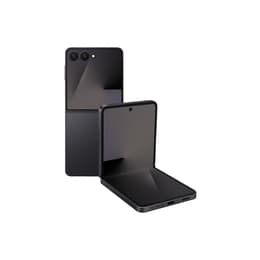
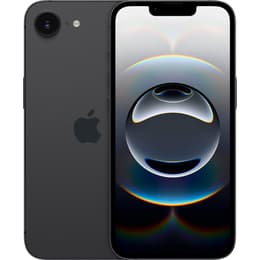
The Samsung Galaxy Z Flip7 (2025) and the Apple iPhone 16e (2025) represent two distinct approaches to modern mobile technology, contrasting an innovative folding clamshell design with a streamlined, traditional smartphone format. While both devices serve daily communication and computing needs, they target very different physical form factors and run on separate operating systems, with the Galaxy Z Flip7 utilizing Android and the iPhone 16e operating on iOS. Choosing between them depends largely on user preference for pocketable folding mechanics versus classic bar-style simplicity.

Available Models

Colour

Storage (GB)

Scores

Durability

Both devices arrived on the market in early-to-mid 2025, positioning them as modern options with robust multi-year support windows, though their physical construction introduces distinct longevity considerations.

  • Software Lifespan and Support: Both manufacturers provide extensive operating system updates and security patches spanning multiple years, ensuring both models remain current and secure for long-term daily use.
  • Physical Durability and Repair: The iPhone 16e features a rigid, traditional aluminum and glass construction with standard water resistance, whereas the Galaxy Z Flip7 incorporates a flexible folding display mechanism that requires careful handling over years of frequent opening and closing.

Release year

2025

2025

Operating system

Android

iOS

Foldable

Yes

No

Performance

Underneath their exteriors, both smartphones deliver snappy, responsive day-to-day operation, though they handle storage configurations and multitasking resources differently.

  • Multitasking and App Responsiveness: Both models handle heavy applications, rapid app switching, and demanding mobile games smoothly, supported by generous baseline random-access memory configurations that keep background tasks active without stuttering.
  • Battery Behavior: The iPhone 16e relies on a single-screen layout and efficient power management to navigate a full day of standard use, while the Galaxy Z Flip7 balances a larger main screen and an external cover display, which may influence charging frequency depending on how often the secondary panel is used.

Screen quality

Display technology is one of the most prominent differentiators, defining how users interact with content, media, and notifications throughout the day.

  • Display Format and Panels: The iPhone 16e features a traditional 6.1-inch OLED screen with sharp clarity and deep contrast levels, whereas the Galaxy Z Flip7 provides a folding main display that opens to a spacious viewing area alongside an expanded external cover screen for quick glances at notifications.
  • Outdoor Visibility and Smoothness: Both devices offer high peak brightness levels to maintain legibility under bright sunlight, though the folding screen on the Samsung option features a visible crease along the middle that users generally adapt to over time.

Resolution

1080x2520

2532x1170

Audiovisual

Imaging hardware and media playback capabilities vary to match each device's unique physical styling and intended user audience.

  • Photography and Video: The iPhone 16e uses a high-resolution primary camera setup to capture detailed everyday photos and stable video clips, while the Galaxy Z Flip7 offers dual rear lenses and versatile framing angles enabled by its ability to prop itself up at various folding positions.
  • Audio and Media Consumption: Both models deliver clear stereo sound output suitable for hands-free calls, casual video viewing, and listening to podcasts without requiring external speakers.

Miscellaneous

Practical daily features, physical dimensions, and connectivity options shape how comfortably each phone integrates into a traveler's or professional's routine.

  • Build and Handling: The iPhone 16e offers a lightweight, familiar bar-style grip, whereas the Galaxy Z Flip7 folds down into a compact square shape that slips easily into smaller pockets or bags.
  • Connectivity and Security: Both smartphones support modern fifth-generation cellular networks and fast Wi-Fi standards, utilizing secure biometric authentication methods such as facial recognition to lock and unlock the system safely.

Weight

188 oz

167 oz

Screen size (in)

6.9

6.1

Network

5G

5G

SIM card

Physical SIM + eSIM

Physical SIM + eSIM

Carrier compatibility

Unlocked

Unlocked

What the community thinks

When deciding between these two devices, user priorities regarding hardware style and operating system preference will heavily guide the final choice. Users who value a compact, pocket-friendly folding design with versatile tabletop angles may prefer the Galaxy Z Flip7, while those seeking a straightforward, traditional interface within the iOS ecosystem will likely lean toward the iPhone 16e. For consumers exploring sustainable purchasing decisions, a quality-assured refurbished option provides an eco-friendly alternative that reduces electronic waste without compromising on core functionality.