Galaxy Z Fold6 vs iPhone 14 Plus

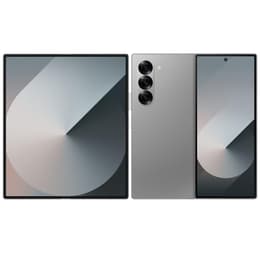
Galaxy Z Fold6
Galaxy Z Fold6
Starting at

Refurbished price:A$1,090.24

Versus A$2,749.00 new

See options
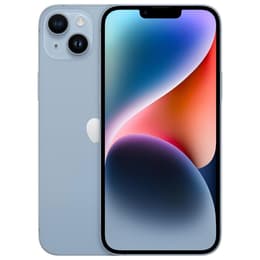
iPhone 14 Plus
iPhone 14 Plus
Starting at

Refurbished price:A$486.00

Versus A$1,249.00 new

See options

Ratings

The Samsung Galaxy Z Fold6, released in July 2024, and the Apple iPhone 14 Plus, launched in October 2022, represent distinct philosophies in smartphone design. The Z Fold6 offers a unique foldable form factor that transforms from a traditional smartphone into a tablet-sized display, operating on Android. In contrast, the iPhone 14 Plus is a conventional large-screen smartphone within the iOS ecosystem, known for its straightforward user experience and robust performance. The primary differentiators lie in their display technology and operating system approaches.

Scores

Durability

When considering the longevity of these devices, their release timelines and operating system support are key factors.

  • Software Support: The Galaxy Z Fold6, being a newer Android device, is promised 7 years of OS and security updates from its release, extending its software lifespan significantly. The iPhone 14 Plus, while benefiting from Apple's generally long-term iOS support, was released two years prior and will likely receive major iOS updates for a shorter period overall compared to the Z Fold6's extended commitment.
  • Physical Durability: The iPhone 14 Plus features a Ceramic Shield front cover and an IP68 rating for water and dust resistance, offering robust protection against everyday elements. The Galaxy Z Fold6 has improved its folding screen durability with each generation and carries an IP48 rating, indicating resistance to both dust and water submersion. However, the folding mechanism introduces a different set of considerations for long-term mechanical wear compared to a rigid device.
  • Repairability: While both devices are complex, the iPhone 14 Plus has seen improvements in its internal design to facilitate certain repairs. Foldable phones like the Z Fold6 generally present more intricate repair challenges due to their advanced hinge and dual-screen components.

Performance

The performance of these devices caters to different user needs, driven by their respective hardware and software optimizations.

  • Processing Power: The Galaxy Z Fold6 features a current-generation processor, which provides a performance advantage for demanding applications, intensive multitasking across its large display, and advanced gaming. The iPhone 14 Plus utilizes a powerful processor from the previous year's Pro models, delivering smooth performance for everyday tasks and most applications.
  • Multitasking Capabilities: The Z Fold6 excels in multitasking, allowing users to run multiple applications simultaneously on its expansive inner screen, akin to a small tablet. The iPhone 14 Plus offers a fluid single-app experience and standard split-screen capabilities for certain applications within the iOS environment.
  • System Responsiveness: Both devices offer highly responsive user experiences. The Z Fold6's ample RAM contributes to seamless app switching and background process management. The iPhone 14 Plus, with its optimized software and efficient processor, maintains consistent fluidity in navigation and app loading.

Memory (GB)

12 GB

6 GB

Screen quality

The display experience is a major differentiator between these two smartphones, primarily due to the Z Fold6's unique foldable design.

  • Display Technology and Size: The Galaxy Z Fold6 features two Dynamic AMOLED 2X displays: a 6.3-inch cover screen and a 7.6-inch main foldable screen. This allows for a compact phone experience that can unfold into a larger, tablet-like canvas. The iPhone 14 Plus features a single 6.7-inch Super Retina XDR OLED display, offering a large, traditional smartphone viewing area.
  • Resolution and Clarity: The Z Fold6's main display offers a resolution of 2160 x 1856 pixels, providing sharp visuals on its larger surface. The iPhone 14 Plus has a resolution of 2778 x 1284 pixels, resulting in a high pixel density for clear and detailed images and text.
  • Brightness and Refresh Rate: Both devices offer vibrant displays with excellent brightness. The Z Fold6's displays can reach up to 2,600 nits peak brightness and feature an adaptive 120Hz refresh rate for smooth scrolling and animations. The iPhone 14 Plus provides up to 1200 nits peak brightness for HDR content, but its refresh rate is fixed at 60Hz.

Audiovisual

Both smartphones offer capable camera systems, designed to capture high-quality photos and videos in various conditions, though with different configurations.

  • Camera System Configuration: The Galaxy Z Fold6 features a versatile triple-camera setup on the rear, including a 50 MP wide-angle lens, a 12 MP ultra-wide lens, and a 10 MP telephoto lens with 3x optical zoom. It also has a 10 MP front camera on the cover screen and a 4 MP under-display camera on the main screen. The iPhone 14 Plus features a dual-camera system with a 12 MP main wide-angle lens and a 12 MP ultra-wide lens. Its front-facing camera is a 12 MP TrueDepth sensor.
  • Photography Performance: Both devices excel in well-lit conditions, producing detailed and color-accurate images. The Z Fold6's telephoto lens provides greater flexibility for zoomed shots. The iPhone 14 Plus is noted for its consistent image quality and improved low-light performance compared to previous generations. The Z Fold6's under-display camera is generally considered suitable for video calls but less ideal for high-quality photography.
  • Video Recording Capabilities: Both phones offer advanced video recording features. The Z Fold6 supports 4K video recording at 60 frames per second. The iPhone 14 Plus offers 4K video recording at various frame rates, including Cinematic mode for a shallow depth of field effect and Action mode for enhanced stabilization.

Miscellaneous

Beyond core features, several practical elements differentiate the user experience of these two devices.

  • Connectivity and Ports: Both the Galaxy Z Fold6 and iPhone 14 Plus support 5G cellular networks, along with modern Wi-Fi standards (Wi-Fi 6E for Z Fold6, Wi-Fi 6 for iPhone 14 Plus) and Bluetooth 5.3, ensuring fast and reliable wireless connections. The Z Fold6 uses a USB-C port for charging and data transfer, while the iPhone 14 Plus uses Apple's Lightning port.
  • Biometric Authentication: The Z Fold6 typically features a side-mounted fingerprint sensor for secure unlocking. The iPhone 14 Plus relies on Face ID, Apple's facial recognition system, for biometric authentication.
  • Form Factor and Handling: The Z Fold6 is heavier at 239 grams and thicker when folded (12.1 mm) compared to the iPhone 14 Plus, which weighs 203 grams and is 7.8 mm thick. The Z Fold6 offers a compact footprint when folded but a bulkier feel, while the iPhone 14 Plus provides a large, traditional smartphone form factor that is surprisingly light for its size.

Screen size (in)

7.6

6,7

Network

5G

5G

SIM card

Dual Physical SIM + eSIM

Physical SIM + eSIM

Carrier compatibility

Unlocked

Unlocked

The Samsung Galaxy Z Fold6 and the iPhone 14 Plus cater to different user preferences and priorities. The Z Fold6 is often praised for its innovative foldable design, offering the versatility of a large tablet screen in a pocketable form factor, making it ideal for productivity and media consumption. Users appreciate its powerful performance, extensive multitasking capabilities, and the extended software support. However, some users note the bulkier folded profile and the quality of the under-display camera as areas for consideration.

The iPhone 14 Plus is frequently lauded for its excellent battery life, large and vibrant display, and reliable camera system. Its straightforward iOS experience and robust build quality are also common praise points. Criticisms often revolve around its 60Hz display refresh rate and the absence of a telephoto lens, features found in higher-tier models.

Users prioritizing a versatile device that can transform between a phone and a small tablet for enhanced productivity and immersive media viewing may find the Galaxy Z Fold6 well-suited to their needs. Conversely, individuals who value a large, traditional smartphone experience with exceptional battery life, a consistent camera, and the familiar iOS ecosystem will likely lean towards the iPhone 14 Plus. Both devices offer compelling features, and choosing between them often comes down to whether a foldable design or a conventional large-screen experience aligns best with daily usage patterns. For those considering either device, exploring quality-assured refurbished options can be an eco-friendly alternative.

See all articles

Our recent comparisons