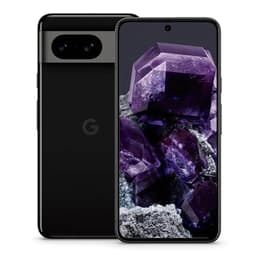

Galaxy Z Fold6 vs Google Pixel 8

Galaxy Z Fold6
Galaxy Z Fold6
Starting at

Refurbished price:A$1,090.24

Versus A$2,749.00 new

See options
Google Pixel 8
Google Pixel 8
Starting at

Refurbished price:A$463.00

Versus A$1,245.00 new

See options

Ratings

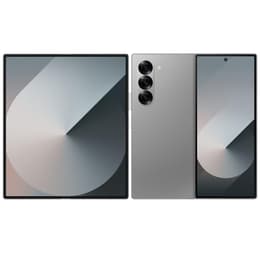
The Samsung Galaxy Z Fold6, released in July 2024, and the Google Pixel 8, launched in October 2023, represent distinct philosophies in modern smartphone design. The Z Fold6 offers a unique foldable form factor, transforming from a compact device into a larger tablet-like screen, while the Pixel 8 maintains a traditional slab design, focusing on advanced computational photography and artificial intelligence. Both devices operate on the Android platform, providing access to a vast ecosystem of applications, though they feature different user interfaces.

Scores

Durability

When considering the longevity of these devices, several factors come into play, including software support and physical resilience.

  • Software Updates: Both the Samsung Galaxy Z Fold6 and the Google Pixel 8 offer an impressive commitment to seven years of operating system and security updates from their respective release dates. This extended support means both devices are designed to remain current and secure well into the future, with the Pixel 8's support extending until October 2030.
  • Physical Durability: The Pixel 8 features Corning Gorilla Glass Victus on its front display and an IP68 rating for dust and water resistance, indicating robust protection against environmental elements. The Galaxy Z Fold6, with its foldable design, incorporates Corning Gorilla Glass Victus 2 on its cover screen and back panel, alongside ultra-thin flexible glass for its inner display. It carries an IP48 rating, offering dust and water resistance, a notable improvement for a foldable device.
  • Repairability: The Pixel 8 is considered moderately repairable, with a score ranging from 5.5 to 7 out of 10, and Google provides service manuals and parts. The Z Fold6, due to its complex folding mechanism and multiple screens, has a lower repairability score of approximately 4.5 out of 10, with professional repair often recommended for its delicate inner screen.

Release year

2024

2023

Compatible with latest Update

Yes

Yes

Operating system

Android

Android

Foldable

Yes

No

Performance

Both smartphones deliver strong performance, though they are powered by different processors optimized for their respective ecosystems.

  • Processing Power: The Galaxy Z Fold6 is equipped with a current-generation processor, enabling smooth operation across demanding applications and multitasking scenarios. The Pixel 8 features Google's Tensor G3 processor, which is specifically engineered to enhance on-device artificial intelligence capabilities and optimize overall system efficiency.
  • Multitasking and Storage: The Z Fold6 typically comes with 12 GB of RAM, providing ample capacity for extensive multitasking, while the Pixel 8 usually offers 8 GB of RAM. Both devices offer various internal storage options, with the Z Fold6 available up to 1 TB and the Pixel 8 up to 256 GB.
  • Battery Behavior: The Z Fold6 has a total battery capacity of 4400 mAh, but its large, high-refresh-rate screens can lead to thermal issues and faster battery drain under heavy use. The Pixel 8 features a 4575 mAh battery, and while generally offering good battery life, some users report it can be average for heavy usage.

Memory (GB)

12 GB

8 GB

Screen quality

The display experience is a primary differentiator between these two devices, largely due to their fundamental form factors.

  • Display Technology and Size: The Galaxy Z Fold6 features two Dynamic AMOLED 2X displays: a large 7.6-inch foldable inner screen and a 6.3-inch cover screen. This allows for a versatile viewing experience, from a compact outer display to an expansive tablet-like inner display. The Pixel 8 has a single 6.2-inch OLED display, providing a vibrant and clear viewing area in a traditional smartphone form.
  • Resolution and Clarity: The Z Fold6's inner display offers a resolution of 2160 x 1856 pixels, while its cover screen is 2376 x 968 pixels. The Pixel 8's display has a resolution of 2400 x 1080 pixels (FHD+). Both devices offer high pixel density for sharp visuals.
  • Brightness and Smoothness: Both smartphones feature adaptive 120Hz refresh rates for smooth scrolling and responsiveness. They also offer high peak brightness levels, with the Z Fold6 reaching up to 2600 nits and the Pixel 8 up to 2000 nits, ensuring good visibility in various lighting conditions.

Resolution

1856 x 2160

1080 x 2400

Screen type

Foldable Dynamic LTPO AMOLED 2X

OLED

Audiovisual

Both devices offer capable camera systems, though their strengths and approaches to photography differ.

  • Camera System Configuration: The Galaxy Z Fold6 features a versatile triple rear camera system, including a 50 MP wide-angle lens, a 12 MP ultra-wide lens, and a 10 MP telephoto lens with 3x optical zoom. It also has a 10 MP camera on the cover screen and a 4 MP under-display camera on the inner screen. The Pixel 8 comes with a dual rear camera setup, comprising a 50 MP wide-angle lens and a 12 MP ultra-wide lens, alongside a 10.5 MP front-facing camera.
  • Photography Performance: The Pixel 8 excels in computational photography, consistently producing images with balanced tones, good detail, and pleasing color reproduction, particularly in auto mode and low-light situations. The Z Fold6 also incorporates a ProVisual Engine for AI-based image processing to enhance photo quality.
  • Video and Audio: Both devices offer strong video recording capabilities, including 4K resolution at 60 frames per second. For media consumption, both smartphones are equipped with stereo speakers, providing an immersive audio experience.

Main camera

50 megapixels

50 megapixels

Front camera

4 megapixels

10.5 megapixels

Miscellaneous

Beyond core performance and display, several practical elements contribute to the overall user experience of these devices.

  • Connectivity and Ports: Both the Galaxy Z Fold6 and Google Pixel 8 support modern connectivity standards, including 5G and advanced Wi-Fi. The Pixel 8 supports Wi-Fi 7, while the Z Fold6 supports Wi-Fi 6E. The Z Fold6 also includes Ultra-Wideband (UWB) support. Both devices utilize a USB-C port for charging and data transfer, and neither includes a traditional 3.5mm headphone jack.
  • Biometric Security: The Z Fold6 incorporates a side-mounted fingerprint sensor for secure unlocking. The Pixel 8 features an under-display optical fingerprint sensor.
  • Design and Handling: The Z Fold6 weighs 239 grams and offers a unique experience with its ability to fold, providing a larger screen when unfolded and a more compact form when closed (153.5 x 68.1 x 12.1 mm folded, 153.5 x 132.6 x 5.6 mm unfolded). The Pixel 8 is lighter at 187 grams and more compact (150.5 x 70.8 x 8.9 mm), offering a traditional smartphone feel.

Weight

239 oz

187 oz

Screen size (in)

7.6

6.2

Network

5G

5G

SIM card

Dual Physical SIM + eSIM

Physical SIM + eSIM

Carrier compatibility

Unlocked

Unlocked

User feedback for the Galaxy Z Fold6 often highlights its innovative foldable design and the expansive screen as major advantages for multitasking and media consumption. However, some users note the persistent crease on the inner display and potential thermal management challenges, which can impact battery performance. The Pixel 8 is frequently praised for its exceptional camera capabilities, smooth software experience, and Google's commitment to long-term software updates. Criticisms sometimes point to average battery life for heavy users and occasional reports of build quality inconsistencies, such as paint chipping or display issues.

Users prioritizing a large, versatile screen for productivity, immersive media viewing, or those keen on the latest foldable technology will find the Galaxy Z Fold6 well-suited to their needs. Conversely, individuals who value top-tier camera performance, a streamlined and intuitive software experience, extended software support, and a more traditional, compact smartphone form factor may lean toward the Google Pixel 8. Both devices, whether new or as quality-assured refurbished options, offer distinct advantages for different user needs.
See all articles

Our recent comparisons