
Galaxy Z Fold6 vs Google Pixel 7a

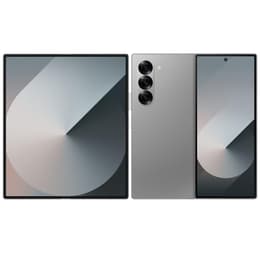
Galaxy Z Fold6
Galaxy Z Fold6
Starting at

Refurbished price:A$1,088.24

Versus A$2,749.00 new

See options
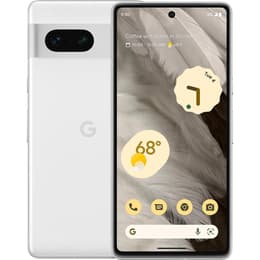
Google Pixel 7a
Google Pixel 7a
Starting at

Refurbished price:A$337.00

Versus A$749.00 new

See options

Ratings

The Samsung Galaxy Z Fold6 (2024) and the Google Pixel 7a (2023) represent distinct approaches to modern smartphone design and functionality. The Galaxy Z Fold6 stands out as a foldable device, offering a large, expansive screen experience when unfolded, while the Pixel 7a provides a more traditional, compact smartphone form factor. Both devices operate on the Android platform, but they cater to different user priorities through their unique hardware and software integrations.

Scores

Durability

When considering the long-term usability of these devices, their release timelines and software support policies are key factors.

  • Release Timeline and Software Support: The Galaxy Z Fold6, released in July 2024, benefits from Samsung's commitment to providing seven years of Android operating system updates and security patches. The Pixel 7a, launched in May 2023, typically receives five years of software updates from Google, with OS updates until at least May 2026 and security updates until at least May 2028. This difference means the Z Fold6 is expected to receive software support for a longer duration, extending its practical lifespan in terms of up-to-date features and security.
  • Physical Durability: The Galaxy Z Fold6 features an IP48 rating for dust and water protection, utilizing Corning Gorilla Glass Victus 2 on its cover screen and back panel. Its inner foldable display, however, is more susceptible to scratches. The Pixel 7a, with its IP67 rating, offers robust dust and water resistance and uses Corning Gorilla Glass 3 for its display. While the Z Fold6's hinge mechanism has shown some susceptibility to dust ingress in extreme tests, the Pixel 7a has demonstrated strong resistance to bending and general wear in durability assessments. The Z Fold6's hinge is rated for 200,000 folds.
  • Repairability: Both devices are designed with modern smartphone repairability in mind. However, the complex foldable mechanism of the Z Fold6 may present unique challenges compared to the more conventional design of the Pixel 7a.

Release year

2024

2022

Compatible with latest Update

Yes

Yes

Operating system

Android

Android

Foldable

Yes

No

Performance

Both devices offer capable performance for everyday tasks, though they differ in their internal configurations and how they handle demanding applications.

  • Processor Capabilities: The Galaxy Z Fold6 is equipped with a current-generation processor, enabling powerful performance for demanding applications, intensive multitasking, and graphic-heavy gaming. The Pixel 7a features a previous-generation processor that provides smooth general usage and efficient multitasking for most users.
  • Memory and Storage: The Galaxy Z Fold6 comes with 12 GB of RAM and offers storage options of 256 GB, 512 GB, or 1 TB. The Pixel 7a includes 8 GB of RAM and 128 GB of non-expandable internal storage. The higher RAM in the Z Fold6 contributes to smoother transitions and app retention during heavy multitasking.
  • Battery Behavior: The Galaxy Z Fold6 houses a 4400 mAh battery, providing a full day of mixed usage for many users, with specific tests showing around 10-12 hours of web browsing or 7 hours of video streaming. The Pixel 7a has a 4385 mAh battery, also capable of lasting a full day for casual users, with web browsing tests averaging around 10 hours. Both devices support wired and wireless charging, with the Z Fold6 offering faster wired and wireless charging speeds. Some Pixel 7a users have reported mixed opinions regarding its battery life under heavy usage, sometimes requiring a mid-day charge.

Memory (GB)

12 GB

8 GB

Screen quality

The display experience is a primary differentiator between these two smartphones, owing to their fundamental design differences.

  • Display Technology and Size: The Galaxy Z Fold6 features a unique dual-screen setup. Its main internal display is a 7.6-inch Dynamic AMOLED 2X panel, offering a tablet-like viewing area when unfolded. The cover screen is a 6.3-inch Dynamic AMOLED 2X display, providing a conventional smartphone experience when folded. The Pixel 7a has a single 6.1-inch OLED display, offering a compact and comfortable viewing experience.
  • Resolution and Clarity: The Z Fold6's main display has a resolution of 2160 x 1856 pixels, while its cover screen is 2376 x 968 pixels, both delivering sharp and detailed visuals. The Pixel 7a's 6.1-inch OLED screen features a 2400 x 1080 pixel (FHD+) resolution, providing clear and vibrant images.
  • Brightness and Smoothness: Both the Z Fold6's displays and the Pixel 7a's display offer vibrant colors and good contrast. The Z Fold6's screens boast a peak brightness of 2600 nits, ensuring excellent visibility even in bright outdoor conditions. The Z Fold6 features a 120Hz adaptive refresh rate on both screens, while the Pixel 7a has a 90Hz refresh rate, contributing to smooth scrolling and responsive interactions.

Resolution

1856 x 2160

1080 x 2400

Screen type

Foldable Dynamic LTPO AMOLED 2X

OLED

Audiovisual

Camera capabilities are a significant factor for many smartphone users, and both devices offer advanced photographic systems with different strengths.

  • Rear Camera Systems: The Galaxy Z Fold6 features a versatile triple-camera system on its rear, including a 50 MP wide-angle main sensor with optical image stabilization (OIS), a 12 MP ultra-wide lens with a 123-degree field of view, and a 10 MP telephoto lens with 3x optical zoom and OIS. The Pixel 7a is equipped with a dual-camera setup, featuring a 64 MP wide-angle main sensor with OIS and a 13 MP ultra-wide lens with a 120-degree field of view.
  • Photography Performance: The Pixel 7a is highly praised for its computational photography, delivering impressive image quality, especially in everyday and low-light situations, often competing with higher-end devices. The Z Fold6's camera system offers strong performance, with users appreciating its versatile setup and natural processing.
  • Video Recording and Front Cameras: Both devices are capable of recording high-quality video, with the Z Fold6 supporting 8K at 30fps and the Pixel 7a supporting 4K at 30/60fps. The Z Fold6 includes a 10 MP front-facing camera on its cover screen and a 4 MP under-display camera on its main screen. The Pixel 7a features a 13 MP ultra-wide front camera, suitable for selfies and video calls. The Z Fold6 allows users to utilize its higher-quality rear cameras for selfies by using the cover screen as a viewfinder.

Main camera

50 megapixels

64 megapixels

Front camera

4 megapixels

13 megapixels

Miscellaneous

Beyond core specifications, several practical elements contribute to the overall user experience of these devices.

  • Connectivity and Ports: Both the Galaxy Z Fold6 and the Pixel 7a support 5G connectivity. The Pixel 7a features a USB-C port.
  • Security and Sensors: The Z Fold6 incorporates a side-mounted fingerprint reader for secure unlocking. The Pixel 7a offers both an under-display fingerprint sensor and face recognition for convenient and secure access.
  • Design and Handling: The Galaxy Z Fold6, with its foldable design, offers a unique form factor that transforms from a compact smartphone to a larger tablet-like device. When folded, it measures 153.5 x 68.1 x 12.1 mm and weighs 239 g. The Pixel 7a presents a more traditional smartphone design, measuring 152 x 72.9 x 9 mm and weighing 193.5 g, making it a more compact and lighter option for one-handed use. The Z Fold6 also supports S Pen input, though the stylus is not integrated into the device itself.

Weight

239 oz

212 oz

Screen size (in)

7.6

6.1

Network

5G

5G

SIM card

Dual Physical SIM + eSIM

Physical SIM + eSIM

Carrier compatibility

Unlocked

Unlocked

The Samsung Galaxy Z Fold6 and Google Pixel 7a cater to different user needs and preferences, each excelling in its own domain.

The Z Fold6 is often praised for its innovative foldable design, offering a large, immersive display for productivity and media consumption, effectively combining a smartphone and a small tablet into one device. Users appreciate its powerful performance and versatile camera system. However, some users note the bulkier form factor when folded and the inherent durability considerations of a foldable screen.

The Pixel 7a receives consistent acclaim for its exceptional camera capabilities, often outperforming devices in higher price tiers, thanks to Google's advanced computational photography. Its compact size and smooth everyday performance are also frequently highlighted as strong points. Some users, however, have expressed mixed opinions regarding its battery life under heavy usage.

Users prioritizing a cutting-edge, adaptable device with a large screen for multitasking and media, coupled with long-term software support, may find the Galaxy Z Fold6 well-suited to their needs. Conversely, users who value a more traditional, compact smartphone experience with a focus on outstanding photography and a clean Android interface will likely lean towards the Google Pixel 7a. Both devices offer robust performance for their respective categories, and considering a quality-assured refurbished option for either model can be an eco-friendly alternative to purchasing new.

See all articles

Our recent comparisons