
Smartphones
Compare models
Differences at a glance
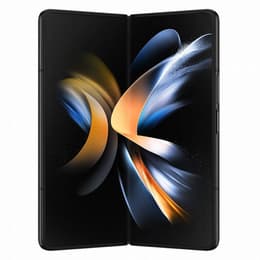
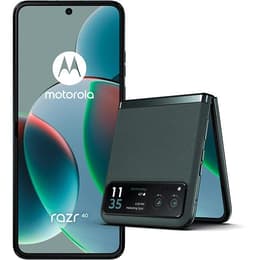
The Samsung Galaxy Z Fold4, released in August 2022, and the Motorola Razr 40, launched in June 2023, represent distinct approaches to the foldable smartphone market. While both devices offer the innovative flexibility of a folding screen, they cater to different user preferences through their unique form factors and feature sets. The Galaxy Z Fold4 unfolds to provide a tablet-like experience, emphasizing productivity and a large display, whereas the Razr 40 adopts a compact, clamshell design, prioritizing portability and a traditional phone feel when closed. Both run on the Android operating system, offering a familiar software experience with manufacturer-specific customizations.
Colour
Storage
When considering the long-term usability of these foldable smartphones, their release timelines and software support policies are key factors.
Release year
The performance of a smartphone is crucial for daily operations, from launching applications to managing multiple tasks simultaneously.
The display is a primary interaction point for any smartphone, and foldable devices offer unique screen experiences.
The camera systems on both devices are designed to capture moments, though with different strengths and capabilities.
Beyond the core features, several practical elements contribute to the overall user experience of these foldable phones.
Screen size (in)
Network
SIM card
Carrier compatibility
User feedback for the Galaxy Z Fold4 often highlights its exceptional multitasking capabilities and the immersive experience provided by its large inner display, making it a strong contender for productivity and media consumption. Users appreciate the ability to run multiple apps simultaneously and the expansive screen real estate. Common criticisms sometimes point to its bulkier form factor when folded and the visible crease on the main display, though many find these trade-offs acceptable for the functionality it offers. The battery life, while generally sufficient, can be a concern for very heavy users of the main screen.
The Motorola Razr 40 receives praise for its compact and stylish clamshell design, which evokes a sense of nostalgia while offering modern foldable technology. Users value its portability and the ability to easily fit it into smaller pockets. The external display, though smaller than some competitors, is appreciated for quick notifications and basic interactions. Criticisms frequently mention that its camera performance, while adequate for casual use, may not match the capabilities of higher-end smartphones, particularly in challenging lighting conditions. Some users also note that the processor, while capable, is not the most powerful available, and battery life can be a limiting factor for intensive use.
Users prioritizing a large, tablet-like display for enhanced productivity, extensive multitasking, and a more advanced camera system may find the Samsung Galaxy Z Fold4 well-suited to their needs. Its robust software support also offers a longer period of updates. Conversely, individuals who value a highly portable, stylish, and compact smartphone that folds into a small footprint, along with a solid everyday performance, may lean towards the Motorola Razr 40. Both devices offer a unique foldable experience, and choosing between them depends on whether a larger, more versatile screen or a more compact, traditional flip phone form factor is the priority. For those considering an eco-friendly alternative, quality-assured refurbished options for both models are available, providing a sustainable choice for acquiring these innovative devices.