
Compare models

Galaxy Z Fold4 vs Google Pixel 9a

  • 1-year warranty
  • Free standard shipping
  • Free 30-day returns
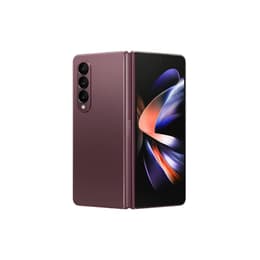
Galaxy Z Fold4
Starting at

Refurbished price:A$645.00

Versus A$3,628.00 new

See options
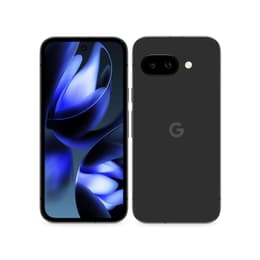
Google Pixel 9a
Starting at

Refurbished price:A$570.00

Versus A$731.50 new

See options

Differences at a glance

The Samsung Galaxy Z Fold4 (2022) and the Google Pixel 9a (2025) represent two entirely different approaches to modern smartphone design, contrasting a pioneering foldable concept with a streamlined, traditional candy-bar form factor. While the Galaxy Z Fold4 transforms from a standard outer display into a tablet-sized inner canvas, the Google Pixel 9a focuses on refined everyday utility with a durable, lightweight build. Both devices run on the Android operating system with custom manufacturer interfaces, yet they cater to completely distinct preferences in mobile engineering.

Available Models

Colour

Storage (GB)

Scores

Durability

Evaluating the lifespan and durability of these devices involves balancing hardware format maturity against software support timelines, with each model offering distinct long-term advantages.

  • Software support windows: The Google Pixel 9a benefits from an extended software update commitment spanning seven years from its release, whereas the older Galaxy Z Fold4 operates on a shorter remaining update schedule.
  • Physical durability and engineering: The Galaxy Z Fold4 utilizes a complex hinge mechanism and foldable inner screen requiring careful handling, while the Google Pixel 9a features a solid, unibody structure with standardized glass protection that withstands typical daily wear predictably.
  • Expected practical lifespan: Users opting for a quality-assured refurbished option can expect reliable performance from both models, though traditional slate designs generally present fewer mechanical vulnerabilities over years of intensive daily use.

Release year

2022

2025

Operating system

Android

Android

Foldable

Yes

No

Performance

Underneath their distinct exteriors, these smartphones deliver capable day-to-day operation managed by distinct hardware configurations and memory capacities.

  • Multitasking and memory handling: The Galaxy Z Fold4 provides extensive RAM capacity to support simultaneous multi-window use on its large screen, whereas the Google Pixel 9a handles standard background tasks and everyday app switching efficiently with its streamlined memory allocation.
  • System responsiveness: Both devices load applications swiftly and navigate user interfaces smoothly, though heavy 3D gaming and demanding processing tasks yield high responsiveness backed by each model's current-generation internal architecture.
  • Battery behavior: The Google Pixel 9a incorporates a larger battery capacity that comfortably sustains a full day of mixed usage, while the Galaxy Z Fold4's dual-screen setup often demands more frequent recharging during intensive multitasking sessions.

Screen quality

Display technology constitutes the most radical point of divergence between these two smartphones, shaping how content is consumed on a daily basis.

  • Display configuration: The Galaxy Z Fold4 opens to reveal a massive foldable inner screen alongside a tall outer cover display, while the Google Pixel 9a offers a single, flat, vibrant OLED panel with a smooth 120Hz refresh rate.
  • Outdoor visibility: Both models deliver high peak brightness levels that maintain legibility under direct sunlight, though traditional flat panels avoid the central crease visible on folding screens.
  • Viewing experience: The Pixel 9a provides a standard, comfortable aspect ratio well-suited for social media and video playback, whereas the Fold4's expansive canvas is tailor-made for productivity documents, split-screen apps, and immersive media.

Resolution

1812 x 2176

1080x2424

Screen type

Foldable Dynamic AMOLED 2X

P-OLED

Audiovisual

Imaging capabilities and media output vary significantly based on the lens arrays and acoustic configurations integrated into each chassis.

  • Camera versatility: The Galaxy Z Fold4 features a triple-lens setup including a dedicated telephoto zoom lens, while the Google Pixel 9a relies on a dual-lens rear system paired with advanced computational photography software for crisp everyday imagery.
  • Low-light performance: Google's processing algorithms excel at balancing challenging lighting conditions automatically, whereas Samsung provides versatile manual shooting modes and flexible framing options via its multi-camera array.
  • Media and audio output: Both devices deliver clear stereo sound for calls and casual video viewing, though neither includes a traditional physical headphone jack, requiring wireless or adapter-based audio solutions.

Miscellaneous

Practical day-to-day usability factors such as physical dimensions, connectivity standards, and sensor configurations dictate how each phone fits into daily routines.

  • Portability and weight: The Galaxy Z Fold4 is considerably heavier and thicker when folded due to its multi-layer screen mechanism, whereas the Google Pixel 9a offers a lightweight, pocket-friendly profile.
  • Biometrics and security: Both devices incorporate reliable authentication methods, utilizing side-mounted fingerprint sensors and secure facial recognition features for fast unlocking.
  • Connectivity standards: Each model supports modern 5G networks, high-speed Wi-Fi standards, and Bluetooth connectivity, ensuring stable pairing with contemporary accessories.

Weight

263 oz

186 oz

Screen size (in)

7.6

6.3

Network

5G

5G

SIM card

Physical SIM + eSIM

Physical SIM + eSIM

Carrier compatibility

Unlocked

Unlocked

What the community thinks

Choosing between the Samsung Galaxy Z Fold4 and the Google Pixel 9a ultimately depends on individual workflow habits and hardware preferences. Community discussions and user feedback indicate that mobile enthusiasts appreciate the Fold4 for its unmatched multitasking versatility and tablet-sized display expansion, though some users note concerns regarding weight and mechanical hinge durability over time. Conversely, owners of the Pixel 9a frequently praise its reliable battery longevity, lightweight ergonomics, and long-term software update commitment, while occasionally noting the absence of a dedicated optical zoom lens.

Users who prioritize productivity, split-screen multitasking, and an expanding display for media will find the Galaxy Z Fold4 well-suited to their needs. Meanwhile, users prioritizing a lightweight traditional design, extended software backing, and dependable everyday battery life may lean toward the Google Pixel 9a. For those seeking a sustainable choice, exploring a quality-assured refurbished option provides an eco-friendly alternative to purchasing newly manufactured hardware. Reviewing these core operational differences ensures a selection that aligns seamlessly with personal daily requirements.