
Samsung
Compare models
Differences at a glance
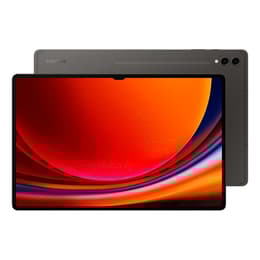
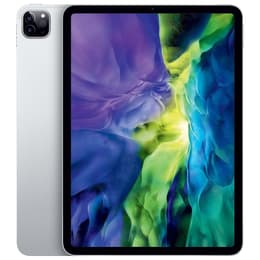
The Samsung Galaxy Tab S9 Ultra, released in August 2023, and the Apple iPad Pro (2020), launched in March 2020, represent high-end tablet offerings from their respective ecosystems. While both devices aim to provide a premium tablet experience, they differ significantly in their operating systems, display sizes, and overall design philosophy. This comparison will explore the practical distinctions between these two powerful tablets to help users determine which aligns best with their needs.
Colour
Storage
When considering the long-term usability of a tablet, software support and physical durability are key factors. The release timelines and expected update cycles of these devices offer insight into their practical lifespan.
Release year
Compatible with latest Update
Operating system
The performance of a tablet is central to its user experience, influencing everything from app responsiveness to multitasking capabilities and battery endurance.
The display is a primary interface for tablet interaction, and both devices offer high-quality visual experiences with distinct characteristics.
Resolution
Screen type
Pixel density
While tablets are not typically primary photography devices, their camera systems are important for video conferencing, document scanning, and augmented reality applications.
Beyond core specifications, several practical elements contribute to the overall user experience and differentiate these two tablets.
Weight
Screen size (in)
Network
Carrier compatibility
The Samsung Galaxy Tab S9 Ultra (2023) and the Apple iPad Pro (2020) cater to different user preferences and priorities within the high-end tablet market. Users often praise the Tab S9 Ultra for its expansive and vibrant AMOLED display, which provides an immersive viewing experience, and the inclusion of the S Pen as a standard accessory. Its DeX mode is frequently highlighted for offering a more desktop-like productivity environment within the Android ecosystem. Some users, however, note that the sheer size of the Tab S9 Ultra can make it less portable for certain use cases.
The iPad Pro (2020) is often lauded for its robust performance, even several years after its release, and the mature app ecosystem of iPadOS, particularly for creative and professional applications. Its LiDAR scanner is recognized for enhancing augmented reality experiences. A common point of discussion among users is the separate purchase required for essential accessories like the Apple Pencil and Magic Keyboard.
Users prioritizing a very large, high-quality AMOLED display, an included stylus for creative and productivity tasks, and the flexibility of the Android ecosystem with a desktop-like mode may find the Galaxy Tab S9 Ultra well-suited to their needs. Conversely, users who value the established iPadOS app library, a slightly more compact design (especially the 11-inch model), and the integration with Apple's ecosystem might lean towards the iPad Pro (2020). Both devices offer powerful performance for their respective platforms, and choosing between them often comes down to ecosystem preference, display technology, and the importance of an included stylus. For those considering a more sustainable choice, quality-assured refurbished options are available for both models, providing an eco-friendly alternative.