
iPhone
Compare models
Differences at a glance
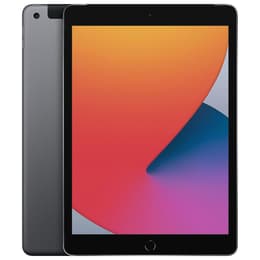
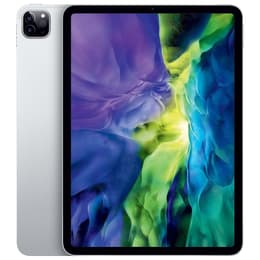
The iPad (8th generation), released in September 2020, and the iPad Pro (4th generation), released in March 2020, represent distinct tiers within Apple's tablet lineup from the same year. While both devices operate on iPadOS and share a foundational design language, the iPad Pro offers a more advanced display, a more capable camera system, and enhanced performance features designed for demanding tasks, setting it apart from the more general-purpose iPad.
Colour
Storage
Both the iPad (8th generation) and the iPad Pro (4th generation) were released in 2020, suggesting a similar timeline for software support and overall longevity. Apple typically provides several years of iPadOS updates for its devices, ensuring continued access to new features and security enhancements.
Release year
Compatible with latest Update
Operating system
Minimum system requirements (iPadOS)
The performance capabilities of these two tablets, while both powered by A12-series chips, cater to different user needs due to variations in their internal architecture.
Processor
The visual experience is a key differentiator between the standard iPad and the iPad Pro, with the latter offering a more advanced display technology.
Resolution
True Tone
Promotion
Screen type
Pixel density
Brightness
Speakers
The camera systems on these two tablets reflect their intended uses, with the iPad Pro offering a significantly more versatile and advanced setup.
Beyond core performance and display, several practical features and design elements distinguish these two iPad models.
Weight
Width
Height
Depth
Screen size (in)
Network
Carrier compatibility
Wi-Fi version
Bluetooth version
Face ID
Touch ID
Connector
The iPad (8th generation) and iPad Pro (4th generation) from 2020 cater to different user needs, a distinction often highlighted in user feedback. Users frequently praise the iPad (8th generation) for its solid performance for everyday tasks, media consumption, and educational use. Many find it to be a reliable and straightforward tablet for general browsing, email, and light productivity. Criticisms sometimes point to its more traditional design with larger bezels and the less advanced camera system compared to newer models.
Conversely, the iPad Pro (4th generation) receives acclaim for its powerful performance, especially for creative professionals and those requiring a more robust tablet for demanding applications like video editing, graphic design, and advanced multitasking. Its Liquid Retina display with ProMotion and the versatile USB-C port are often cited as significant advantages. Some users, however, note that its full potential is best unlocked with additional accessories like the Apple Pencil 2 and Magic Keyboard.
Users prioritizing a capable and dependable tablet for general use, entertainment, and basic productivity will find the iPad (8th generation) well-suited to their needs. Those who require a tablet for professional creative work, intensive multitasking, or who value a more advanced display and camera system, may lean toward the iPad Pro (4th generation). Both models remain viable options, and considering a quality-assured refurbished option can be an eco-friendly alternative for either device.