Compare models

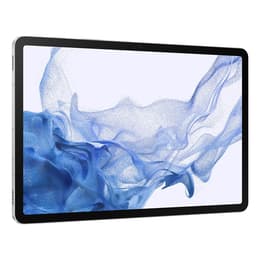
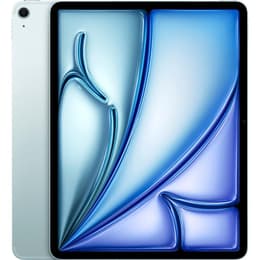
Galaxy Tab S8+ (12.4", 2022) vs iPad Air 6 (2024, M2 series)

  • 1-year warranty
  • Free standard shipping
  • Free 30-day returns

Differences at a glance

The Samsung Galaxy Tab S8+ (2022) and the iPad Air 6 (2024) are high-performance tablets designed for productivity, entertainment, and creative tasks. While they operate on different software ecosystems, both devices offer large screens and robust processing power that cater to everyday users and professionals alike. Choosing between them often comes down to personal software preference and workflow integration, as each model brings distinct strengths to tablet computing.

Scores

Durability

When evaluating hardware longevity and software support, both tablets offer reliable update schedules and solid construction designed for long-term daily use.

  • Software updates: Both manufacturers provide multi-year operating system updates and security patches, though release years differ by two generations.
  • Repairability and build: Aluminum chassis designs house durable internal components, with professional repair options readily available for both ecosystems.
  • Expected lifespan: High-capacity batteries and current-generation system architectures ensure both devices remain functional for years of heavy daily use.

Release year

2022

2024

Compatible with latest Update

Yes

Yes

Operating system

Android

iPadOS

Performance

Internal hardware configurations deliver fast responsiveness, handling demanding productivity apps and multitasking smoothly across split-screen views.

  • Processing speed: Current-generation processors manage graphics-heavy tasks, resource-intensive applications, and fast app launching without noticeable lag.
  • Multitasking and memory: Generous memory allocations allow seamless switching between multiple browser tabs, video conferencing, and office documents simultaneously.
  • Battery behavior: Both tablets maintain enough charge for a full day of mixed use, supporting productivity sessions away from power outlets.

Screen quality

Display technologies differ significantly, with each screen type offering unique visual advantages for media consumption and creative work.

  • Display technology: The Galaxy Tab S8+ utilizes an OLED panel with deep contrast and vibrant colors, while the iPad Air 6 features a bright Liquid Retina display with accurate color reproduction.
  • Resolution and clarity: High pixel densities on both screens ensure crisp text rendering and detailed photo viewing during close-up tasks.
  • Refresh rate and size: A high refresh rate ensures smooth scrolling and responsive stylus interaction on the Samsung model, complementing the iPad's balanced 11-inch or 13-inch viewing area.

Resolution

1752 x 2800

2732 x 2048

Screen type

Super AMOLED

Liquid Retina display

Pixel density

270ppp

264ppp

Audiovisual

Optics and audio components support casual photography, video calls, and immersive media playback for remote work or entertainment.

  • Camera systems: Front-facing ultra-wide lenses positioned for landscape video calls keep users centered, accompanied by capable rear camera arrays for scanning documents.
  • Low-light performance: Everyday snapshot capabilities handle indoor lighting well, though specialized low-light sensors are absent on both mid-to-large tier tablets.
  • Audio output: Quad-speaker setups deliver balanced stereo sound for movies and music, while multi-microphone arrays isolate voices clearly during online meetings.

Miscellaneous

Physical design elements, connectivity standards, and ecosystem accessories shape how each tablet integrates into daily routines and travel.

  • Connectivity options: Fast Wi-Fi standards and optional cellular connectivity ensure reliable internet access whether working from home or on the move.
  • Port types and security: USB-C ports handle charging and peripheral connection, while biometric security relies on either side-mounted fingerprint sensors or facial recognition.
  • Handling and materials: Slim profiles and lightweight aluminum builds make both devices easy to pack into a bag as part of a quality-assured refurbished option for sustainable technology seekers.

Weight

572 oz

617 oz

Screen size (in)

12.4

13

Network

Wi-Fi + 5G

Wi-Fi

Carrier compatibility

Without SIM Port

Without SIM Port

What the community thinks

User discussions across community forums highlight distinct preferences for each device based on daily workflow needs. Samsung users frequently praise the expansive OLED screen quality, the inclusion of a responsive stylus in the box, and the flexibility of the Android file system. Conversely, Apple users often highlight the smooth application ecosystem, long-term processing efficiency, and seamless synchronization with other Apple hardware. Users prioritizing file management flexibility, media viewing on an OLED screen, and bundled stylus accessories may prefer the Galaxy Tab S8+, while users focusing on long-term app optimization, tablet-optimized software design, and ecosystem integration often lean toward the iPad Air 6. Exploring a quality-assured refurbished option provides an eco-friendly alternative for acquiring either model while reducing electronic waste. Ultimately, the choice depends on which software environment aligns best with your daily tasks and personal preferences.
Our recent comparisons