
Compare models
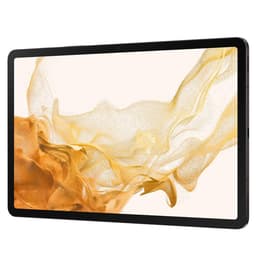
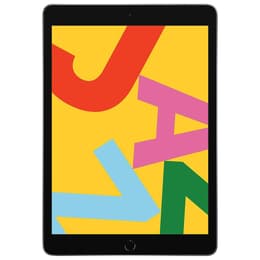
Galaxy Tab S8+ (12.4", 2022) vs iPad 7 (2019, A10 series)
- 1-year warranty
- Free standard shipping
- Free 30-day returns
Differences at a glance
The Samsung Galaxy Tab S8+ (2022) and the Apple iPad 7 (2019) represent different eras and tiers of portable tablet computing. While the Galaxy Tab S8+ is a premium large-screen device built for multitasking and media consumption, the iPad 7 serves as an entry-level tablet designed for everyday basic tasks. Choosing between these models involves weighing differing operating systems, performance capacities, and physical dimensions to suit individual daily workflows.
Available Models
Colour
Storage (GB)
Scores
Durability
When examining longevity, software support timelines and hardware resilience play crucial roles in determining how long each device remains functional for daily tasks.
- Software Support: The Galaxy Tab S8+ benefits from a longer remaining window of security patches and system updates due to its newer release year, whereas the iPad 7 approaches the latter stages of its supported software lifecycle.
- Build and Materials: Both tablets feature aluminum chassis designs that handle normal wear and tear well, though the older release date of the iPad 7 means battery degradation may be more advanced unless a replacement has been performed. Choosing a quality-assured refurbished option provides a sustainable choice that extends device longevity while minimizing electronic waste.
Release year
2022
2019
Compatible with latest Update
Yes
Yes
Operating system
Android
iPadOS
Performance
Daily responsiveness varies significantly between these two models, driven by differences in hardware generations and system memory configurations.
- Multitasking and App Loading: The Galaxy Tab S8+ handles demanding apps, split-screen multitasking, and graphic-heavy tasks with ease, while the iPad 7 manages basic browsing, streaming, and reading smoothly but stutters under heavy professional workflows.
- Storage and Memory: The Galaxy Tab S8+ offers higher baseline storage capacities and expandable options via microSD, alongside larger memory configurations that keep multiple browser tabs open without reloading.
Screen quality
Display technology differs notably between the two devices, impacting media viewing experiences and clarity in various lighting environments.
- Display Panel: The Galaxy Tab S8+ features an organic light-emitting diode screen delivering deep blacks and high contrast, whereas the iPad 7 uses a standard liquid crystal display panel with traditional brightness levels.
- Refresh Rate and Size: The Galaxy Tab S8+ includes a higher refresh rate for smoother scrolling and a larger 12.4-inch canvas, compared to the 10.2-inch standard refresh rate screen on the iPad 7.
Resolution
1752 x 2800
2160 x 1620
Screen type
Super AMOLED
Retina display
Pixel density
270ppp
264ppp
Audiovisual
Optics and audio reproduction cater to different use cases, ranging from casual video calls to media consumption.
- Camera Systems: The Galaxy Tab S8+ includes versatile rear dual-lens configurations and a wider-angle front camera suitable for video conferencing, while the iPad 7 relies on a simpler single rear camera and a basic front-facing lens.
- Audio Output: Multi-speaker setups on the Galaxy Tab S8+ provide an immersive soundstage for movies and music, whereas the iPad 7 features a simpler dual-speaker arrangement adequate for casual listening.
Miscellaneous
Physical handling, connectivity standards, and daily accessories shape how easily each tablet integrates into travel or workspace environments.
- Connectivity and Ports: The Galaxy Tab S8+ utilizes a modern reversible connector type and supports faster wireless standards, while the iPad 7 uses a proprietary connector port and older wireless protocols.
- Authentication and Handling: The Galaxy Tab S8+ integrates an under-display fingerprint sensor for quick unlocking, whereas the iPad 7 relies on a traditional bezel-mounted physical home button with fingerprint recognition.
Weight
567 oz
483 oz
Screen size (in)
12.4
10.2
Network
Wi-Fi
Wi-Fi
Carrier compatibility
Without SIM Port
Without SIM Port
What the community thinks
Real-world user feedback highlights distinct preferences for each device based on intended usage. Owners of the Galaxy Tab S8+ frequently praise its expansive, vibrant display, responsive multitasking capabilities, and the inclusion of a stylus for note-taking. At the same time, some users note its large physical footprint can feel unwieldy for casual hand-held reading. Conversely, users appreciate the iPad 7 for its straightforward operating system, reliable everyday performance for media viewing, and familiar interface, though common criticisms point to slower charging times and limitations when running intensive applications.
Users prioritizing productivity, split-screen multitasking, and an advanced media consumption screen may prefer the Galaxy Tab S8+, while users looking for a straightforward device for basic web browsing, e-reading, and streaming media will find the iPad 7 well-suited to their needs. Opting for a quality-assured refurbished option provides an eco-friendly alternative for acquiring either model without compromising on performance standards. Ultimately, selecting the right device depends on aligning hardware capabilities with specific daily tasks and software ecosystem preferences.