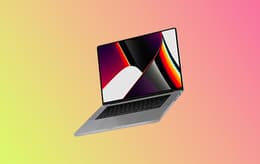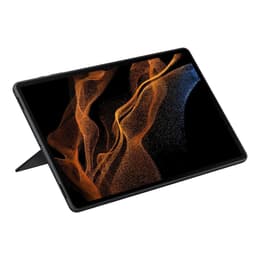

Galaxy Tab S8 Ultra (14.6", 2022) vs iPad Pro (2024, M4 series)

Galaxy Tab S8 Ultra (14.6", 2022)
Starting at

Refurbished price:A$1,027.00

Versus A$3,349.00 new

See options
iPad Pro (2024, M4 series)
Starting at

Refurbished price:A$1,359.00

Versus A$1,617.83 new

See options

The Samsung Galaxy Tab S8 Ultra, released in early 2022, and the Apple iPad Pro M4 Series, launched in mid-2024, represent high-end tablet offerings from their respective ecosystems. While both devices aim to provide powerful computing experiences, they differ significantly in their operating systems, screen sizes, and the underlying hardware driving their performance. The Galaxy Tab S8 Ultra runs on Android, offering a large display and an included stylus, whereas the iPad Pro M4 operates on iPadOS, focusing on a refined user experience with a newer, highly efficient processor.

Scores

Durability

When considering the long-term usability of these tablets, their release timelines and software support play a significant role.

  • Release Timeline and Age: The Galaxy Tab S8 Ultra was released in February 2022, making it over two years older than the iPad Pro M4 Series, which debuted in May 2024. This age difference inherently means the iPad Pro M4 will likely receive software updates for a longer period.
  • OS Support Duration: Apple typically provides extensive software support for its devices, often exceeding five years, suggesting the iPad Pro M4 will benefit from iPadOS updates well into the future. Samsung generally offers several years of Android and security updates for its flagship tablets, though often not as long as Apple's commitment.
  • Repairability: Both devices present challenges for repair due to their thin designs and use of adhesives. The iPad Pro M4 has seen some improvements in battery replacement accessibility compared to previous generations, though screen replacement remains a complex and potentially costly procedure. Information on the specific repairability score for the Tab S8 Ultra is less detailed, but large, thin tablets generally share similar repair complexities.

Release year

2022

2024

Compatible with latest Update

Yes

Yes

Operating system

Android

iPadOS

Performance

The performance capabilities of these two tablets are influenced by their respective processors and operating system optimizations.

  • Processor Capabilities: The iPad Pro M4 features a significantly newer and more advanced processor, designed for high-demand tasks and efficient power consumption. This translates to exceptionally smooth operation, rapid app loading, and robust handling of professional-grade applications and intensive multitasking. The Galaxy Tab S8 Ultra, powered by a 2022-era flagship mobile processor, delivers strong performance for everyday use, gaming, and productivity, but may not match the raw processing power or long-term performance headroom of the newer iPad Pro M4.
  • RAM and Storage: Both tablets offer various RAM and storage configurations. The iPad Pro M4 comes with 8GB of RAM for lower storage tiers and 16GB for higher storage options, providing ample memory for demanding workflows. The Galaxy Tab S8 Ultra offers configurations up to 16GB of RAM, alongside storage options that can be expanded via a microSD card, a feature not present on the iPad Pro.
  • Battery Behavior: The iPad Pro M4 is designed for efficient power usage, with Apple claiming up to 10 hours of web browsing or video playback, a claim often met or exceeded in real-world use due to the processor's efficiency. The Galaxy Tab S8 Ultra, with its large battery capacity, generally provides good battery life, with some tests indicating around 9-12 hours of video playback, though heavy usage can lead to more frequent charging.

Memory (GB)

8 GB

8 GB

Screen quality

The visual experience on both tablets is a key differentiator, primarily due to their display technologies and sizes.

  • Display Technology: The Galaxy Tab S8 Ultra features a 14.6-inch Super AMOLED display, known for its deep blacks, vibrant colors, and high contrast. The iPad Pro M4 Series introduces a new Ultra Retina XDR display, which utilizes tandem OLED technology. This advanced OLED panel offers exceptional brightness, precise color accuracy, and a high contrast ratio, setting a new standard for tablet displays.
  • Resolution and Clarity: Both tablets offer high-resolution displays, ensuring sharp text and detailed images. The Tab S8 Ultra has a resolution of 2960x1848 pixels, while the 13-inch iPad Pro M4 features a 2752x2064 pixel resolution. Both provide excellent clarity for various tasks, from reading to graphic design.
  • Brightness and Refresh Rate: Both displays support a 120Hz refresh rate, providing smooth scrolling and responsive interactions. The iPad Pro M4's Ultra Retina XDR display can achieve a peak brightness of 1600 nits for HDR content and 1000 nits for SDR content, making it highly visible in various lighting conditions. The Tab S8 Ultra's Super AMOLED display also offers good brightness, typically around 500 nits, which is sufficient for most indoor and outdoor use.
  • Screen Size: The Galaxy Tab S8 Ultra boasts a larger 14.6-inch screen, offering more screen real estate for multitasking and media consumption compared to the 13-inch iPad Pro M4.

Resolution

1848 x 2960

2420 x 1668

Screen type

Super AMOLED

Ultra Retina XDR display

Pixel density

240ppp

264ppp

Audiovisual

While tablets are not typically primary photography devices, both offer capable camera systems for video calls, document scanning, and casual photography.

  • Camera System Capabilities: The Galaxy Tab S8 Ultra features a dual-camera setup on the rear (13MP wide and 6MP ultrawide) and a dual-front camera system (12MP wide and 12MP ultrawide). The iPad Pro M4 has a single 12MP wide camera on the rear with a LiDAR scanner, and a 12MP ultrawide front-facing camera positioned for landscape use.
  • Photography Performance: The Tab S8 Ultra's cameras are noted for producing solid photos and videos, particularly its front cameras for video conferencing. The iPad Pro M4's camera system, while not its primary focus, is capable of capturing good quality images and 4K ProRes video, with the LiDAR scanner enhancing depth sensing.
  • Video Recording Quality: Both tablets support 4K video recording. The Tab S8 Ultra records at 4K@30fps. The iPad Pro M4 supports 4K video recording up to 60fps and offers ProRes video recording for professional workflows.
  • Audio Experience: The Galaxy Tab S8 Ultra includes quad stereo speakers with AKG tuning and Dolby Atmos support, providing clear and rich audio. The iPad Pro M4 also features a four-speaker sound system, delivering immersive audio for media consumption and calls. Both devices incorporate multiple microphones for clear audio capture during calls and recordings.

Miscellaneous

Beyond core performance and display, several practical elements contribute to the overall user experience of these tablets.

  • Connectivity Options: Both devices support modern wireless standards, including Wi-Fi 6E and Bluetooth 5.x, ensuring fast and reliable connections. Both also offer optional 5G connectivity for mobile data access.
  • Port Types: The Galaxy Tab S8 Ultra features a single USB-C 3.2 port for charging, data transfer, and display output. The iPad Pro M4 is equipped with a Thunderbolt / USB 4 port, offering higher bandwidth for faster data transfer, external display support up to 6K resolution, and compatibility with a wider range of high-performance accessories.
  • Stylus Inclusion: The Galaxy Tab S8 Ultra comes with the S Pen included in the box, offering a responsive writing and drawing experience. The Apple Pencil Pro, which offers advanced features, is sold separately for the iPad Pro M4.
  • Biometric Authentication: Both tablets offer secure biometric authentication. The Galaxy Tab S8 Ultra features an under-display fingerprint sensor and face recognition. The iPad Pro M4 utilizes Face ID for secure facial recognition.
  • Weight and Dimensions: The Galaxy Tab S8 Ultra is a larger and slightly heavier device, weighing 726g (Wi-Fi) and measuring 5.5mm thick, due to its expansive 14.6-inch display. The 13-inch iPad Pro M4 is notably thinner and lighter, at 5.1mm thick and weighing 579g (Wi-Fi), making it highly portable.

Weight

728 oz

444 oz

Screen size (in)

14.6

11

Network

Wi-Fi + 5G

Wi-Fi

Carrier compatibility

Unlocked

Without SIM Port

The Samsung Galaxy Tab S8 Ultra and the Apple iPad Pro M4 Series cater to distinct user preferences, each excelling in different areas. Users often praise the Galaxy Tab S8 Ultra for its expansive 14.6-inch Super AMOLED display, which provides an immersive viewing experience for media consumption and multitasking. The inclusion of the S Pen in the box is also a frequently lauded feature, offering immediate creative and productivity tools. However, some users note that the Android tablet app ecosystem, while improving, may not always offer the same level of optimization or breadth of professional applications as iPadOS.

Conversely, the iPad Pro M4 is widely acclaimed for its cutting-edge Ultra Retina XDR OLED display, offering unparalleled visual fidelity and brightness. Its powerful and efficient processor is consistently highlighted for delivering exceptional performance, making it a strong choice for demanding creative and professional workflows. Criticisms sometimes revolve around the separate purchase of essential accessories like the Apple Pencil Pro and Magic Keyboard, and the perception that iPadOS, while robust, still has limitations compared to a full desktop operating system for certain tasks.

Users prioritizing a large, vibrant display for entertainment and an included stylus for note-taking and drawing, within the Android ecosystem, may find the Galaxy Tab S8 Ultra well-suited to their needs. Those who require the absolute peak of tablet performance, a state-of-the-art display, and a highly optimized app ecosystem for creative and professional work, and are comfortable with iPadOS, may lean toward the iPad Pro M4. Both devices offer compelling experiences, and choosing between them often comes down to individual ecosystem preference and specific usage requirements. For those seeking a quality-assured refurbished option, both models can be found, offering an eco-friendly alternative to purchasing new.


See all articles

Our recent comparisons