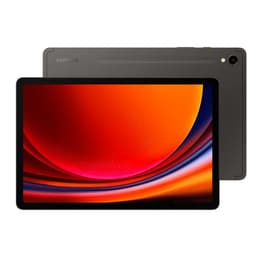
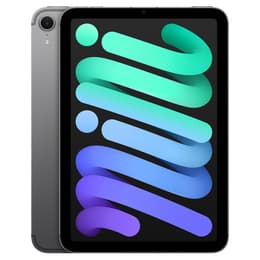

Galaxy Tab S9 (11.0", 2023) vs iPad mini 7 (2024, A17 series)

Galaxy Tab S9 (11.0", 2023)
Starting at

Refurbished price:A$869.00

Versus A$2,427.00 new

See options
iPad mini 7 (2024, A17 series)
Starting at

Refurbished price:A$1,400.00

Versus A$1,579.00 new

See options

The Samsung Galaxy Tab S9, released in August 2023, and the Apple iPad Mini 7th Generation, launched in October 2024, represent distinct approaches to the tablet experience. While the Galaxy Tab S9 offers a larger display and runs on Android, the iPad Mini 7 provides a compact form factor powered by iPadOS. These devices cater to different user preferences, primarily differing in their screen size, operating system, and overall portability.

Scores

Durability

When considering the long-term usability of a tablet, software support and physical resilience are key factors. Both devices offer robust build quality, but their operating system ecosystems approach longevity differently.

  • Software Longevity: The Galaxy Tab S9 launched with Android 13 and is eligible for four generations of OS upgrades and five years of security updates from its release date. The iPad Mini 7, running iPadOS 18, typically receives software updates for an extended period, often exceeding five years, ensuring access to new features and security patches for a considerable duration.
  • Physical Durability: The Galaxy Tab S9 features an aluminum body and is the first in its series to boast an IP68 rating for dust and water resistance, extending to its included S Pen. The iPad Mini 7 also has an aluminum chassis and glass front, maintaining a design similar to its predecessor, but an official IP rating for water and dust resistance is not specified.
  • Repairability: While specific repairability scores are not readily available for either model, both devices are constructed with premium materials. The availability of parts and service options can vary by region and manufacturer policy.

Release year

2023

2024

Compatible with latest Update

Yes

Yes

Operating system

Android

iPadOS

Performance

Performance is a critical aspect for tablets, influencing everything from app responsiveness to demanding creative tasks. Both the Galaxy Tab S9 and iPad Mini 7 are equipped with powerful internal components designed for smooth operation.

  • Processing Power: The Galaxy Tab S9 is powered by a current-generation processor, enabling it to handle demanding applications, multitasking, and graphic-intensive games with fluidity. Users report a snappy and responsive experience, whether flipping between apps or editing media. The iPad Mini 7 features a powerful chip, which significantly boosts performance over previous generations. This allows for extremely fast app loading, seamless multitasking, and the ability to run console-quality games and advanced AI features within iPadOS.
  • Multitasking Capabilities: The Galaxy Tab S9, with its available 8GB or 12GB of RAM, supports efficient multitasking, allowing users to run multiple applications simultaneously without significant slowdowns. The iPad Mini 7, equipped with 8GB of RAM, also offers robust multitasking, though its smaller screen size can make split-screen usage feel more constrained compared to larger tablets.
  • Storage Options: The Galaxy Tab S9 offers 128GB or 256GB of internal storage, with the added flexibility of expanding storage up to 1TB via a microSD card. The iPad Mini 7 starts with 128GB of storage, with options for 256GB and 512GB, but does not offer expandable storage.

Memory (GB)

12 GB

8 GB

Screen quality

The display is often the primary interface for tablet users, and both devices offer high-quality viewing experiences, albeit with different technologies and sizes.

  • Display Technology and Size: The Galaxy Tab S9 features an 11-inch Dynamic AMOLED 2X display, providing deep blacks, vibrant colors, and excellent contrast. This technology is a significant upgrade for the base model, enhancing the visual experience for movies and games. The iPad Mini 7 comes with an 8.3-inch Liquid Retina display, which is an LED-backlit IPS panel. It offers sharp visuals and accurate color reproduction, suitable for reading and media consumption in a compact form factor.
  • Resolution and Brightness: The Galaxy Tab S9 has a resolution of 2560 x 1600 pixels and can reach up to 749 nits of peak brightness, making it suitable for various lighting conditions. The iPad Mini 7 has a resolution of 2266 x 1488 pixels, resulting in a higher pixel density (326 ppi) than many larger iPads, and offers up to 500 nits of brightness.
  • Refresh Rate and Smoothness: The Galaxy Tab S9 features a dynamic refresh rate of up to 120Hz, which contributes to smoother scrolling and a more fluid user interface. The iPad Mini 7 maintains a 60Hz refresh rate, which is standard but may not offer the same level of visual smoothness as higher refresh rate displays, particularly during fast-paced content or scrolling.

Resolution

1600 x 2560

2266 x 1488

Screen type

Dynamic AMOLED 2X

Liquid Retina display

Pixel density

280ppp

326ppp

Audiovisual

While tablets are not typically primary photography devices, their cameras are important for video calls, document scanning, and casual photography. Both tablets include capable camera systems for these purposes.

  • Rear Camera System: The Galaxy Tab S9 is equipped with a 13MP main rear camera with autofocus, capable of recording 4K video at 30 frames per second. This camera is generally considered sufficient for basic photography needs and document capture. The iPad Mini 7 features a 12MP Wide rear camera with an f/1.8 aperture, supporting 4K video recording at up to 60 frames per second. It delivers sharp images with good color accuracy.
  • Front Camera for Video Calls: For video conferencing and selfies, the Galaxy Tab S9 includes a 12MP ultrawide front camera. The iPad Mini 7 has a 12MP Center Stage front camera with an f/2.4 aperture, which supports 1080p HD video recording at up to 60 frames per second and features Center Stage for keeping users in frame during video calls. The front camera on the iPad Mini 7 is positioned for portrait orientation use.
  • Audio for Media and Calls: The Galaxy Tab S9 features a quad-speaker setup tuned by AKG, providing a rich audio experience for media consumption. The iPad Mini 7 offers landscape stereo speakers, which enhance the media experience, and includes microphones for clear audio during calls and recordings.

Miscellaneous

Beyond core performance and display, several practical features contribute to the overall user experience and utility of a tablet.

  • Connectivity and Ports: Both tablets support modern wireless standards, including Wi-Fi 6E and Bluetooth 5.3, with optional 5G cellular connectivity for on-the-go internet access. The Galaxy Tab S9 uses a USB Type-C 3.2 port. The iPad Mini 7 also features a USB-C port, offering faster data transfer speeds of up to 10Gbps. Cellular models of the iPad Mini 7 utilize eSIM technology exclusively.
  • Biometric Authentication: The Galaxy Tab S9 incorporates an in-display fingerprint sensor for secure and convenient unlocking. The iPad Mini 7 uses Touch ID, integrated into the power button, for biometric authentication.
  • Design and Handling: The Galaxy Tab S9 measures 254.3 x 165.8 x 5.9 mm and weighs 498g (Wi-Fi model), offering a larger tablet experience. The iPad Mini 7 is significantly more compact and lighter, measuring 195.4 x 134.8 x 6.3 mm and weighing 293g (Wi-Fi model), making it highly portable and easy to handle with one hand. Both devices feature an aluminum build.

Weight

129 oz

293 oz

Screen size (in)

11.0

8.3

Network

Wi-Fi

Wi-Fi + 5G

Carrier compatibility

Unlocked

Unlocked

The Samsung Galaxy Tab S9 and Apple iPad Mini 7th Generation cater to different user needs, primarily distinguished by their size, operating system, and display technology. Users frequently praise the Galaxy Tab S9 for its vibrant 11-inch Dynamic AMOLED 2X display, which delivers rich colors and deep blacks, making it ideal for media consumption and creative tasks. The inclusion of the S Pen in the box is also a significant advantage for those who value stylus input for note-taking or drawing. Some users, however, note that its battery life, while good, is slightly less than its predecessor, likely due to the more power-intensive AMOLED screen.

Conversely, the iPad Mini 7 is lauded for its exceptional portability and the powerful performance delivered by its advanced chip, which allows it to handle demanding applications and games with ease. Its compact 8.3-inch Liquid Retina display is sharp and clear, making it an excellent choice for reading, casual gaming, and on-the-go productivity. Common criticisms include the 60Hz refresh rate, which some users accustomed to smoother displays might notice, and the front camera's placement for portrait use.

Users prioritizing a larger, more immersive display for entertainment and who benefit from expandable storage and an included stylus may find the Galaxy Tab S9 better suited to their needs. Its Android ecosystem offers flexibility and customization. On the other hand, users who value extreme portability, a highly optimized operating system for creative and productivity apps, and access to the Apple ecosystem, will likely lean towards the iPad Mini 7. Both devices offer a quality-assured refurbished option, providing an eco-friendly alternative for consumers looking to make a sustainable choice.


See all articles

Our recent comparisons