
Compare models
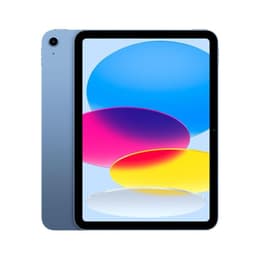
Galaxy Tab Active4 Pro (10.1", 2022) vs iPad 10 (2022, A14 series)
- 1-year warranty
- Free standard shipping
- Free 30-day returns
Differences at a glance
The Samsung Galaxy Tab Active4 Pro (2022) and the Apple iPad 10th Generation (2022) represent two distinct approaches to the standard tablet form factor, designed for different operational environments. While the Galaxy model targets rugged, field-oriented workflows with specialized durability, the iPad serves as a versatile everyday tablet running iPadOS for media consumption and general tasks. These devices differ significantly in their operating systems, physical construction, and intended user profiles, though both offer reliable performance for daily computing.
Available Models
Colour
Storage (GB)
Scores
Durability
When evaluating the longevity and maintenance of these two tablets, buyers will find distinct differences in software support timelines and physical resilience over years of use.
- Software longevity: The iPad typically receives major operating system updates over a longer window, keeping it compatible with newer applications for a more extended period.
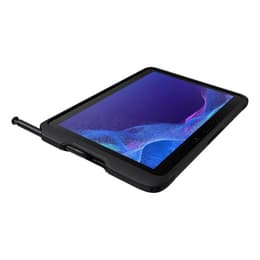
- Physical durability: The Galaxy Tab Active4 Pro features a reinforced, shock-resistant housing designed to withstand drops and harsh elements, whereas the iPad relies on a traditional aluminum and glass build.
- Repair practicality: The Galaxy model includes a removable battery design, allowing users to swap power cells easily, while the iPad requires professional service for internal component replacements.
Release year
2022
2022
Compatible with latest Update
No
Yes
Operating system
Android
iPadOS
Performance
Daily responsiveness and multitasking capabilities vary based on internal hardware choices and operating system optimization between these two platforms.
- Multitasking efficiency: Both devices handle standard web browsing, office applications, and video streaming smoothly, though the iPad benefits from optimized memory management in tablet-specific software.
- Storage configurations: Users can select from various base storage tiers, with the Galaxy model supporting expandable storage via a microSD card slot for large media libraries.
- Power management: The Galaxy Tab Active4 Pro supports a unique no-battery mode when connected directly to a power source, whereas the iPad relies on traditional lithium-ion battery cycling.
Screen quality
Display characteristics shape the visual experience for reading, media viewing, and productivity tasks across both hardware options.
- Panel technology: Both tablets utilize bright LCD screens that render sharp text and clear images, though they differ slightly in aspect ratios and pixel densities.
- Outdoor legibility: The Galaxy Tab Active4 Pro offers high brightness modes and glove-touch sensitivity for field use, while the iPad provides balanced color accuracy suitable for indoor environments.
- Viewing surface: The iPad features a slightly larger canvas with uniform bezels, whereas the Galaxy model incorporates physical navigation buttons and thicker protective borders around the display.
Resolution
1920 x 1200
2360 x 1640
Screen type
TFT LCD
Liquid Retina display
Pixel density
230ppp
264ppp
Audiovisual
Optics and audio reproduction cater to remote communication, scanning documents, and casual media playback.
- Camera capabilities: Both tablets feature rear cameras suitable for scanning documents and basic photography, alongside front-facing cameras positioned for video calls.
- Audio output: The iPad delivers balanced stereo sound from its dual-speaker setup, while the Galaxy model provides clear audio intended for noisy environments.
- Microphone performance: Integrated multi-microphone arrays on both devices reduce background noise effectively during virtual meetings and voice notes.
Miscellaneous
Physical dimensions, accessory support, and connectivity options define how these devices integrate into daily mobile workflows.
- Connectivity standards: Both models are available in Wi-Fi-only configurations as well as cellular variants supporting modern mobile data networks for connectivity on the go.
- Port interfaces: The iPad utilizes a standard reversible USB-C port for charging and data transfer, while the Galaxy model includes a proprietary pogo pin connector for desktop docking stations and rugged accessories.
- Ergonomics: The Galaxy Tab Active4 Pro is heavier due to its protective casing and comes bundled with a stylus, whereas the iPad offers a lighter, thinner profile that suits travel and casual handheld use.
Weight
675 oz
477 oz
Screen size (in)
10.1
10.9
Network
Wi-Fi
Wi-Fi + 5G
Carrier compatibility
Without SIM Port
Unlocked
What the community thinks
User discussions across community forums frequently highlight the iPad 10 for its intuitive software interface, smooth application ecosystem, and reliable battery performance during daily indoor tasks. Common praise centers on its clear display and straightforward user experience, though some users note limitations when multitasking heavy professional workloads. Conversely, discussions regarding the Galaxy Tab Active4 Pro emphasize its specialized rugged construction, physical control keys, and expandable storage capacity as major advantages for field use, though users acknowledge its heavier weight and industrial aesthetic are less optimized for casual couch viewing.
Users prioritizing a lightweight, media-friendly device with long-term software support may prefer the iPad, while field workers, travelers, or those needing physical durability will find the Galaxy Tab Active4 Pro well-suited to their needs. For those looking to make a sustainable choice, opting for a quality-assured refurbished option provides a reliable way to acquire either device while reducing electronic waste. Ultimately, the decision depends on whether environmental resilience and physical adaptability or software ecosystem simplicity matter most to the daily routine.