
Compare models
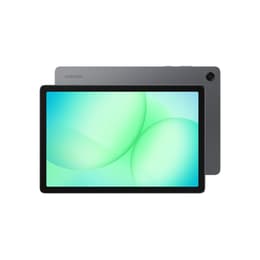
Galaxy Tab A11+ (11.0", 2025) vs iPad Pro (2024, M4 series)
- 1-year warranty
- Free standard shipping
- Free 30-day returns
Differences at a glance
The Samsung Galaxy Tab A11+ (2025) and the Apple iPad Pro 11-inch (2024) are contemporary mid-size tablets designed to serve different user expectations and daily workflows. While both feature 11-inch screen form factors, they differ fundamentally in their operating systems, processing architecture, and hardware positioning. The Galaxy Tab A11+ runs on the Android platform with Samsung's customized interface, whereas the iPad Pro operates on Apple's iPadOS.
Available Models
Colour
Storage
Scores
Durability
Both devices offer long-term software support and dependable physical durability, though their update models and repair frameworks differ to match their respective hardware classes.
- Software longevity: The Galaxy Tab A11+ benefits from an extended multi-year security and operating system update commitment, while the iPad Pro receives Apple's traditionally steady, long-term iOS updates.
- Build and materials: The iPad Pro features an ultra-slim aluminum chassis built for high-end structural rigidity, whereas the Galaxy Tab A11+ uses practical composite and metal elements designed to withstand routine daily handling.
- Repair pathways: Both manufacturers provide structured maintenance options, and users can find quality-assured refurbished models on platforms like Back Market as a sustainable alternative for extending device lifecycles.
Release year
2025
2024
Compatible with latest Update
Yes
Yes
Operating system
Android
iPadOS
Performance
System responsiveness and everyday computing power vary significantly between the two models, influencing how smoothly they handle multitasking, office applications, and intensive workloads.
- Multitasking and app handling: The iPad Pro leverages a desktop-class processor architecture that excels at running heavy creative software and multi-window workflows, while the Galaxy Tab A11+ handles everyday web browsing, media streaming, and standard productivity apps reliably.
- Memory configurations: The iPad Pro pairs high-bandwidth memory variants with extensive storage tiers, whereas the Galaxy Tab A11+ offers balanced RAM options alongside expandable storage via microSD.
- Power management: Both tablets maintain stable battery endurance through standard daily usage routines, supporting uninterrupted periods of work or entertainment away from a power outlet.
Screen quality
Visual immersion and panel technology represent distinct design philosophies, with each display tuned for specific viewing environments and content types.
- Display technology: The iPad Pro incorporates an advanced tandem OLED panel yielding deep contrast levels and high peak brightness for HDR content, while the Galaxy Tab A11+ features a bright TFT LCD screen suited for standard indoor and outdoor visibility.
- Motion smoothness: The iPad Pro utilizes adaptive high refresh rate technology for fluid scrolling and precise stylus feedback, complemented by the Galaxy Tab A11+'s smooth 90Hz refresh rate for everyday navigation.
- Panel dimensions: Both tablets center around an 11-inch footprint, balancing screen estate with portability for reading, writing, and watching videos.
Resolution
1200x1920
2420 x 1668
Pixel density
210ppp
264ppp
Audiovisual
Multimedia capture and audio output capabilities cater to different communication styles, ranging from casual snapshot needs to professional recording tools.
- Camera hardware: The iPad Pro incorporates a versatile multi-lens rear array paired with a LiDAR scanner and a landscape-oriented front sensor, whereas the Galaxy Tab A11+ relies on a straightforward single rear camera and a basic front-facing lens for video calls.
- Audio delivery: Both devices feature multi-speaker arrangements that provide clear dialogue and balanced sound reproduction for virtual meetings and media consumption.
- Recording tools: The iPad Pro supports advanced professional video codecs and spatial audio recording features, while the Galaxy Tab A11+ handles standard high-definition video capture for casual sharing.
Miscellaneous
Connectivity standards, accessory ecosystems, and physical dimensions define how easily each tablet integrates into a mobile lifestyle.
- Port architecture: The iPad Pro features a high-speed Thunderbolt-enabled connection port for fast data transfers and external displays, while the Galaxy Tab A11+ includes a standard USB-C port alongside a traditional headphone jack.
- Network flexibility: Both models offer wireless configurations supporting fast Wi-Fi standards alongside optional cellular connectivity for internet access on the move.
- Security and handling: The iPad Pro uses facial recognition technology, whereas the Galaxy Tab A11+ utilizes face recognition alongside a lightweight profile that is comfortable to hold for extended reading sessions.
Weight
477 oz
444 oz
Screen size (in)
11.0
11
Network
Wi-Fi
Wi-Fi
Carrier compatibility
Without SIM Port
Without SIM Port
What the community thinks
Community discussions and user feedback indicate that buyer satisfaction largely depends on aligning tablet capabilities with specific daily tasks. Users frequently praise the iPad Pro for its exceptional display brilliance, rapid processing power, and robust software ecosystem, though some note the high cost associated with its maximum storage tiers. Conversely, owners of the Galaxy Tab A11+ highlight its practical multitasking features, expandable storage support, and dependable battery life as major strengths for routine productivity, while pointing out that its display technology is more conventional.
Users prioritizing high-end creative performance, precision stylus work, and professional media editing will find the iPad Pro well-suited to their requirements. Meanwhile, users focusing on everyday web browsing, media streaming, document editing, and file storage flexibility may lean toward the Galaxy Tab A11+. For environmentally conscious buyers looking to minimize electronic waste, choosing a quality-assured refurbished option through Back Market offers a sustainable path to acquiring either device.