
Compare models

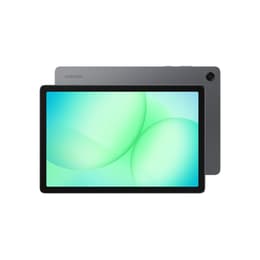
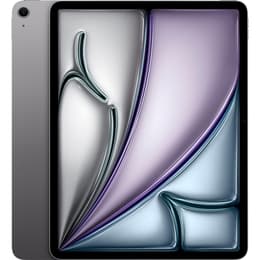
Galaxy Tab A11+ (11.0", 2025) vs iPad Air 7 (2025, M3 series)

  • 1-year warranty
  • Free standard shipping
  • Free 30-day returns
iPad Air 7 (2025, M3 series)
Starting at

Refurbished price:A$1,059.00

Versus A$1,349.00 new

See options

Differences at a glance

The Samsung Galaxy Tab A11+ (2025) and the Apple iPad Air 7 (2025) represent capable mid-to-high-tier tablets designed for distinct software ecosystems and user habits. While both feature 11-inch form factors and contemporary release years, they differ fundamentally in their operating systems, processing hardware, and targeted functionality. Choosing between them often depends on whether daily routines rely more heavily on Android flexibility or iPadOS integration.

Available Models

Colour

Storage

Scores

Durability

Both devices offer long-term usability backed by extended manufacturer support, though their update cycles and repair ecosystems differ.

  • Software Support: The Galaxy Tab A11+ benefits from an extended commitment of up to seven major Android upgrades, whereas the iPad Air 7 relies on Apple's traditional multi-year iPadOS lifecycle.
  • Build Longevity: Both tablets utilize durable outer chassis designs built to withstand daily transport, though repair access points vary between regional service providers.
  • Expected Lifespan: Both models maintain sustained performance longevity for standard tasks, web browsing, and media consumption over years of regular daily use.

Release year

2025

2025

Compatible with latest Update

Yes

Yes

Operating system

Android

iPadOS

Performance

System responsiveness and multitasking capabilities vary significantly due to contrasting internal hardware architectures and memory allocations.

  • Processing Power: The iPad Air 7 handles demanding creative applications, high-end mobile gaming, and complex multitasking smoothly through its desktop-class processor architecture, while the Galaxy Tab A11+ efficiently manages everyday productivity apps, streaming, and light web tasks.
  • Multitasking Memory: The iPad Air 7 includes a higher baseline amount of random access memory to keep background applications active, whereas the Galaxy Tab A11+ offers expandable storage via a microSD card slot for large offline media libraries.
  • Battery Behavior: Both tablets maintain enough charge for standard daily workflows, supporting full-day usage under moderate conditions before requiring a recharge.

Screen quality

Visual output and display responsiveness cater well to media consumption, reading, and daily navigation tasks.

  • Panel Technology: Both devices feature 11-inch screen sizes, with the iPad Air utilizing a high-resolution IPS LCD panel providing sharp text clarity, and the Galaxy Tab A11+ employing a bright panel equipped with a smooth 90Hz refresh rate for fluid scrolling.
  • Outdoor Usability: Adequate peak brightness levels on both screens allow for comfortable outdoor viewing under shaded or overcast conditions.
  • Viewing Experience: Color reproduction remains balanced across both models, making them well-suited for streaming videos, reviewing documents, and browsing photos.

Resolution

1200x1920

2732 x 2048

Pixel density

210ppp

264ppp

Audiovisual

Optics and audio setups serve casual photography, video conferencing, and multimedia playback adequately.

  • Camera Systems: The iPad Air 7 features higher-resolution front and rear sensors capable of detailed document scanning and crisp video calls, while the Galaxy Tab A11+ provides standard 8-megapixel rear and 5-megapixel front cameras suitable for basic snapshots and online meetings.
  • Audio Output: Both tablets incorporate multi-speaker arrays that deliver clear stereo sound for casual music listening and video playback without requiring external headphones.
  • Video Recording: Main cameras on both models support steady high-definition video capture for casual recording needs.

Miscellaneous

Physical dimensions and connectivity standards shape how each tablet integrates into mobile and home environments.

  • Connectivity: Both models offer reliable Wi-Fi standards alongside optional cellular connectivity configurations for internet access on the move.
  • Port Type: Each tablet utilizes a standard USB-C port for charging and accessories, though the iPad Air supports a wider array of proprietary physical productivity peripherals.
  • Handling and Portability: Slim profiles and lightweight builds ensure both devices fit easily into bags for travel, school, or daily commuting.

Weight

477 oz

616 oz

Screen size (in)

11.0

13

Network

Wi-Fi

Wi-Fi

Carrier compatibility

Without SIM Port

Without SIM Port

What the community thinks

User discussions across online communities highlight distinct preferences for each tablet based on workflow requirements. Owners of the Galaxy Tab A11+ frequently praise its expandable storage capacity, straightforward file management, and smooth screen refresh rate. Conversely, iPad Air 7 users often emphasize the raw processing power of the desktop-class chipset and the seamless ecosystem connectivity with other Apple devices. Common criticisms for the Android tablet occasionally point toward limitations in heavy creative software, while iPad users sometimes note the higher cost of expanded internal storage tiers.

Users prioritizing an open file system, expandable storage, and long-term Android software updates will find the Galaxy Tab A11+ well-suited to their needs. Meanwhile, users focusing on heavy creative applications, extensive accessory integration, and long-term processing headroom may lean toward the iPad Air 7. For those seeking a sustainable choice, exploring a quality-assured refurbished option provides a reliable way to acquire either model while supporting eco-friendly technology circulation.

Our recent comparisons