
Compare models
iPad 6 (2018, A10 series) vs iPad mini 4 (2015, A8 series)
- 1-year warranty
- Free standard shipping
- Free 30-day returns
Differences at a glance
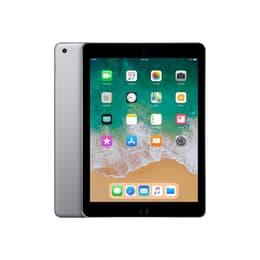
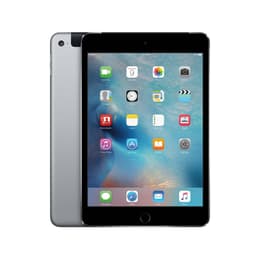
The iPad 2018 (6th generation) and the iPad Mini 2015 (4th generation) are two distinct Apple tablets, released three years apart. The iPad 2018, launched in March 2018, offers a larger display and support for the first-generation Apple Pencil, while the iPad Mini 2015, released in September 2015, provides a more compact form factor. These differences in release year and design lead to variations in their processing capabilities, software longevity, and overall user experience.
Available Models
Colour
Storage (GB)
Scores
Durability
The age difference between these two tablets significantly impacts their expected practical lifespan and software support. The iPad 2018, being newer, benefits from a longer update cycle compared to its mini counterpart.
- OS Support Duration: The iPad 2018 (6th Gen) launched with iOS 11.3 and is upgradable to iPadOS 17.2, with some sources indicating it might receive security updates for a few more years but likely not major OS updates beyond iPadOS 17. In contrast, the iPad Mini 2015 (4th Gen) launched with iOS 9 and its software support officially ended with iPadOS 15.8. This means the iPad 2018 offers a more current software experience and access to newer applications.
- Software Longevity: Users of the iPad 2018 can expect continued compatibility with a broader range of applications and services for a longer period due to its more recent operating system support. The iPad Mini 2015, while still functional for many basic tasks, may encounter limitations with newer app versions that require a more recent iPadOS.
- Repairability: Both devices received low repairability scores from iFixit, with the iPad Mini 4 scoring 2 out of 10 and the iPad 2018 also scoring 2 out of 10. This is primarily due to the extensive use of adhesive, making disassembly and component replacement challenging. However, the iPad 2018's non-laminated display can make screen repairs potentially less complex than on models with laminated displays.
Release year
2018
2015
Compatible with latest Update
No
No
Operating system
iPadOS
iPadOS
Minimum system requirements (iPadOS)
iPadOS 17
iPadOS 15
Performance
The three-year gap between these models results in a notable difference in their internal processing power, affecting how smoothly they handle various tasks and applications.
- Processor Capabilities: The iPad 2018 features a more advanced processor, which translates to smoother performance for everyday tasks, faster app loading, and more capable multitasking. The iPad Mini 2015, with its older processor, handles general browsing and media consumption adequately but may show signs of slowdown with more demanding applications or extensive multitasking.
- Multitasking and Responsiveness: The iPad 2018, equipped with 2GB of RAM, offers a more fluid multitasking experience, allowing users to switch between apps and use split-screen features with greater ease. The iPad Mini 2015 also has 2GB of RAM, which was an improvement at its release, enabling some multitasking features in iOS 9, but its older processor can limit the overall responsiveness when juggling multiple applications.
- Storage Options: Both tablets were available with various storage capacities, typically starting from 32GB for the iPad 2018 and 16GB for the iPad Mini 2015, with larger options available for both. Users should consider their storage needs, as neither device offers expandable storage.
Processor
Apple A10 Fusion
Apple A8
Screen quality
Both tablets feature Retina displays, offering sharp visuals, but their physical dimensions and display characteristics cater to different user preferences and use cases.
- Display Technology and Clarity: Both the iPad 2018 and the iPad Mini 2015 feature IPS LCD Retina displays with a resolution of 2048 x 1536 pixels. The iPad Mini 2015, with its smaller 7.9-inch screen, has a higher pixel density (326 ppi) compared to the iPad 2018's 9.7-inch screen (264 ppi), resulting in a slightly sharper image on the smaller device.
- Viewing Experience: The larger 9.7-inch display of the iPad 2018 provides a more expansive canvas for productivity, drawing, and media consumption, making it suitable for users who prefer more screen real estate. The 7.9-inch screen of the iPad Mini 2015 offers a more portable and handheld viewing experience, ideal for reading or casual browsing on the go.
- Display Features: The iPad Mini 2015 features a fully laminated display with an anti-reflective coating, which can reduce glare and improve outdoor visibility. The iPad 2018, however, has a non-laminated display, which means there is a small air gap between the glass and the LCD. While this can make screen repairs potentially less costly, it might introduce slightly more glare in certain lighting conditions.
Resolution
2048 x 1536
2048 x 1536
True Tone
No
No
Promotion
No
No
Screen type
Retina display
Retina display
Pixel density
264ppp
326ppp
Brightness
500 nits brightness
400 nits brightness
Sound quality
Speakers
Stereo speakers
Stereo speakers
Audiovisual
The camera systems on both tablets are designed for casual use, video calls, and document scanning rather than advanced photography, with similar specifications across both models.
- Camera System Capabilities: Both the iPad 2018 and the iPad Mini 2015 are equipped with an 8-megapixel rear camera capable of 1080p video recording and a 1.2-megapixel front-facing camera for FaceTime and selfies, capable of 720p video.
- Photography Performance: For everyday photography, both cameras perform adequately in good lighting conditions. They are suitable for capturing quick photos, scanning documents, and participating in video conferences. Users should not expect the advanced photographic capabilities found in more recent or dedicated camera devices.
- Audio Quality: Both devices feature dual speakers and microphones. The iPad Mini 2015's speakers were noted for being rich and full at its release, and its microphone system was repositioned for better audio recording during video. The iPad 2018 also offers stereo speakers, providing a good audio experience for media consumption.
Miscellaneous
Beyond core performance and display, several practical elements differentiate these two tablets, influencing their suitability for various users.
- Connectivity Options: Both tablets offer Wi-Fi connectivity (802.11a/b/g/n/ac with dual-band support) and Bluetooth 4.2. Cellular models were also available for both, providing mobile data access.
- Port Types and Sensors: Both devices utilize a Lightning port for charging and data transfer and retain a 3.5mm headphone jack. They also include Touch ID for secure authentication.
- Weight and Dimensions: The iPad 2018 measures 240 x 169.5 x 7.5 mm and weighs approximately 469g (Wi-Fi model), offering a standard tablet size. The iPad Mini 2015 is significantly more compact and lighter at 203.2 x 134.8 x 6.1 mm and approximately 299g (Wi-Fi model), making it highly portable and comfortable for one-handed use.
- Apple Pencil Support: A key differentiator is the iPad 2018's support for the first-generation Apple Pencil, which enhances its utility for note-taking, drawing, and creative tasks. The iPad Mini 2015 does not support the Apple Pencil.
Weight
469 oz
299 oz
Width
16.95 in
13.42 in
Height
24 in
20.32 in
Depth
0.75 in
0.61 in
Screen size (in)
9.7
7.9
Network
Wi-Fi
Wi-Fi
Carrier compatibility
Without SIM Port
Without SIM Port
Wi-Fi version
Wi-Fi 6 802.11a/b/g/n/ac
Bluetooth version
Bluetooth 4.2
Bluetooth 4.2
Face ID
No
No
Touch ID
Yes
Yes
Connector
Lightning connector
Lightning connector
What the community thinks
The iPad 2018 and iPad Mini 2015 cater to different user needs, primarily distinguished by their size, performance, and software longevity. User feedback for the iPad 2018 often praises its solid performance for its category, the addition of Apple Pencil support, and its bright display, making it a versatile option for students and general users. Some users note the non-laminated display as a minor drawback compared to more premium models, but generally find it to be a capable device.
The iPad Mini 2015 is frequently lauded for its compact size and portability, making it a preferred choice for reading, casual browsing, and travel. However, common concerns include its more limited battery life for heavy users and its older processor showing its age with demanding applications.
Users prioritizing a larger screen for productivity, drawing with the Apple Pencil, and a longer period of software updates will find the iPad 2018 well-suited to their needs. Its more capable processor also provides a smoother experience for a wider range of applications. Conversely, individuals who value extreme portability, a smaller form factor for reading, and a device that is easy to hold with one hand may lean toward the iPad Mini 2015. While its software support has concluded, it remains a functional device for less intensive tasks.
For those considering either of these models, exploring quality-assured refurbished options can provide an eco-friendly alternative to extend the life cycle of these devices.