
Compare models

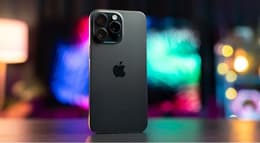
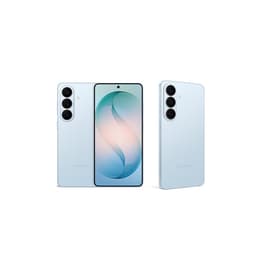
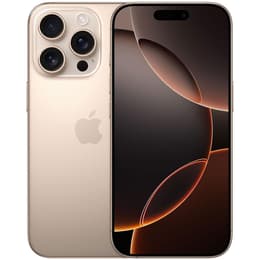
Galaxy S26 vs iPhone 16 Pro

  • 1-year warranty
  • Free standard shipping
  • Free 30-day returns
Galaxy S26
Starting at

Refurbished price:A$979.00

Versus A$1,549.00 new

See options
iPhone 16 Pro
Starting at

Refurbished price:A$1,063.20

Versus A$1,799.00 new

See options

Differences at a glance

The Samsung Galaxy S26 (2026) and the Apple iPhone 16 Pro (2024) represent high-tier choices in the smartphone market, offering polished hardware and refined software ecosystems. While both devices deliver flagship capabilities, they differ notably in operating systems, design approaches, and day-to-day user interactions. The Galaxy S26 runs on Android with Samsung's custom interface, whereas the iPhone 16 Pro operates on Apple's iOS platform, creating distinct everyday experiences for users.

Available Models

Colour

Storage (GB)

Scores

Durability

Both smartphones are built to endure years of regular daily use, though their support timelines and maintenance profiles vary due to their respective release schedules.

  • Software Support: The Galaxy S26 benefits from an extended multi-year update commitment, while the iPhone 16 Pro carries a well-established history of long-term software updates from Apple.
  • Repairability: Both manufacturers design their handsets with modular components, though professional repair availability ensures both devices maintain solid longevity.
  • Expected Lifespan: Robust build materials and high-capacity internal architectures allow both models to easily support several years of active ownership.

Release year

2026

2024

Foldable

No

No

Performance

Performance capabilities on these flagships handle demanding software smoothly, providing swift app switching and responsive multi-tasking across varied usage patterns.

  • System Responsiveness: Both devices load heavy applications instantly and manage background processes efficiently without noticeable stutter during normal workflows.
  • Storage Configurations: Multiple tier options allow buyers to select capacities matching personal media and file storage requirements.
  • Battery Behavior: Battery capacities support a full day of standard use, with optimized power management ensuring consistent endurance during web browsing and media streaming.

Screen quality

Display technology on both handsets delivers sharp text, accurate colors, and fluid motion for daily viewing and media consumption.

  • Panel Technology: Both models utilize advanced OLED technology providing deep contrast levels, rich colors, and high peak brightness for comfortable outdoor visibility.
  • Refresh Rate: Adaptive refresh rates scale smoothly up to high frequencies, ensuring fluid scrolling through web pages and documents.
  • Screen Size: Both devices feature comfortable display footprints that balance immersive viewing space with ergonomic one-handed operation.

Resolution

1080x2340

1206 x 2622

Audiovisual

Imaging hardware on these smartphones captures detailed photos and stable video across diverse lighting conditions and environments.

  • Lens Array: Multi-lens configurations combine wide, ultra-wide, and telephoto capabilities to accommodate wide landscapes and distant subjects alike.
  • Video Recording: High-resolution video capture features advanced stabilization and smooth frame rates for crisp home videos and creative projects.
  • Audio Output: Stereo speaker systems produce clear sound for phone calls, podcasts, and casual media playback without requiring external speakers.

Miscellaneous

Practical daily features shape how each device connects with accessories, networks, and physical handling preferences.

  • Connectivity: Modern 5G capabilities, fast Wi-Fi standards, and current Bluetooth versions ensure rapid data transfers and stable peripheral pairing.
  • Physical Build: Premium frame materials offer structural rigidity while maintaining comfortable weight distributions for pocket carry and handheld use.
  • Biometric Security: Responsive biometric recognition methods grant secure, immediate unlocking via facial mapping or fingerprint scanning.

Weight

167 oz

199 oz

Screen size (in)

6.3

6.3

Network

5G

5G

SIM card

Physical SIM + eSIM

eSIM

Carrier compatibility

Unlocked

Unlocked

What the community thinks

Users comparing these two flagships generally find that choice depends heavily on preferred software ecosystems and workflow habits. Those embedded in the Android environment frequently praise the Galaxy S26 for its flexible interface layout, multitasking window capabilities, and extensive customization options. Conversely, owners of the iPhone 16 Pro often highlight the seamless ecosystem integration, stable video capture tools, and streamlined user interface as primary advantages. Common discussions across user communities often weigh the openness of Android against the unified simplicity of iOS.

Users prioritizing flexible file management, custom home screen layouts, and granular device controls may prefer the Galaxy S26, while users prioritizing straightforward cross-device sharing, long-term resale stability, and streamlined video production will likely lean toward the iPhone 16 Pro. Buyers interested in a sustainable choice can explore quality-assured refurbished options for either ecosystem, reducing electronic waste while acquiring premium hardware. Ultimately, both devices offer capable performance that meets the demands of modern mobile users.