Compare models

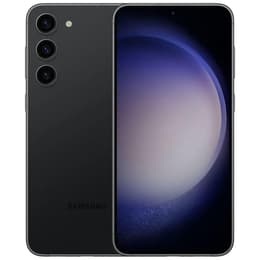
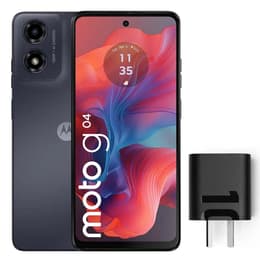
Galaxy S23+ vs Motorola Moto G04

  • 1-year warranty
  • Free standard shipping
  • Free 30-day returns
Galaxy S23+
Starting at

Refurbished price:A$439.00

Versus A$1,752.00 new

See options

Differences at a glance

The Samsung Galaxy S23+ (2023) and the Motorola Moto G04 (2024) are distinct smartphones serving very different ends of the mobile market. While both devices run on the Android operating system, they approach performance, hardware architecture, and user experience with contrasting priorities. The Galaxy S23+ positions itself as a feature-rich flagship option, whereas the Motorola Moto G04 focuses on delivering essential smartphone functionalities for everyday tasks.

Available Models

Colour

Storage

Scores

Durability

When examining longevity and durability, these two devices reflect different design standards and support lifecycles suited to their respective tiers.

  • Software support duration: The Galaxy S23+ receives multi-year operating system upgrades and security patches spanning several years, whereas the Motorola Moto G04 is supported with shorter-term security maintenance.
  • Build quality and materials: The Galaxy S23+ utilizes reinforced glass and aluminum framing with official water resistance ratings, while the Motorola Moto G04 features a polycarbonate body designed for everyday handling.
  • Expected lifespan: Flagship internal components ensure the Galaxy S23+ retains long-term capability for demanding use, whereas the Motorola Moto G04 suits users with straightforward, less intensive communication needs.

Release year

2023

2024

Compatible with latest Update

Yes

Yes

Operating system

Android

Android

Foldable

No

No

Performance

Daily operation and hardware capability vary significantly between the two models, impacting how they handle multiple applications and storage management.

  • App execution and multitasking: The Galaxy S23+ handles intensive games and heavy professional software smoothly without stutter, while the Motorola Moto G04 is optimized for basic messaging, web browsing, and light media streaming.
  • Storage capacity: The Galaxy S23+ offers expansive built-in storage configurations, whereas the Motorola Moto G04 provides modest internal storage paired with expandable card slots for media files.
  • Battery behavior: The Galaxy S23+ manages power efficiently through advanced processor architecture, while the Motorola Moto G04 relies on a large battery capacity to comfortably reach through a full day of light use.

Screen quality

Display technologies and visual output differ notably, affecting outdoor visibility, media consumption, and overall viewing comfort.

  • Panel technology: The Galaxy S23+ features a vibrant OLED display with deep contrast levels and rich colors, whereas the Motorola Moto G04 uses an LCD panel that handles standard text and web content adequately.
  • Brightness and outdoor visibility: High peak brightness capabilities on the Galaxy S23+ maintain clear screen legibility under direct sunlight, while the Motorola Moto G04 requires shaded areas for optimal viewing.
  • Refresh rate and motion: Both devices offer smooth visual transitions with rapid screen refresh rates, ensuring fluid scrolling through menus and web pages.

Resolution

1080 x 2340

720 x 1612

Screen type

Dynamic AMOLED 2X

IPS LCD

Audiovisual

Multimedia capabilities and hardware configurations vary to accommodate different photography styles and audio-visual preferences.

  • Camera versatility: The Galaxy S23+ incorporates a multi-lens array including telephoto and ultra-wide options for varied framing, while the Motorola Moto G04 features a single rear camera dedicated to casual snapshots.
  • Low-light and video performance: Advanced image processing on the Galaxy S23+ captures sharp details in dim environments and supports high-resolution video recording, whereas the Motorola Moto G04 performs best in well-lit daylight conditions.
  • Audio output: Both devices deliver clear sound for calls and media playback, though higher-end models often integrate stereo speaker setups for enhanced depth.

Main camera

50 megapixels

16 megapixels

Front camera

12 megapixels

5 megapixels

Miscellaneous

Practical everyday features, connectivity standards, and physical dimensions shape the physical handling of each smartphone.

  • Connectivity options: The Galaxy S23+ includes modern high-speed cellular data bands and advanced wireless protocols, while the Motorola Moto G04 connects via standard local networks without next-generation cellular speeds.
  • Physical ports and biometrics: The Galaxy S23+ uses a reversible charging port and secure facial recognition, whereas the Motorola Moto G04 includes a traditional headphone jack alongside convenient side-mounted fingerprint sensors.
  • Dimensions and weight: Both handsets are engineered for comfortable pocket transport, though material differences result in distinct hand-feel and balance profiles.

Weight

196 oz

179 oz

Screen size (in)

6.6

6.56

Network

5G

4G

SIM card

Physical SIM + eSIM

Dual Physical SIM

Carrier compatibility

Unlocked

Unlocked

What the community thinks

User feedback highlights distinct patterns of satisfaction for each device. Owners of the Galaxy S23+ frequently praise its responsive system performance, versatile camera array, and bright display. Conversely, users of the Motorola Moto G04 appreciate its straightforward interface, lightweight build, and reliable battery endurance for basic daily communication. Common discussions often note that while high-end models offer extensive capabilities, they also involve complex features that casual users may not require.

Users who prioritize high-end photography, demanding mobile gaming, and long-term software support will find the Galaxy S23+ well-suited to their needs. Meanwhile, users focusing on essential calling, messaging, and web browsing will find the Motorola Moto G04 aligns better with their practical requirements. For consumers seeking a sustainable choice, opting for a quality-assured refurbished option provides an eco-friendly alternative that extends device lifecycles. Selecting between these two options depends entirely on individual daily workflow demands and technical expectations.