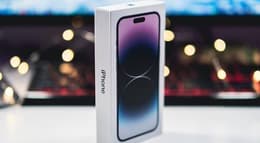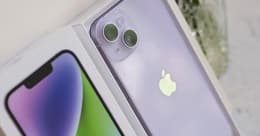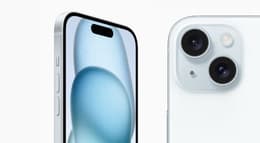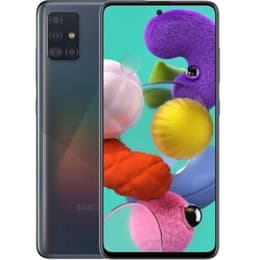
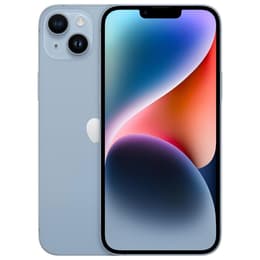

Galaxy A51 vs iPhone 14 Plus

Galaxy A51
Galaxy A51
Starting at

Refurbished price:A$196.16

Versus A$592.00 new

See options
iPhone 14 Plus
iPhone 14 Plus
Starting at

Refurbished price:A$480.00

Versus A$1,249.00 new

See options

Ratings

The Samsung Galaxy A51, released in late 2019 and early 2020, and the iPhone 14 Plus, launched in October 2022, represent distinct approaches to smartphone design and functionality. While the Galaxy A51 offers an Android experience with a focus on versatile camera options and a traditional headphone jack, the iPhone 14 Plus provides Apple's iOS ecosystem with a powerful processor, advanced camera capabilities, and enhanced safety features. These devices cater to different user preferences, primarily distinguished by their operating systems and the technological advancements introduced in their respective release years.

Scores

Durability

The longevity and support for a smartphone are crucial considerations for users. These two devices, released years apart, offer different expectations in terms of software updates and physical resilience.

  • Software Support: The Samsung Galaxy A51, launched with Android 10, was promised three generations of Android software updates and four years of security updates, extending its software life to around Android 13. In contrast, the iPhone 14 Plus, released with iOS 16, benefits from Apple's typically longer software support cycle, often receiving major iOS updates for five to six years from its release, providing a more extended period of current features and security patches.
  • Physical Durability: The Galaxy A51 features a front protected by Corning Gorilla Glass 3 and a plastic back, offering a reasonable level of everyday resilience. The iPhone 14 Plus, however, incorporates a Ceramic Shield front cover, a glass back, and an aluminum frame, designed for enhanced drop performance. It also boasts an IP68 rating for water and dust resistance, allowing submersion up to 6 meters for 30 minutes, which surpasses the A51's general splash resistance.
  • Repairability: While specific repairability scores can vary, the iPhone 14 Plus has been noted for a more repair-friendly internal design compared to some previous iPhone models, potentially simplifying component replacement. The Galaxy A51, as a mid-range device, generally offers accessible repairs for common components.

Release year

2019

2022

Compatible with latest Update

No

Yes

Operating system

Android

iOS

Foldable

No

No

Performance

Performance is a key area where the two devices showcase their generational and platform differences, impacting everything from app responsiveness to multitasking capabilities.

  • Processing Power: The Samsung Galaxy A51 is equipped with a processor designed for efficient daily tasks and moderate usage. It handles common applications and light gaming smoothly, but users might notice occasional delays with more demanding apps or intensive multitasking. The iPhone 14 Plus, on the other hand, features a more powerful processor, enabling it to manage complex applications, graphic-intensive games, and extensive multitasking with considerable ease and fluidity.
  • Multitasking and Storage: The Galaxy A51 offers various RAM configurations, typically 4GB, 6GB, or 8GB, alongside storage options up to 256GB, which is expandable via a microSD card. This allows for a decent number of apps to run concurrently and ample space for media. The iPhone 14 Plus comes with 6GB of RAM and internal storage options up to 512GB, providing robust multitasking performance and generous space for applications, photos, and videos without external expansion.
  • Overall Responsiveness: The iPhone 14 Plus generally delivers a highly responsive user experience, characterized by quick app loading times and smooth transitions, even under heavy load. The Galaxy A51 provides a capable experience for everyday use, though its performance may feel less immediate when switching between numerous applications or running resource-intensive processes.

Memory (GB)

6 GB

6 GB

Screen quality

The display is the primary interface for user interaction, and both devices offer vibrant viewing experiences with distinct characteristics.

  • Display Technology and Clarity: The Samsung Galaxy A51 features a 6.5-inch Super AMOLED display with a resolution of 1080 x 2400 pixels, resulting in sharp images and text with deep blacks and rich colors. The iPhone 14 Plus sports a slightly larger 6.7-inch Super Retina XDR OLED display, offering a higher resolution of 2778 x 1284 pixels and a pixel density of 458 ppi, which translates to exceptional clarity and detail.
  • Brightness and Color: Both displays provide vibrant colors, but the iPhone 14 Plus offers superior brightness levels, reaching up to 800 nits typical and 1200 nits peak for HDR content. This makes it particularly well-suited for outdoor visibility and HDR media consumption. The Galaxy A51's Super AMOLED panel also delivers good brightness for most indoor and outdoor conditions.
  • Refresh Rate and Viewing Experience: Both the Galaxy A51 and the iPhone 14 Plus feature a standard 60Hz refresh rate. This provides a smooth experience for general navigation and video playback. The larger screen size of the iPhone 14 Plus, combined with its higher resolution and superior brightness, offers a more expansive and immersive viewing experience for media and productivity tasks.

Resolution

1080 x 2400

1284 x 2778

Screen type

Super AMOLED

Super Retina XDR OLED

Audiovisual

The camera systems on these smartphones are designed to capture moments, but they differ in their approach to image processing and specialized features.

  • Rear Camera System: The Samsung Galaxy A51 boasts a versatile quad-camera setup, including a 48 MP main sensor, a 12 MP ultrawide lens with a 123-degree field of view, a 5 MP macro camera for close-ups, and a 5 MP depth sensor for portrait effects. It performs well in good lighting conditions, capturing detailed and colorful photos. The iPhone 14 Plus features a dual-camera system with two 12 MP sensors: a main wide-angle camera with a larger sensor and sensor-shift optical image stabilization, and an ultrawide camera with a 120-degree field of view. This setup, combined with advanced image processing, excels in capturing high-quality images across various lighting conditions.
  • Low-Light and Video Performance: The iPhone 14 Plus offers significantly improved low-light performance for both its main and front cameras, capturing brighter and more detailed images in challenging conditions. It also supports 4K Dolby Vision video recording at up to 60 frames per second, along with features like Cinematic mode for shallow depth-of-field video and Action mode for enhanced video stabilization. The Galaxy A51 can record 4K video at 30 frames per second from both its front and rear cameras and includes a night mode for photography, though its low-light video capabilities are not as advanced.
  • Front Camera: The Galaxy A51 is equipped with a 32 MP front-facing camera, capable of capturing detailed selfies. The iPhone 14 Plus features a 12 MP TrueDepth front camera with autofocus and improved low-light performance, which also powers Face ID for secure authentication.

Main camera

48 megapixels

12 megapixels

Front camera

32 megapixels

12 megapixels

Miscellaneous

Beyond core performance and display, several other features contribute to the overall user experience and daily practicality of these devices.

  • Connectivity and Ports: The Samsung Galaxy A51 supports 4G LTE networks, Wi-Fi 5, and Bluetooth 5.0. It includes a USB-C port for charging and data transfer, and notably, retains a 3.5mm headphone jack, offering traditional audio connectivity. The iPhone 14 Plus steps up to 5G connectivity, Wi-Fi 6, and Bluetooth 5.3, providing faster wireless speeds and more reliable connections. It uses Apple's proprietary Lightning port and does not include a 3.5mm headphone jack.
  • Biometrics and Safety Features: For security, the Galaxy A51 features an optical fingerprint sensor embedded under its display. The iPhone 14 Plus relies on Face ID for secure facial recognition. Additionally, the iPhone 14 Plus introduces advanced safety features like Crash Detection, which can automatically alert emergency services after a severe car crash, and Emergency SOS via satellite, allowing users to contact emergency services in areas without cellular or Wi-Fi coverage.
  • Design and Handling: The Galaxy A51 has dimensions of 158.5 x 73.6 x 7.9 mm and weighs 172g, making it a relatively lightweight and manageable device. The iPhone 14 Plus is slightly larger and heavier at 160.8 x 78.1 x 7.8 mm and 203g, offering a substantial feel in hand due to its larger screen and premium materials.

Weight

172 oz

203 oz

Screen size (in)

6.5

6,7

Network

4G

5G

SIM card

Physical SIM

Physical SIM + eSIM

Carrier compatibility

Unlocked

Unlocked

Choosing between the Samsung Galaxy A51 and the iPhone 14 Plus involves weighing different priorities, as each device excels in distinct areas based on its design philosophy and release timeline. User feedback often highlights the Galaxy A51's strengths in its vibrant Super AMOLED display and the versatility offered by its quad-camera system, particularly for daylight photography. Many users also appreciate the inclusion of a 3.5mm headphone jack and expandable storage, which are practical features for media consumption and data management. However, common criticisms point to its performance, which some users find can be sluggish with demanding applications, and its battery life, which, while decent, may require more frequent charging for heavy users.

The iPhone 14 Plus is frequently praised for its exceptional battery life, often lasting a full day or more even with intensive use, making it a strong contender for users who prioritize endurance. Its large, bright OLED display provides an immersive viewing experience, and its powerful processor ensures smooth performance across all tasks, from gaming to professional applications. The advanced camera system, with its improved low-light capabilities and video features like Cinematic and Action mode, also receives high marks. Criticisms often revolve around its standard 60Hz display refresh rate, which some users feel is a drawback compared to higher refresh rate Android competitors, and the iterative nature of some upgrades from previous iPhone models.

Users prioritizing a comprehensive and customizable Android experience with a focus on camera versatility and traditional connectivity options like a headphone jack may find the Galaxy A51 well-suited to their needs. Conversely, those who value a powerful, long-lasting device within the iOS ecosystem, with a premium build, advanced safety features, and superior camera performance, will likely lean towards the iPhone 14 Plus. Both devices are available as quality-assured refurbished options, providing an eco-friendly alternative for consumers looking to make informed and sustainable choices.

See all articles

Our recent comparisons