
Compare models

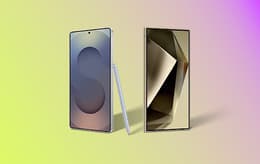
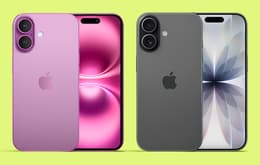
Galaxy S26 Ultra vs iPhone 16 Plus

  • 1-year warranty
  • Free standard shipping
  • Free 30-day returns
Galaxy S26 Ultra
Starting at

Refurbished price:A$1,529.00

Versus A$2,199.00 new

See options
iPhone 16 Plus
Starting at

Refurbished price:A$1,007.00

Versus A$1,599.00 new

See options

Differences at a glance

The Samsung Galaxy S26 Ultra (2026) and the Apple iPhone 16 Plus (2024) are large-format smartphones designed to deliver extensive screen space and robust daily capabilities. While they operate on different software ecosystems, namely Android and iOS, both devices cater to users seeking expansive displays and high-capacity batteries. Their primary differences lie in hardware configuration, integrated stylus support, and camera system layout.

Available Models

Colour

Storage (GB)

Scores

Durability

When evaluating structural longevity and software support, both devices provide extended timelines backed by their respective manufacturers, though their release schedules differ by over a year.

  • Software longevity: Both models receive multi-year operating system updates and security patches, ensuring sustained compatibility with modern applications over an extended practical lifespan.
  • Repairability and build: Both units incorporate durable glass and metal structures with high resistance ratings against dust and water ingress, supported by established service networks.
  • Battery degradation: Both devices manage long-term power cell wear effectively through smart charging software, helping maintain dependable daily usage across multiple years.

Release year

2026

2024

Foldable

No

No

Performance

Performance across everyday tasks, intensive applications, and multitasking differs slightly due to varying RAM allocations and processor architectures.

  • Multitasking capacity: Generous memory configurations on both models allow seamless switching between demanding productivity apps, browser tabs, and background processes without stutter.
  • System responsiveness: High-tier processing hardware ensures rapid app loading times, smooth fluid animations, and reliable handling of resource-heavy mobile games.
  • Power efficiency: Both chipsets optimize energy consumption dynamically, ensuring that the battery sustains full-day operation even under heavy workloads.

Screen quality

Display technology on both smartphones emphasizes visual clarity, vibrant color accuracy, and high brightness for diverse lighting conditions.

  • Display panels: Both models utilize advanced OLED screen technology, delivering deep black levels and high contrast ratios for immersive media viewing.
  • Outdoor visibility: High peak brightness capabilities ensure that text and images remain easily legible when used under direct sunlight.
  • Refresh rate smoothness: Fast refresh rates enable fluid scrolling through web pages and documents, while screen dimensions provide ample canvas space for productivity and entertainment.

Resolution

1440x3120

1290 x 2796

Audiovisual

The imaging and audio recording suites on these devices offer distinct approaches to everyday photography, video capture, and media playback.

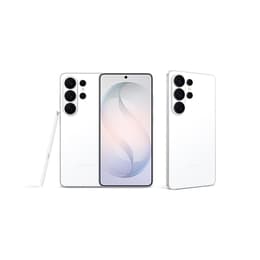
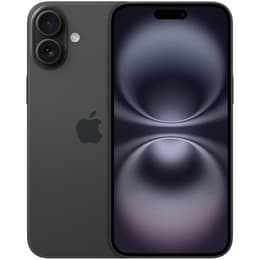
  • Optical versatility: The Galaxy S26 Ultra features a multi-lens array including specialized telephoto reach for distant subjects, whereas the iPhone 16 Plus focuses on a dual-camera setup with streamlined controls for quick framing.
  • Video and low-light output: Both devices capture detailed video footage with robust stabilization and manage challenging lighting conditions effectively to preserve clarity.
  • Audio reproduction: Built-in stereo speaker systems deliver balanced sound output for hands-free calls, media streaming, and casual video viewing.

Miscellaneous

Practical daily usability elements, physical dimensions, and connectivity options shape how each device fits into routine handling.

  • Connectivity standards: Both smartphones support modern fifth-generation cellular networks, rapid Wi-Fi standards, and accurate satellite positioning systems.
  • Physical handling: The iPhone 16 Plus features a lighter build, while the Galaxy S26 Ultra offers a slightly broader form factor to accommodate its integrated stylus silo.
  • Biometric security: Devices utilize secure facial recognition or under-display fingerprint sensors to facilitate quick device unlocking and authentication.

Weight

214 oz

199 oz

Screen size (in)

6.9

6.7

Network

5G

5G

SIM card

Physical SIM + eSIM

Physical SIM + eSIM

Carrier compatibility

Unlocked

Unlocked

What the community thinks

User discussions across community platforms often highlight the Galaxy S26 Ultra for its comprehensive multi-lens camera versatility and integrated stylus functionality, making it a frequent choice for note-taking and detailed creative work. Conversely, the iPhone 16 Plus receives regular praise for its straightforward interface, balanced ergonomics, and reliable battery endurance within the iOS ecosystem. Frequent criticisms for the Samsung model occasionally point toward its larger physical footprint in smaller pockets, while the Apple device sees minor notes regarding its reliance on a dual-camera setup rather than dedicated optical zoom.

Users prioritizing advanced telephoto photography and precise stylus input may prefer the Galaxy S26 Ultra, while users seeking a streamlined operating system experience on a large screen often lean toward the iPhone 16 Plus. For consumers exploring sustainable technology choices, opting for a quality-assured refurbished option through platforms like Back Market provides an eco-friendly alternative that extends device lifecycles without compromising on modern reliability.