Compare models

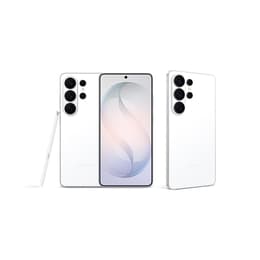
Galaxy S26 Ultra vs Google Pixel 9a

  • 1-year warranty
  • Free standard shipping
  • Free 30-day returns
Galaxy S26 Ultra
Starting at

Refurbished price:A$1,559.00

Versus A$2,199.00 new

See options
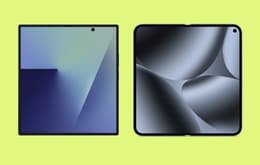
Google Pixel 9a
Starting at

Refurbished price:A$586.44

Versus A$719.76 new

See options

Differences at a glance

The Samsung Galaxy S26 Ultra (2026) and Google Pixel 9a (2025) represent two distinct approaches to modern smartphone engineering. While the Galaxy S26 Ultra functions as a feature-rich, high-capacity flagship device designed for maximum versatility, the Google Pixel 9a focuses on streamlined everyday utility and simplified software integration. These two models differ primarily in their physical scale, hardware ecosystem, and intended user workflows, while both operate on the Android operating system with customized manufacturer interfaces.

Available Models

Colour

Storage

Scores

Durability

When examining long-term viability and software support timelines, both devices offer robust structures designed to remain functional for years, though their update windows and repair frameworks differ slightly.

  • Software support windows: Both manufacturers provide extended multi-year security and operating system updates, ensuring both models stay current with software standards for a prolonged lifecycle.
  • Build resilience and repairability: The Galaxy S26 Ultra utilizes reinforced titanium framing and durable glass protection, whereas the Pixel 9a employs an alternative composite structure. Both models offer structured repair paths through certified service networks to extend practical lifespan.

Release year

2026

2025

Operating system

Android

Android

Foldable

No

No

Performance

Daily operation and hardware capability vary significantly based on how each device manages intensive tasks, multitasking, and battery endurance during standard use.

  • Multitasking and app handling: The Galaxy S26 Ultra manages demanding applications, complex photo editing tools, and heavy gaming smoothly with substantial memory allocation. The Pixel 9a handles everyday tasks, web browsing, and standard streaming efficiently with balanced processing power.
  • Battery behavior: The Galaxy S26 Ultra includes a larger physical battery capacity suited for extended heavy use, while the Pixel 9a optimizes power consumption to comfortably navigate a full day of standard tasks before requiring a recharge.

Screen quality

Visual output and display engineering differ notably in physical dimensions, maximum brightness thresholds, and panel technology between the two models.

  • Display panels and clarity: The Galaxy S26 Ultra features a large, high-resolution organic light-emitting display with deep contrast and adaptive refresh rates for fluid motion. The Pixel 9a utilizes a slightly smaller panel that delivers sharp text and natural color reproduction for daily media consumption.
  • Outdoor visibility: Both screens incorporate high peak brightness levels to maintain legibility under direct sunlight, making outdoor navigation and reading straightforward.

Resolution

1440x3120

1080x2424

Audiovisual

Imaging hardware and media recording capabilities cater to different photography styles, ranging from expansive multi-lens versatility to streamlined point-and-shoot simplicity.

  • Lens versatility and low light: The Galaxy S26 Ultra incorporates a multi-lens array including specialized telephoto options for distant subjects alongside strong low-light processing. The Pixel 9a relies on optimized dual-lens software processing to capture clear everyday photos and balanced portraits without manual adjustments.
  • Video and audio recording: Both smartphones support high-definition video capture with built-in stabilization, while their internal microphone arrays isolate speech clearly during calls and voice memos. Media playback through built-in stereo speakers offers adequate volume for casual viewing.

Miscellaneous

Practical daily elements such as connectivity standards, physical dimensions, and biometric security shape the handling experience of each smartphone.

  • Physical dimensions and handling: The Galaxy S26 Ultra is a larger, heavier device that accommodates an integrated stylus, whereas the Pixel 9a presents a lighter, more compact profile that rests easily in smaller hands or pockets.
  • Connectivity and sensors: Both models support modern fifth-generation cellular networks, fast wireless standards, and secure biometric authentication through facial recognition or in-display fingerprint sensors.

Weight

214 oz

186 oz

Screen size (in)

6.9

6.3

Network

5G

5G

SIM card

Physical SIM + eSIM

Physical SIM + eSIM

Carrier compatibility

Unlocked

Unlocked

What the community thinks

User feedback from online communities highlights distinct preferences for each device based on everyday requirements. Owners of the Galaxy S26 Ultra frequently praise its expansive display, versatile multi-lens camera system, and extensive productivity features, though some note its larger physical footprint can feel heavy during prolonged one-handed use. Conversely, users of the Pixel 9a often commend its clean software interface, reliable everyday battery life, and comfortable, lightweight form factor, while observing that it lacks dedicated telephoto hardware for distant zoom photography.

Users prioritizing maximum screen space, advanced photographic zoom capabilities, and extensive productivity tools will find the Galaxy S26 Ultra well-suited to their workflow. Meanwhile, users prioritizing a lighter physical build, straightforward software, and balanced everyday utility may lean toward the Pixel 9a. For those looking to make a sustainable choice, opting for a quality-assured refurbished option through platforms like Back Market provides an eco-friendly alternative that extends the lifecycle of these electronics without compromising on performance. Ultimately, the choice depends entirely on individual handling preferences and daily usage priorities.