iPhone
Compare models
Differences at a glance
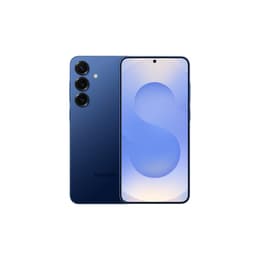
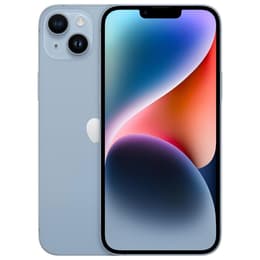
The Samsung Galaxy S25 Plus, released in early 2025, and the Apple iPhone 14 Plus, launched in late 2022, represent two distinct approaches to the large-screen smartphone experience. While both devices offer expansive displays and robust performance, they differ significantly in their operating systems, hardware generations, and feature sets. This comparison aims to highlight the practical distinctions between these two models, helping users understand which device might better suit their daily needs and preferences.
Colour
Storage
When considering the long-term usability of a smartphone, factors like release timeline, software support, and physical durability are key. The Galaxy S25 Plus, being a more recent release, benefits from a longer expected software support window compared to the iPhone 14 Plus.
Release year
Operating system
Foldable
Performance is a critical aspect for users who engage in demanding applications, multitasking, or mobile gaming. The difference in release dates between these two phones translates to a notable gap in their processing capabilities.
The display is the primary interface for smartphone interaction, and both the Galaxy S25 Plus and iPhone 14 Plus offer large, high-quality viewing experiences with some key differences.
Resolution
For many users, the camera system is a primary consideration. Both the Galaxy S25 Plus and iPhone 14 Plus are capable of capturing high-quality photos and videos, though they approach imaging with different hardware and software philosophies.
Beyond core performance and display, several other features contribute to the overall user experience and practical utility of a smartphone.
Weight
Screen size (in)
Network
SIM card
Carrier compatibility
The choice between the Samsung Galaxy S25 Plus and the iPhone 14 Plus largely depends on individual priorities and ecosystem preferences. Users frequently praise the Galaxy S25 Plus for its cutting-edge performance, vibrant high-resolution display with a high refresh rate, and its versatile camera system, particularly its telephoto capabilities. [15, 18, 22] Its extended software support policy is also a significant advantage for those seeking long-term device longevity. Some users, however, might note that while the design is refined, it represents an evolution rather than a revolution from previous models. [15]
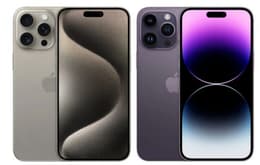
The iPhone 14 Plus is often lauded for its exceptional battery life, consistent performance for everyday tasks, and the reliability of its iOS ecosystem. [12, 24, 25] Its camera system, particularly its low-light performance and video capabilities like Action mode, receives positive feedback. [21, 23] Criticisms sometimes point to its 60Hz display refresh rate, which is lower than many contemporary Android flagships, and the use of an older generation processor compared to its Pro counterparts or newer Android devices. [24]
Users prioritizing the latest in display technology, a highly adaptable camera system with optical zoom, and a longer software support window may find the Galaxy S25 Plus more aligned with their needs. Conversely, those who value a familiar and highly optimized operating system, robust battery endurance, and strong video recording features might lean towards the iPhone 14 Plus. Both devices offer a quality-assured refurbished option, providing an eco-friendly alternative for consumers looking to make an informed and sustainable choice.