
Galaxy S25 vs iPhone 16 Pro Max

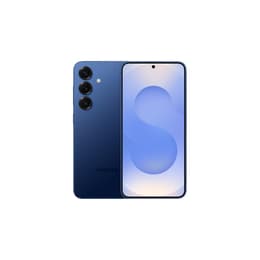
Galaxy S25
Galaxy S25
Starting at

Refurbished price:A$852.00

Versus A$1,399.00 new

See options
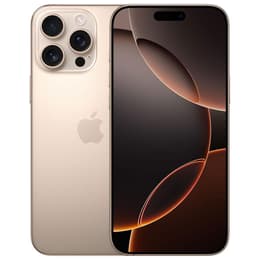
iPhone 16 Pro Max
iPhone 16 Pro Max
Starting at

Refurbished price:A$1,325.00

Versus A$2,149.00 new

See options

Ratings

The Samsung Galaxy S25, released in February 2025, and the iPhone 16 Pro Max, launched in September 2024, represent flagship smartphones from their respective manufacturers. While both devices offer high-end mobile experiences, they cater to different user preferences through their distinct operating systems and hardware philosophies. Key differentiators include their display sizes, camera capabilities, and software ecosystems.

Scores

Durability

When considering the longevity of these devices, both the Galaxy S25 and the iPhone 16 Pro Max offer substantial software support and robust build quality, though with some differences in materials and update policies.

  • Software Support: The Galaxy S25 is designed to receive seven years of operating system upgrades and security updates, extending its software lifespan significantly, potentially up to Android 22. The iPhone 16 Pro Max is also expected to receive approximately seven years of iOS updates, ensuring long-term access to new features and security patches.
  • Build Materials: The Galaxy S25 features an aluminum frame and is protected by Gorilla Glass, offering a high level of resistance to everyday wear and tear. The iPhone 16 Pro Max utilizes a titanium frame, which contributes to its strength and lighter weight, paired with a Ceramic Shield front cover for enhanced display protection.
  • Durability Ratings: Both smartphones carry an IP68 rating, indicating strong resistance to dust and water immersion, capable of withstanding submersion in fresh water for a specified duration. User experiences suggest that while both are durable, glass components remain susceptible to damage from significant impacts.

Release year

2025

2024

Foldable

No

No

Performance

Both devices are equipped with advanced internal components designed for smooth operation, but their approaches to processing power and memory management differ.

  • Processing Power: The Galaxy S25 is powered by a current-generation processor, optimized for demanding applications and efficient multitasking, particularly with its integrated AI features. The iPhone 16 Pro Max features a powerful A-series chip, engineered for high performance in gaming, video editing, and complex computational tasks, with an enhanced Neural Engine for advanced machine learning.
  • Multitasking and Storage: The Galaxy S25 comes with 12GB of RAM, facilitating fluid transitions between numerous open applications and intensive background processes. The iPhone 16 Pro Max includes 8GB of RAM, which, combined with its optimized operating system, provides a responsive user experience for multitasking. Both offer various storage options, typically starting from 256GB and extending up to 1TB, with the iPhone 16 Pro Max potentially offering a 2TB option.
  • Battery Behavior: The Galaxy S25 is equipped with a 4000mAh battery, supporting 25W wired charging and wireless charging, providing a full day of typical use. The iPhone 16 Pro Max features a 4676 mAh battery and offers faster 40W wired charging and 25W MagSafe wireless charging, with Apple claiming it delivers the best battery life ever on an iPhone.

Memory (GB)

12 GB

8 GB

Screen quality

The visual experience on both smartphones is a highlight, with each offering vibrant displays tailored for different preferences in size and visual characteristics.

  • Display Technology and Size: The Galaxy S25 features a 6.2-inch Dynamic AMOLED 2X display, providing rich colors and deep blacks. The iPhone 16 Pro Max boasts a larger 6.9-inch Super Retina XDR OLED display, offering an expansive viewing area.
  • Resolution and Clarity: The Galaxy S25 offers a Full HD+ resolution of 2340 x 1080 pixels, resulting in sharp images and text with approximately 416 pixels per inch. The iPhone 16 Pro Max provides a higher resolution of 2868 x 1320 pixels, maintaining excellent clarity with around 460 pixels per inch across its larger screen.
  • Brightness and Refresh Rate: Both devices feature adaptive refresh rates up to 120Hz, ensuring smooth scrolling and responsive interactions. The Galaxy S25 can reach a peak brightness of 2600 nits, suitable for outdoor visibility. The iPhone 16 Pro Max offers a typical maximum brightness of 1000 nits, with peak HDR brightness of 1600 nits and up to 2000 nits for outdoor use.

Resolution

1080x2340

1320 x 2868

Audiovisual

Both the Galaxy S25 and iPhone 16 Pro Max are equipped with sophisticated camera systems, each excelling in different aspects of photography and videography.

  • Rear Camera Systems: The Galaxy S25 includes a versatile triple-camera setup with a 50MP main sensor, a 12MP ultrawide lens, and a 10MP telephoto lens offering 3x optical zoom. The iPhone 16 Pro Max features a triple-camera system with a 48MP main sensor, a new 48MP ultrawide camera, and a 12MP telephoto lens capable of 5x optical zoom via a tetraprism design.
  • Photography Performance: The Galaxy S25's camera system is known for producing vibrant and detailed images, with strong low-light performance and advanced computational photography features. The iPhone 16 Pro Max offers enhanced detail and improved low-light capabilities, particularly with its new ultrawide sensor, and is praised for its accurate color rendering and dynamic range.
  • Video Capabilities: The Galaxy S25 supports video recording up to 8K at 30fps and 4K at 60fps. The iPhone 16 Pro Max can record 4K video at up to 120fps with its main camera, and features like Dolby Vision HDR and Cinematic Mode provide advanced video creation tools. Both devices offer robust stabilization for smooth video capture.

Miscellaneous

Beyond core features, several practical elements differentiate the user experience and functionality of these two flagship smartphones.

  • Connectivity and Ports: Both devices support 5G connectivity, Wi-Fi 7, and Bluetooth 5.3, ensuring fast and reliable wireless communication. The Galaxy S25 features a USB-C port for charging and data transfer. The iPhone 16 Pro Max also utilizes a USB-C port.
  • Biometric Security: The Galaxy S25 typically employs an in-display fingerprint sensor for secure unlocking and authentication, alongside face recognition. The iPhone 16 Pro Max relies on Face ID for secure facial recognition.
  • Design and Handling: The Galaxy S25 has dimensions of 146.9 x 70.5 x 7.2mm and weighs 162g, offering a compact and manageable form factor. The larger iPhone 16 Pro Max measures 160.9 mm tall, 77.6 mm wide, and 8.25 mm thick, weighing 221g, which might appeal to users preferring a larger screen experience. The iPhone 16 Pro Max also introduces a new Camera Control button for quick access to camera functions.

Weight

162 oz

227 oz

Screen size (in)

6.2

6.9

Network

5G

5G

SIM card

Physical SIM + eSIM

Physical SIM + eSIM

Carrier compatibility

Unlocked

Unlocked

The Samsung Galaxy S25 and iPhone 16 Pro Max each offer a compelling package for users seeking a premium smartphone experience, though they cater to slightly different priorities. Users often praise the Galaxy S series for its vibrant display, extensive customization options through Android and One UI, and its versatile camera system that delivers consistent results across various scenarios. Common criticisms sometimes point to the software experience feeling less streamlined compared to iOS for some users, or the sheer number of features potentially overwhelming.

Conversely, the iPhone 16 Pro Max is frequently lauded for its powerful performance, the intuitive and integrated iOS ecosystem, and its advanced camera capabilities, particularly in video recording and computational photography. Users appreciate the consistent software updates and the robust build quality of the Pro Max line. Some common feedback includes a desire for more open customization options and the larger size potentially being less comfortable for one-handed use.

Users prioritizing a highly customizable Android experience with a strong focus on AI features and a slightly more compact design may find the Galaxy S25 well-suited to their needs. Its long software support also makes it a practical choice for extended use. On the other hand, users who value a large, immersive display, a powerful and integrated software ecosystem, and advanced video recording capabilities will likely lean towards the iPhone 16 Pro Max. Both devices represent excellent choices, and considering a quality-assured refurbished option for either model can be a sustainable way to acquire these advanced technologies.

See all articles

Our recent comparisons