Compare models
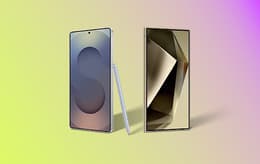
Galaxy S25 vs Galaxy S25 Edge
- 1-year warranty
- Free standard shipping
- Free 30-day returns
Differences at a glance
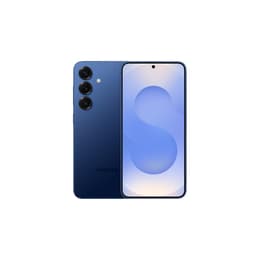
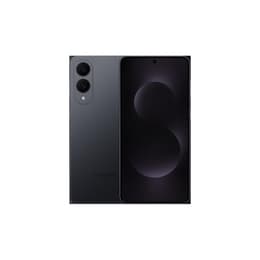
The Samsung Galaxy S25 (2025) and Samsung Galaxy S25 Edge (2025) represent two distinct form-factor approaches within Samsung's flagship smartphone lineup. While both devices run on the Android operating system paired with One UI and share identical core computing hardware, the standard Galaxy S25 prioritizes a compact and versatile footprint, whereas the Galaxy S25 Edge focuses on an ultra-slim profile and a larger display area.
Available Models
Colour
Storage
Scores
Durability
Both smartphones launched in 2025 and are backed by Samsung's long-term software commitment, receiving up to seven years of major operating system upgrades and security patches. Hardware longevity is well-supported by robust IP68 water and dust resistance ratings across both models, though their physical builds differ in thickness and materials.
- Software Support: Identical update lifecycles ensure both models remain secure and current through the early 2030s.
- Build Integrity: Both feature high-grade protective glass and metal framing, with the Edge utilizing a particularly thin frame that requires careful handling during heavy daily use.
- Repairability: Standardized internal layouts follow typical flagship repair guidelines, ensuring accessible component replacement via professional service channels.
Release year
2025
2025
Operating system
Android
Android
Foldable
No
No
Performance
Powered by the same high-end processor and standard 12GB RAM configuration, both devices handle resource-intensive tasks, multitasking, and demanding mobile games with smooth system responsiveness and efficient thermal management.
- Storage Configurations: Both models offer ample internal storage capacities starting at generous baselines, though neither includes expandable card slots.
- Energy Management: The standard model balances its compact screen with a similarly proportioned battery, whereas the Edge accommodates a slightly smaller battery capacity within its ultra-thin chassis, resulting in minor differences in daily endurance under intensive usage.
Screen quality
The viewing experience highlights the primary physical divergence between the two phones, contrasting a pocket-friendly display size with a more expansive panel layout.
- Display Technology: Both utilize vibrant Dynamic AMOLED panels featuring high refresh rates up to 120 hertz for fluid scrolling and motion clarity.
- Brightness and Clarity: High peak brightness levels ensure outdoor visibility under direct sunlight, paired with sharp Quad HD+ resolution on the Edge and crisp resolution on the standard model.
- Physical Dimensions: The Galaxy S25 provides a compact 6.2-inch screen suited for one-handed operation, while the Galaxy S25 Edge steps up to a larger 6.7-inch viewing area for media consumption.
Resolution
1080x2340
1440x3120
Audiovisual
Photography capabilities differ significantly in versatility, as the chassis constraints of an ultra-slim design lead to distinct hardware arrangements on the rear panel.
- Sensor Setup: The standard model features a flexible triple-lens configuration including a dedicated telephoto lens for optical zoom, while the Edge utilizes a streamlined dual-lens system centered around a high-resolution main sensor without a dedicated optical zoom lens.
- Everyday Photography: Both capture sharp, color-balanced images in daylight, though users requiring distant zoom clarity will find the standard model's telephoto capability more adaptable.
- Video and Audio: High-resolution video recording, steady stabilization features, and clear microphone pickup perform reliably across both units during calls and media recording.
Miscellaneous
Practical daily features remain closely aligned across the series, offering modern connectivity standards and biometric security options.
- Connectivity: Both support full 5G networking, fast Wi-Fi standards, Bluetooth formatting, and near-field communication for contactless payments.
- Security and Biometrics: Fast in-screen fingerprint scanners and facial recognition secure both devices against unauthorized access.
- Handling and Weight: The standard model measures 7.2 mm in thickness and weighs 162 grams, whereas the Galaxy S25 Edge achieves a slender 5.8 mm thickness while maintaining a remarkably light 163-gram weight despite its larger surface area.
Weight
162 oz
163 oz
Screen size (in)
6.2
6.7
Network
5G
5G
SIM card
Physical SIM + eSIM
Physical SIM + eSIM
Carrier compatibility
Unlocked
Unlocked
What the community thinks
User community discussions frequently praise the Galaxy S25 for packing comprehensive flagship performance and a versatile multi-lens camera into a comfortable, pocketable size. At the same time, commentators highlight its compact battery limits as a consideration for heavy users. Conversely, community feedback surrounding the Galaxy S25 Edge centers heavily on admiration for its remarkably thin profile and expansive display, though frequent observations note the absence of a telephoto lens and a shorter battery runtime compared to bulkier alternatives.
Users prioritizing one-handed usability and versatile zoom photography will find the standard Galaxy S25 well-suited to their daily routine, while users prioritizing a lightweight, ultra-slim form factor and a large viewing canvas may lean toward the Galaxy S25 Edge. For those exploring a quality-assured refurbished option, Back Market provides these devices as sustainable choices that combine current-generation technology with eco-friendly purchasing alternatives. Ultimately, selecting between the two depends on whether compact handling or sleek profile design aligns best with individual usage habits.