
Compare models
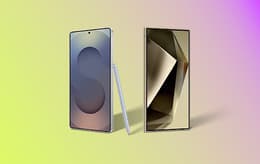
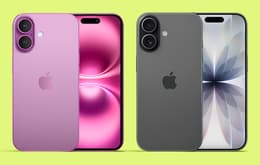
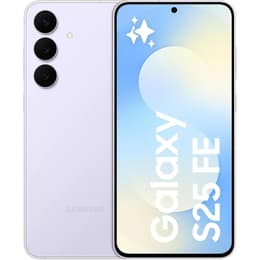
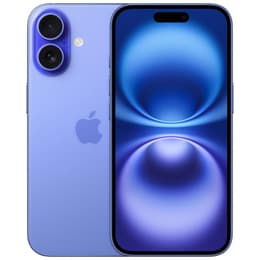
Galaxy S25 FE vs iPhone 16
- 1-year warranty
- Free standard shipping
- Free 30-day returns
Differences at a glance
The Samsung Galaxy S25 FE (2025) and the Apple iPhone 16 (2024) are contemporary smartphones that serve distinct segments of the mobile market. While both devices deliver robust everyday performance and modern feature sets, they operate on different operating systems and target users with varying preferences for display size and ecosystem integration.
Choosing between these two models typically comes down to platform preference, physical dimensions, and how each device handles multimedia consumption and daily multitasking.
Available Models
Colour
Storage (GB)
Scores
Durability
Both handsets are engineered to maintain software stability and structural resilience over multiple years of typical daily use.
- Software longevity: The iPhone 16 runs on Apple's iOS platform with a multi-year update track, whereas the Galaxy S25 FE operates on Android with an extensive manufacturer commitment to regular security and system updates.
- Build durability: Both models utilize strengthened glass panels and sturdy aluminum frames paired with official water and dust resistance ratings for protection against accidental exposure to the elements.
- Repair ecosystem: Both manufacturers provide structured repair pathways and diagnostic support, ensuring that parts replacement remains viable throughout the expected lifespan of each device.
Release year
2025
2024
Foldable
No
No
Performance
System responsiveness and power management vary due to distinct hardware architectures and battery capacities.
- Multitasking capacity: Both smartphones handle demanding applications, heavy web browsing, and mobile gaming smoothly, aided by modern internal memory configurations and optimized processors.
- Battery endurance: The Galaxy S25 FE features a larger 4900 mAh battery designed to support extended daily usage, while the iPhone 16 relies on software efficiency to sustain a full day of standard tasks on a smaller cell.
- Storage tiers: Both devices offer multiple internal storage configurations to accommodate user libraries, though neither model supports expandable storage via memory cards.
Screen quality
Visual output differs primarily in physical dimensions and panel technology preferences between the two brands.
- Display technology: The Galaxy S25 FE utilizes a 6.7-inch AMOLED panel, while the iPhone 16 features a more compact 6.1-inch Super Retina XDR display, both delivering sharp details and deep contrast levels.
- Refresh smoothness: The Galaxy S25 FE supports a 120Hz refresh rate for fluid scrolling, whereas the iPhone 16 maintains a standard refresh rate profile across its base configuration.
- Outdoor legibility: Both screens feature high peak brightness capabilities, ensuring content remains visible under direct sunlight during outdoor navigation or reading.
Resolution
1080x2340
1179 x 2556
Audiovisual
Imaging hardware and audio reproduction cater to everyday content creation and media consumption.
- Camera versatility: The Galaxy S25 FE employs a triple-lens rear array including a dedicated telephoto option, whereas the iPhone 16 utilizes a dual-lens rear configuration focused on computational photography and wide-angle clarity.
- Video recording: Both smartphones capture stabilized, high-resolution video with clear audio input from built-in microphone arrays suited for calls and casual recording.
- Media audio: Stereo speaker setups on both devices deliver balanced sound output for hands-free calls, podcasts, and video streaming without external accessories.
Miscellaneous
Physical dimensions and connectivity standards define the ergonomic and networking experience of each device.
- Handling and weight: The iPhone 16 offers a smaller, lighter form factor suited for single-handed use, while the Galaxy S25 FE provides a larger workspace for media enthusiasts.
- Connectivity standards: Both models support modern 5G networks, fast Wi-Fi standards, and Bluetooth connections for accessories.
- Port architecture: Both devices utilize the universal USB Type-C standard for wired charging and data transfer.
Weight
190 oz
170 oz
Screen size (in)
6.7
6.1
Network
5G
5G
SIM card
Physical SIM + eSIM
Physical SIM + eSIM
Carrier compatibility
Unlocked
Unlocked
What the community thinks
User feedback highlights distinct preferences for each device across community forums. Owners of the Galaxy S25 FE frequently praise its expansive screen size, smooth refresh rate, and reliable daily battery endurance. Conversely, iPhone 16 users often emphasize the comfortable ergonomics of its smaller footprint, seamless ecosystem synchronization, and dependable camera software consistency. Common discussions note that the choice frequently hinges on whether a user prefers the customizability of Android or the streamlined interface of iOS.
Users prioritizing a larger viewing workspace and high refresh rates may prefer the Galaxy S25 FE, while users prioritizing compact handling and specific operating system ecosystems will lean toward the iPhone 16. For those exploring sustainable purchasing routes, choosing a quality-assured refurbished option [INDEX] provides an eco-friendly alternative [INDEX] that aligns with environmental goals without compromising on functionality.