
Compare models
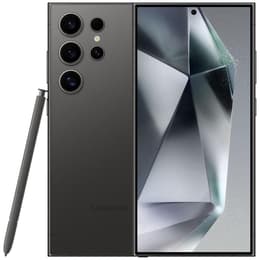
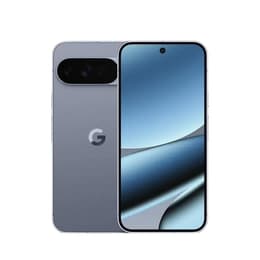
Galaxy S24 Ultra vs Google Pixel 10 Pro XL
- 1-year warranty
- Free standard shipping
- Free 30-day returns
Differences at a glance
The Samsung Galaxy S24 Ultra (2024) and the Google Pixel 10 Pro XL (2025) represent advanced tiers of large-screen Android smartphones. While both devices deliver top-tier mobile experiences, they differ significantly in their approach to productivity integration and software design. Operating on distinct versions of the Android operating system, each phone targets users seeking expansive screens and refined hardware capabilities.
Available Models
Colour
Storage
Scores
Durability
Both smartphones are engineered for long-term ownership, featuring extended software support windows and robust physical materials designed to withstand daily wear.
- Software Support: Both manufacturers provide long-term major operating system upgrades and security patches spanning several years from their respective release dates.
- Build Durability: The Galaxy S24 Ultra features a titanium frame and specialized scratch-resistant glass, while the Pixel 10 Pro XL utilises reinforced aluminum and toughened glass paneling.
- Expected Lifespan: Both models maintain high structural and functional endurance, making quality-assured refurbished options a sustainable choice for users seeking longevity.
Release year
2024
2025
Operating system
Android
Android
Foldable
No
No
Performance
Underneath their displays, both handsets manage demanding workloads, heavy multitasking, and graphic-intensive applications with ease.
- Multitasking Capacity: Generous memory configurations on both devices ensure smooth switching between resource-heavy applications without stuttering.
- Battery Behavior: Both units comfortably power through a full day of standard mixed usage, supported by efficient power management systems and rapid charging capabilities.
- System Responsiveness: App loading, navigation, and gaming run smoothly thanks to high-performance internal processors and optimized software architecture.
Screen quality
The display assemblies on both devices deliver expansive viewing areas with high clarity, vibrant color accuracy, and fluid refresh rates.
- Display Technology: Both models utilize advanced OLED panel technology, providing deep black levels, high contrast ratios, and sharp resolutions across their 6.8-inch screens.
- Outdoor Visibility: High peak brightness levels ensure the screens remain easily legible under direct sunlight or bright outdoor environments.
- Visual Fluidity: Dynamic refresh rates scaling up to 120 Hz ensure smooth scrolling through web pages and fluid motion in animations.
Resolution
1440 x 3120
1344x2992
Audiovisual
Equipped with versatile multi-lens camera arrays, both smartphones excel at capturing detailed photographs and smooth video recordings across diverse lighting conditions.
- Photography Performance: Both devices offer robust primary and ultra-wide sensors, complemented by advanced telephoto capabilities for distant subjects.
- Video and Audio: High-resolution video recording features are paired with clear multi-microphone setups for crisp audio capture during calls and media recording.
- Media Consumption: Stereo speaker configurations on both handsets provide balanced audio output for music playback and video streaming.
Miscellaneous
Practical everyday features, connectivity standards, and physical dimensions shape how these devices fit into daily routines.
- Connectivity: Both models support modern 5G networks, high-speed Wi-Fi standards, and Bluetooth connectivity for reliable peripheral pairing.
- Biometric Security: Each device incorporates responsive in-display fingerprint sensors alongside secure facial recognition options.
- Physical Handling: Both phones share a large 6.8-inch form factor, though subtle variations in weight and edge curvature influence how they rest in the hand or pocket.
Weight
232 oz
232 oz
Screen size (in)
6.8
6.8
Network
5G
5G
SIM card
Physical SIM + eSIM
Physical SIM + eSIM
Carrier compatibility
Unlocked
Unlocked
What the community thinks
User discussions and community feedback indicate that both smartphones receive positive remarks for their expansive displays, robust build quality, and dependable battery longevity. Common points of discussion often revolve around the physical heft of large-screen handsets and individual preferences for software customization. Users prioritizing built-in stylus functionality and versatile productivity tools may find the Galaxy S24 Ultra well-suited to their workflow. Conversely, users leaning toward streamlined software interfaces and advanced automated photography features often prefer the Pixel 10 Pro XL. Choosing between these two devices depends entirely on individual preferences for operating system features and hardware design. For consumers seeking an eco-friendly alternative, opting for a quality-assured refurbished model provides access to these flagship capabilities while supporting sustainable technology consumption.