
Compare models

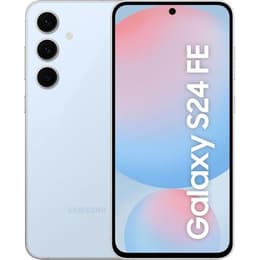
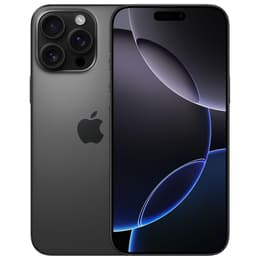
Galaxy S24 FE vs iPhone 16 Pro Max

  • 1-year warranty
  • Free standard shipping
  • Free 30-day returns
Galaxy S24 FE
Starting at

Refurbished price:A$549.00

Versus A$639.00 new

See options
iPhone 16 Pro Max
Starting at

Refurbished price:A$1,260.00

Versus A$2,149.00 new

See options

Differences at a glance

The Samsung Galaxy S24 FE (2024) and the iPhone 16 Pro Max (2024) represent two distinct approaches to the modern smartphone market, balancing large displays with capable performance. While the Samsung Galaxy S24 FE focuses on delivering core flagship experiences in an accessible format, the iPhone 16 Pro Max targets users seeking top-tier mobile capabilities and premium construction. These devices operate on different software ecosystems, utilizing Android and iOS respectively, which shapes the overall day-to-day user experience. Choosing between them depends on how users weigh software preferences, device size, and specific daily usage requirements.

Available Models

Colour

Storage (GB)

Scores

Durability

When examining long-term viability, both devices offer robust support lifecycles, though their update models differ based on manufacturer policies.

  • Software longevity: Both manufacturers provide multi-year operating system updates and security patches, ensuring both models remain secure and functional for several years of daily ownership.
  • Repairability and durability: Both devices feature sturdy exterior builds with dust and water resistance, while repair networks for both ecosystems are widely established globally.
  • Expected lifespan: Solid internal hardware and sustained software support mean both options maintain smooth functionality over extended ownership cycles, with quality-assured refurbished options providing a sustainable choice that extends device lifecycles further.

Release year

2024

2024

Foldable

No

No

Performance

Performance capabilities dictate how smoothly each device handles everyday tasks, demanding applications, and multitasking routines.

  • System responsiveness: Both devices load applications instantly, switch between multiple open tasks without stuttering, and handle graphics-heavy mobile gaming with high visual fidelity.
  • Storage and memory: Generous memory configurations allow background apps to stay active longer, while varied internal storage tiers accommodate extensive media libraries and large document collections.
  • Battery behavior: Battery capacity handles full days of mixed usage comfortably, though very heavy navigation or video recording will require midday replenishment for both models.

Screen quality

Display characteristics define the media consumption, reading, and overall visual interaction experience on both smartphones.

  • Display technology: Both models utilize vibrant OLED panels that deliver deep contrast levels, sharp text rendering, and accurate color reproduction for photos and videos.
  • Brightness and outdoor visibility: Peak outdoor brightness levels ensure content remains legible under direct sunlight, while adaptive refresh rates scale down during static viewing to conserve battery.
  • Screen dimensions: The expansive display real estate provides ample room for split-screen multitasking or immersive video watching, though the larger physical footprint requires two-handed use for comfortable navigation.

Resolution

1080x2340

1320 x 2868

Audiovisual

Optics and audio components influence how well each device captures memories and reproduces media soundscapes.

  • Camera systems: Multi-lens setups on both devices feature capable main sensors, ultra-wide options, and telephoto lenses that capture detailed images across various lighting conditions.
  • Video and low light: Advanced stabilization systems produce steady video footage while low-light algorithms reduce visual noise in evening environments without manual adjustment.
  • Audio output: Stereo speaker configurations deliver balanced sound for casual video viewing, while internal microphone arrays isolate voice audio clearly during phone calls and voice notes.

Miscellaneous

Practical daily features and physical attributes determine how easily each device integrates into various travel and work routines.

  • Connectivity standards: Both models support current-generation cellular networks, fast local wireless standards, and precise satellite positioning for reliable navigation.
  • Physical attributes: Weight and physical dimensions vary, meaning users who prefer lighter handling may lean toward more compact designs, while those seeking maximum screen space will manage slightly heavier frames.
  • Authentication and ports: Secure facial recognition and display-integrated biometric sensors provide fast unlocking, while standard physical connection ports handle charging and data transfer.

Weight

213 oz

227 oz

Screen size (in)

6.7

6.9

Network

5G

5G

SIM card

Physical SIM + eSIM

eSIM

Carrier compatibility

Unlocked

Unlocked

What the community thinks

Users on community forums frequently praise the Samsung Galaxy S24 FE for providing a balanced feature set without unnecessary complexity, though some note its physical footprint is substantial. Conversely, users often highlight the iPhone 16 Pro Max for its expansive display quality and robust media capabilities, while pointing out that its larger size requires deliberate two-handed handling. Actual users emphasize that software ecosystem preference often serves as the final deciding factor between the two.

Users prioritizing deep integration with Apple services and maximum screen estate will find the iPhone 16 Pro Max well-suited to their daily routines. Meanwhile, users who prefer the customization flexibility of Android and a balanced approach to everyday features may lean toward the Galaxy S24 FE. Exploring quality-assured refurbished options allows consumers to make an eco-friendly choice while accessing either of these capable devices. Ultimately, evaluating personal comfort with operating systems and physical dimensions will guide the right selection.

Our recent comparisons