
Compare models

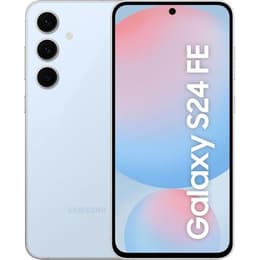
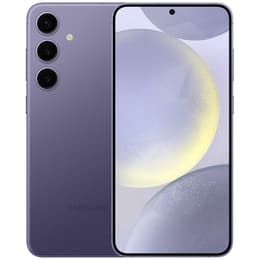
Galaxy S24 FE vs Galaxy S24+

  • 1-year warranty
  • Free standard shipping
  • Free 30-day returns
Galaxy S24 FE
Starting at

Refurbished price:A$549.00

Versus A$639.00 new

See options
Galaxy S24+
Starting at

Refurbished price:A$609.00

Versus A$1,833.00 new

See options

Differences at a glance

The Samsung Galaxy S24 FE (2024) and the Samsung Galaxy S24+ (2024) represent two distinct approaches within the manufacturer's flagship-inspired lineup. While both devices run on the Android operating system with the manufacturer interface and offer long-term software support, they cater to different physical preferences and balance internal capabilities differently. The primary differentiators between these two smartphones lie in their physical dimensions, display borders, and processing configurations, which influence overall handling and sustained performance during intensive tasks.

Available Models

Colour

Storage (GB)

Scores

Durability

Both smartphones offer robust longevity profiles, though their release schedules and internal components introduce slight variations in long-term usability.

  • Software Support: Both devices benefit from extended manufacturer update commitments, providing multi-year operating system upgrades and security patches to ensure software relevance.
  • Repairability and Build: Each model features durable glass and aluminum construction with high-level dust and water resistance ratings, scoring similarly for routine structural resilience.
  • Expected Lifespan: The hardware capability of both devices ensures they will handle evolving mobile applications comfortably for many years, making a quality-assured refurbished option an eco-friendly choice that extends device longevity.

Release year

2024

2024

Operating system

Android

Android

Foldable

No

No

Performance

Internal hardware configurations determine how each device handles multitasking, gaming, and everyday navigation through menus and applications.

  • Everyday Speed and Multitasking: Both smartphones switch between apps smoothly and manage background tasks efficiently, supported by generous random access memory configurations.
  • Demanding Applications: The Galaxy S24+ utilizes a slightly more advanced processor setup that maintains higher sustained frame rates during extended gaming sessions, whereas the Galaxy S24 FE handles graphics-heavy tasks capably with minor thermal adjustments over time.
  • Storage and Battery Management: Storage tiers on both models accommodate extensive media libraries, while battery capacities align with screen dimensions to provide reliable daily endurance under mixed usage conditions.

Screen quality

Display characteristics shape the primary interaction point, influencing media consumption clarity, outdoor visibility, and overall visual comfort.

  • Display Technology and Clarity: Both models utilize vibrant organic light-emitting diode panels with high refresh rates, ensuring fluid scrolling, sharp text rendering, and deep contrast levels for video playback.
  • Brightness and Outdoor Use: Peak brightness capabilities on both screens allow for clear legibility under direct sunlight, minimizing glare during outdoor navigation.
  • Dimensions and Borders: The Galaxy S24+ offers a slightly larger viewing area within a slimmer physical footprint due to narrower surrounding borders, whereas the Galaxy S24 FE features marginally thicker borders and a slightly different diagonal measurement.

Resolution

1080x2340

1440x3120

Audiovisual

Photography and video recording suites vary slightly in hardware implementation, affecting low-light versatility and zoom capabilities.

  • Lens Configurations: Both devices feature versatile triple-camera arrays including main, ultra-wide, and telephoto lenses that capture detailed everyday photographs with balanced color reproduction.
  • Low-Light and Video Performance: Processing algorithms on both models reduce visual noise in dim environments and support stable, high-resolution video recording with clear audio capture from built-in microphones.
  • Media Consumption: Stereo speaker output on both smartphones delivers clear audio for casual video watching and hands-free calls, though neither includes a traditional headphone jack.

Miscellaneous

Physical handling, connectivity standards, and daily convenience features dictate how each device integrates into user routines.

  • Connectivity and Ports: Both models support modern fifth-generation cellular networks, rapid wireless standards, and utilize standard universal serial bus Type-C ports for charging and data transfer.
  • Security Sensors: In-display fingerprint scanners and facial recognition technology provide secure and rapid biometric unlocking on both devices.
  • Dimensions and Weight: The Galaxy S24 FE is marginally heavier and larger overall, while the Galaxy S24+ adopts a slimmer profile that rests slightly lighter in the hand during extended use.

Weight

213 oz

196 oz

Screen size (in)

6.7

6.7

Network

5G

5G

SIM card

Physical SIM + eSIM

Physical SIM + eSIM

Carrier compatibility

Unlocked

Unlocked

What the community thinks

User feedback from online communities highlights consistent praise for both devices regarding display clarity, day-to-day responsiveness, and long-term software backing. Common discussions often note that the Galaxy S24+ appeals to individuals looking for a refined, slim physical profile with narrower borders and higher sustained processing headroom for heavy tasks. Conversely, users frequently observe that the Galaxy S24 FE delivers core flagship capabilities in a more accessible format without compromising on essential daily functions or screen quality.

Users prioritizing a slightly more compact physical footprint and balanced everyday performance may prefer the Galaxy S24+, while users focusing on essential flagship features within a slightly larger build often lean toward the Galaxy S24 FE. Exploring a quality-assured refurbished option provides a sustainable choice that aligns with environmental considerations without altering core device performance. Ultimately, the decision depends on whether subtle differences in physical dimensions and sustained processing power match individual daily usage habits.