Galaxy S23 Ultra vs iPhone SE (2020)

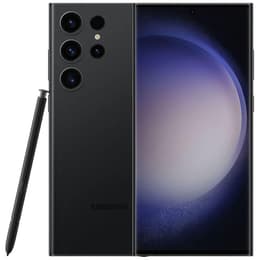
Galaxy S23 Ultra
Galaxy S23 Ultra
Starting at

Refurbished price:A$688.00

Versus A$1,949.00 new

See options
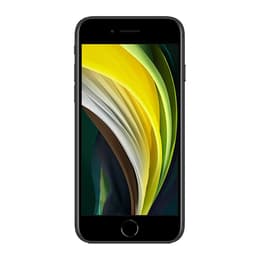
iPhone SE (2020)
iPhone SE (2020)
Starting at

Refurbished price:A$162.00

Versus A$529.00 new

See options

Ratings

The Samsung Galaxy S23 Ultra, released in February 2023, and the iPhone SE (2020), launched in April 2020, represent distinct approaches to smartphone design and functionality. While the Galaxy S23 Ultra offers a large, feature-rich Android experience with advanced capabilities, the iPhone SE (2020) provides a compact, iOS-driven device with a focus on core performance in a familiar form factor. These differences extend across their operating systems, physical dimensions, and intended user experiences.

Scores

Durability

The expected practical lifespan of a smartphone is influenced by its initial release date, the duration of software support, and its physical resilience.

  • Release Timeline and Age: The Galaxy S23 Ultra, being a 2023 release, benefits from a more recent manufacturing date compared to the iPhone SE (2020), which was released in April 2020. This age difference inherently means the S23 Ultra has a longer remaining period for software updates and general technological relevance. [1, 3, 4, 5]
  • OS Support Duration: Samsung typically provides four generations of Android OS updates and five years of security updates for its flagship devices like the S23 Ultra. [9] Apple is known for its extended software support, with the iPhone SE (2020) having received updates up to iOS 26, indicating a long support cycle from its initial iOS 13.4. [1, 32, 33, 34]
  • Physical Durability: The Galaxy S23 Ultra features Gorilla Glass Victus 2 on its front and back, along with an Armor Aluminum frame, contributing to its robust build and IP68 water and dust resistance. [10, 11, 20, 21] The iPhone SE (2020) utilizes glass on both sides and an aluminum frame, offering IP67 water and dust resistance. [13, 22, 37] Both devices show scratches at level 6 on the Mohs hardness scale, with deeper grooves at level 7. [11, 13, 20, 22, 26, 37]

Release year

2023

2020

Compatible with latest Update

Yes

Yes

Operating system

Android

iOS

Foldable

No

No

Performance

Performance in daily use, from app responsiveness to handling demanding tasks, varies significantly between these two devices due to their differing hardware generations and architectural designs.

  • Processor Capabilities: The Galaxy S23 Ultra is equipped with a current-generation processor designed for high-performance tasks, enabling smooth operation for demanding applications, advanced gaming, and intensive multitasking. [10, 14] The iPhone SE (2020) features a processor that, while powerful for its release year, is now several generations older, providing capable performance for everyday tasks and many applications, but with less headroom for future, more intensive software. [6, 25, 32]
  • Multitasking and Storage: The Galaxy S23 Ultra offers substantial RAM options, typically 8GB or 12GB, which supports extensive multitasking and keeps numerous applications active in the background without slowdowns. [14, 17] Its storage options, starting from 256GB, often utilize faster UFS 4.0 technology for quicker app loading and data transfer. [17] The iPhone SE (2020) comes with 3GB of RAM, which is sufficient for typical daily usage and switching between a moderate number of apps. [6, 33] Storage options range from 64GB to 256GB. [6, 25, 32]
  • Battery Behavior: The Galaxy S23 Ultra includes a large 5000 mAh battery, which, combined with an efficient processor, often allows for extended usage, with many users reporting up to two days of use on a single charge under moderate conditions. [16, 19, 23, 31, 44] The iPhone SE (2020) has a smaller 1821 mAh battery, which generally results in more frequent charging for heavy users, with typical screen-on times in tests ranging from 9 to 10 hours, and less for continuous video streaming. [6, 18, 28, 39, 41, 45, 48]

Memory (GB)

12 GB

3 GB

Screen quality

The visual experience on these devices differs considerably, primarily due to their display technologies, sizes, and refresh rates.

  • Display Technology and Clarity: The Galaxy S23 Ultra features a 6.8-inch Dynamic AMOLED 2X display, offering deep blacks, vibrant colors, and high contrast, with a QHD+ resolution (3088 x 1440 pixels) that provides exceptional sharpness for text and images. [3, 10, 16, 27] The iPhone SE (2020) has a 4.7-inch Retina IPS LCD, which delivers accurate colors and good viewing angles, though its HD resolution (1334 x 750 pixels) is less dense. [6, 18, 30, 36, 42]
  • Brightness and Refresh Rate: The S23 Ultra's display can reach a peak brightness of 1750 nits, making it highly visible even in bright outdoor conditions. [10, 16, 35, 43] It also boasts an adaptive refresh rate that can scale from 1Hz to 120Hz, providing smooth scrolling and responsive visuals while conserving power. [10, 16] The iPhone SE (2020) offers a standard 60Hz refresh rate and a respectable brightness level that is suitable for most indoor and outdoor environments, though it may struggle in direct sunlight compared to the S23 Ultra. [6, 30, 36]
  • Screen Size and Viewing Experience: The S23 Ultra's expansive display is well-suited for immersive media consumption, detailed productivity tasks, and gaming. [27, 35] The iPhone SE (2020)'s compact screen is designed for one-handed use and portability, making it convenient for users who prefer a smaller device, though it offers a less expansive viewing area. [18, 30, 36]

Resolution

1440 x 3088

750 x 1334

Screen type

Dynamic AMOLED 2X

Retina IPS LCD

Audiovisual

The camera systems on these two smartphones cater to different photographic needs and expectations, reflecting their respective positions in the market.

  • Rear Camera System: The Galaxy S23 Ultra features a versatile quad-camera setup, including a 200MP main sensor, a 12MP ultrawide lens, and two 10MP telephoto lenses offering 3x and 10x optical zoom, allowing for detailed and flexible photography across various scenarios. [3, 10, 17] The iPhone SE (2020) is equipped with a single 12MP wide-angle camera, which is capable of capturing good quality photos in well-lit conditions. [6, 25, 32]
  • Photography Performance: The S23 Ultra excels in low-light conditions and offers advanced computational photography features, providing detailed images with a wide dynamic range. Its multiple lenses allow for creative framing and impressive zoom capabilities. [10, 17] The iPhone SE (2020) delivers consistent and reliable image quality for everyday photography, benefiting from Apple's image processing, though it lacks the specialized lenses and advanced low-light performance of the S23 Ultra. [25]
  • Video Recording and Audio: The Galaxy S23 Ultra supports video recording up to 8K resolution at 30 frames per second, along with advanced stabilization and audio recording features. [3, 15] The iPhone SE (2020) can record video up to 4K resolution, offering good quality for casual video capture. [25] Both devices provide clear audio for calls and media consumption, with the S23 Ultra featuring stereo speakers for a more immersive sound experience. [3, 15]

Main camera

200 megapixels

12 megapixels

Front camera

12 megapixels

7 megapixels

Miscellaneous

Beyond core performance, several practical elements contribute to the overall user experience and differentiate these two devices.

  • Connectivity and Ports: The Galaxy S23 Ultra supports 5G connectivity, Wi-Fi 6E, and Bluetooth 5.3, offering fast wireless speeds and modern peripheral connections. [14, 15] It uses a USB-C port for charging and data transfer. [15] The iPhone SE (2020) supports 4G LTE, Wi-Fi 6, and Bluetooth 5.0, providing reliable wireless performance. [25, 33] It utilizes Apple's proprietary Lightning port. [25]
  • Biometric Security: The S23 Ultra incorporates an ultrasonic in-display fingerprint sensor for secure unlocking and authentication, alongside face recognition. [15] The iPhone SE (2020) features a physical Touch ID fingerprint sensor integrated into its home button, a familiar and reliable method for many users. [25, 36]
  • Design and Handling: The Galaxy S23 Ultra is a larger and heavier device, weighing 233 grams, with dimensions that emphasize its expansive display and integrated S Pen stylus. [14, 35] The S Pen offers additional functionality for note-taking and navigation. [35] The iPhone SE (2020) is significantly more compact and lighter at 148 grams, designed for comfortable one-handed use and easy pocketability. [12, 33, 36]

Weight

234 oz

148 oz

Screen size (in)

6.8

4.7

Network

5G

4G

SIM card

Physical SIM + eSIM

Physical SIM + eSIM

Carrier compatibility

Unlocked

Unlocked

Connector

USB-C

Lightning

The Samsung Galaxy S23 Ultra and the iPhone SE (2020) cater to distinct user preferences, offering different strengths based on their design philosophies and release timelines. Users frequently praise the Galaxy S23 Ultra for its exceptional battery life, versatile camera system with impressive zoom capabilities, and its vibrant, large display. [16, 19, 23, 27, 31, 43, 44] The integrated S Pen is also a significant draw for those who value productivity and creative input. [35] However, some users note its large size and weight as a potential drawback for one-handed use. [16, 27, 35]

The iPhone SE (2020) is often lauded for its compact form factor, the familiarity of its design with a physical home button and Touch ID, and its capable performance for everyday tasks within the iOS ecosystem. [25, 30, 36] Its main criticisms often revolve around its smaller battery capacity, which can lead to more frequent charging, and its less advanced display technology compared to more modern devices. [18, 39, 41, 45, 48]

Users prioritizing a large, feature-rich display, advanced camera capabilities, and extended battery life for demanding use cases may find the Galaxy S23 Ultra well-suited to their needs. Conversely, users who prefer a compact device, value the iOS experience, and primarily engage in everyday tasks will likely appreciate the iPhone SE (2020). Both devices are available as quality-assured refurbished options, providing an eco-friendly alternative for consumers seeking to make informed and sustainable choices.

See all articles

Our recent comparisons