
Compare models
Galaxy S23 FE vs Oppo Find X5 Lite
- 1-year warranty
- Free standard shipping
- Free 30-day returns
Differences at a glance
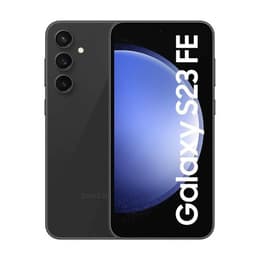
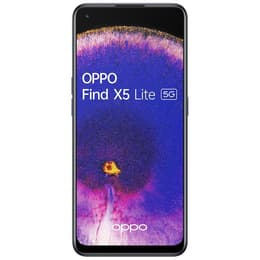
The Samsung Galaxy S23 FE (2023) and the Oppo Find X5 Lite (2022) are capable mid-range smartphones designed to deliver reliable daily performance without stepping into flagship tiers. While both devices feature versatile multi-lens camera systems and balanced form factors, they differ significantly in their launch timelines, software support longevity, and display refresh rates. The Samsung model runs on the Android operating system with Samsung's custom interface, whereas the Oppo device operates on Android paired with ColorOS.
Available Models
Colour
Storage
Scores
Durability
When examining software longevity and hardware endurance, both devices offer different lifespans due to their distinct release years and manufacturer support policies.
- Release Timeline: The Oppo Find X5 Lite launched in early 2022, while the Galaxy S23 FE arrived in late 2023, giving the Samsung model a roughly year-and-a-half advantage in age and extended update backing.
- Software Longevity: Samsung provides a multi-year commitment for major system updates and security patches, extending its operational relevance further into future years compared to the Oppo counterpart.
- Repairability: Both smartphones feature sealed glass-and-metal builds that require professional assistance for complex internal component replacements, though standard screen and battery swaps remain widely accessible.
Release year
2023
2022
Compatible with latest Update
Yes
No
Operating system
Android
Android
Foldable
No
No
Performance
Under everyday workloads, both smartphones handle multitasking, communication apps, and media streaming smoothly, though they utilize different internal configurations and battery behaviors.
- Processing Power: Both units handle daily tasks, social media feeds, and moderate gaming without noticeable stutter, though heavier 3D titles run with greater thermal headroom on the Samsung device.
- Battery Behavior: Both devices house a 4,500mAh battery capacity, but the Oppo model benefits from extremely rapid wired charging speeds, whereas the Samsung unit prioritizes wireless charging capabilities and slower standard wired replenishment.
- Storage and Multitasking: The Oppo device provides ample internal capacity paired with expandable storage support via a memory card slot, while the Samsung model relies exclusively on fixed internal storage tiers.
Screen quality
Visual output and screen responsiveness vary notably between the two handsets, influencing media consumption and outdoor usability.
- Display Technology: Both models utilize vibrant AMOLED panels that produce deep contrast levels and rich colors, though the Samsung device features a slightly larger dynamic viewing area.
- Refresh Rate: The Samsung model offers a smoother 120Hz refresh rate for fluid scrolling and animations, while the Oppo device operates at a standard 90Hz refresh rate.
- Outdoor Visibility: Both displays reach adequate peak brightness levels for comfortable reading under direct sunlight, though adaptive brightness adjustments respond quickly on both interfaces.
Resolution
1080 x 2340
1080 x 2400
Screen type
Dynamic AMOLED 2X
AMOLED
Audiovisual
Photography and audio capabilities across both smartphones cater well to casual content creators and everyday communication needs.
- Camera Systems: The Oppo model features a high-resolution main sensor alongside an ultra-wide lens, while the Galaxy S23 FE includes a dedicated telephoto lens for optical zoom functionality alongside its main and ultra-wide shooters.
- Low-Light and Video: Both devices capture clear photos in daylight, while nighttime algorithms on both handsets balance shadows and highlights effectively, supporting stable high-definition video recording.
- Media Output: Mono speaker setups or basic stereo configurations on these mid-range builds handle calls and casual video watching adequately, though external headphones or speakers provide a richer listening experience.
Main camera
50 megapixels
64 megapixels
Front camera
10 megapixels
32 megapixels
Miscellaneous
Practical daily usability features, physical dimensions, and connectivity options shape how each device fits into travel or professional routines.
- Connectivity: Both phones support 5G cellular networks, modern Wi-Fi standards, and Bluetooth pairing for seamless wireless accessory integration.
- Build and Durability: The Samsung model includes an official dust and water resistance rating, whereas the Oppo device focuses on a slim profile and lightweight handling.
- Physical Dimensions: The Oppo Find X5 Lite maintains a noticeably thinner and lighter chassis that rests comfortably in smaller pockets, while the Galaxy S23 FE offers a denser, more substantial feel in the hand.
Weight
209 oz
173 oz
Screen size (in)
6.4
6,43
Network
5G
5G
SIM card
Physical SIM
Physical SIM
Carrier compatibility
Unlocked
Unlocked
What the community thinks
User feedback from online communities highlights distinct preferences for each device based on everyday use cases. Owners of the Oppo Find X5 Lite frequently praise its lightweight ergonomics, expandable storage slot, and remarkably fast charging speeds that minimize time tethered to a wall outlet. Conversely, Galaxy S23 FE users often commend the smoother display refresh rate, inclusion of a dedicated optical zoom lens, and longer software support window. Common criticisms for the Oppo model center on its older software version ceiling, while Samsung users occasionally note shorter battery endurance during heavy multitasking sessions.
Users prioritizing extended software updates, smoother screen motion, and a dedicated zoom lens will find the Galaxy S23 FE well-suited to their needs. Meanwhile, users prioritizing rapid charging times, a lighter physical profile, and expandable storage will likely lean toward the Oppo Find X5 Lite. Choosing a quality-assured refurbished option through platforms like Back Market provides an eco-friendly, sustainable way to acquire either of these reliable smartphones while reducing electronic waste.