Galaxy S22 5G vs iPhone 14 Plus

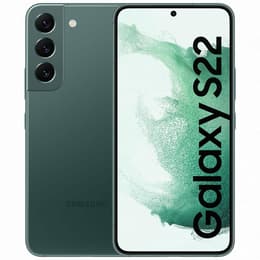
Galaxy S22 5G
Galaxy S22 5G
Starting at

Refurbished price:A$353.00

Versus A$1,189.00 new

See options
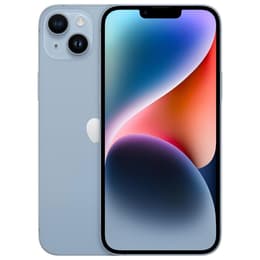
iPhone 14 Plus
iPhone 14 Plus
Starting at

Refurbished price:A$480.00

Versus A$1,249.00 new

See options

Ratings

The Samsung Galaxy S22 5G, released in early 2022, and the iPhone 14 Plus, launched in late 2022, represent distinct approaches to premium smartphones. While the Galaxy S22 offers a compact Android experience with a high refresh rate display, the iPhone 14 Plus provides a larger screen and extended battery life within Apple's iOS ecosystem. These devices cater to users seeking reliable performance and capable cameras, but they differ significantly in size and operating system, influencing daily usability and feature sets.

Scores

Durability

Both the Galaxy S22 5G and the iPhone 14 Plus, released in 2022, offer robust software support, though their expected longevity differs due to their respective operating systems.

  • Software Updates: The iPhone 14 Plus typically receives major iOS updates for approximately 5-6 years from its release, potentially extending into late 2027 or early 2028. The Galaxy S22, under Samsung's policy, receives 4 major Android OS updates and 5 years of security updates, with security support continuing until early 2027.
  • Practical Lifespan: Both devices are constructed with durable materials and are designed for lasting use. The iPhone 14 Plus features Apple's Ceramic Shield front cover, while the Galaxy S22 utilizes Gorilla Glass Victus+ on both its front and back. Both models also carry an IP68 rating for dust and water resistance, contributing to their resilience in everyday scenarios.
  • Repairability: Neither phone is designed for easy user repair, but professional repair services are available for common components like screens and batteries. Opting for a quality-assured refurbished option for either model ensures it has been professionally inspected and restored.

Release year

2022

2022

Compatible with latest Update

Yes

Yes

Foldable

No

No

Performance

Performance is a key consideration, and both the Galaxy S22 and iPhone 14 Plus handle daily tasks with ease, though they approach demanding applications differently.

  • Everyday Responsiveness: The iPhone 14 Plus, equipped with its efficient processor, delivers consistently smooth performance across applications and system navigation. The Galaxy S22 also provides a fluid experience, capable of handling multitasking and graphically intensive games without significant slowdowns.
  • Multitasking and Gaming: Users who frequently switch between many applications or engage in high-fidelity mobile gaming will find both devices capable. The Galaxy S22 typically comes with 8GB of RAM, while the iPhone 14 Plus features 6GB of RAM.
  • Battery Behavior: The iPhone 14 Plus is noted for its extended battery life, often lasting a full day or more for many users. The Galaxy S22's smaller battery capacity (3700 mAh) may require more frequent charging for heavy users.

Memory (GB)

8 GB

6 GB

Screen quality

The display experience varies significantly between these two devices, primarily in size, refresh rate, and overall visual characteristics.

  • Display Technology and Size: The iPhone 14 Plus features a larger 6.7-inch Super Retina XDR OLED display, offering deep blacks and vibrant colors. The Galaxy S22 has a more compact 6.1-inch Dynamic AMOLED 2X screen, making it easier for one-handed use and pocketability.
  • Refresh Rate: A key difference is the refresh rate. The Galaxy S22 features an adaptive 120Hz refresh rate, which makes scrolling and animations appear noticeably smoother. The iPhone 14 Plus maintains a standard 60Hz refresh rate, which is still fluid but less smooth than a higher refresh rate display.
  • Brightness and Clarity: Both screens offer excellent brightness levels, ensuring good visibility outdoors, with the iPhone 14 Plus reaching 1200 nits peak brightness and the Galaxy S22 reaching 1300 nits peak brightness. They also provide sharp and clear visuals for text and images, suitable for all types of content.

Resolution

1080 x 2340

1284 x 2778

Screen type

Dynamic AMOLED 2X

Super Retina XDR OLED

Audiovisual

Both the Galaxy S22 and iPhone 14 Plus are equipped with versatile camera systems capable of capturing high-quality photos and videos in various conditions, though with different strengths.

  • Main Camera Performance: The Galaxy S22 features a triple camera system with a 50MP main sensor, a 12MP ultrawide, and a 10MP telephoto lens with 3x optical zoom. The iPhone 14 Plus has a dual-camera setup with a 12MP main camera and a 12MP ultrawide lens, with its main camera featuring a larger sensor for improved low-light performance.
  • Video Recording: Both phones are strong contenders for video capture, offering stable and high-resolution recording. The iPhone 14 Plus introduces features like Cinematic Mode for depth-of-field effects and Action Mode for smoother handheld video. The Galaxy S22 also provides robust video capabilities, including advanced stabilization and 8K video recording.
  • Front Camera and Audio: Both devices feature capable front-facing cameras for selfies and video calls, producing clear and well-exposed images. The iPhone 14 Plus's front camera includes autofocus, enhancing clarity for various distances. Both phones offer stereo speakers for media consumption.

Main camera

50 megapixels

12 megapixels

Front camera

10 megapixels

12 megapixels

Miscellaneous

Beyond core features, several practical elements differentiate the user experience between these two devices, impacting daily convenience and interaction.

  • Connectivity: Both smartphones support 5G connectivity for fast mobile data speeds and are equipped with Wi-Fi 6 for efficient wireless networking. The iPhone 14 Plus features Bluetooth 5.3, a slightly newer standard than the Galaxy S22's Bluetooth 5.2, potentially offering minor improvements in efficiency and range.
  • Charging Port: The Galaxy S22 uses a universal USB-C port for charging and data transfer, which is widely adopted across many electronic devices. The iPhone 14 Plus continues to use Apple's proprietary Lightning port.
  • Biometric Security and Design: The iPhone 14 Plus relies on Face ID for secure facial recognition. The Galaxy S22 features an in-display ultrasonic fingerprint sensor. The iPhone 14 Plus is a larger and heavier device (203g), which might appeal to users who prefer a substantial feel and a larger screen, while the Galaxy S22 is more compact and lighter (167g), making it easier to handle with one hand.

Weight

195 oz

203 oz

Screen size (in)

6.6

6,7

SIM card

Physical SIM + eSIM

Physical SIM + eSIM

Carrier compatibility

Unlocked

Unlocked

Connector

USB-C

Lightning

User sentiment for both the Galaxy S22 5G and the iPhone 14 Plus highlights their respective strengths and some common concerns. The iPhone 14 Plus is frequently praised for its excellent battery life and strong video capabilities, with users appreciating the consistent performance of its camera system, especially in low light. Some users, however, note the 60Hz display as a drawback compared to competitors. The Galaxy S22 is often lauded for its vibrant 120Hz display and its versatile camera setup, particularly the inclusion of a telephoto lens. However, some users have reported concerns regarding battery life and occasional overheating, particularly with certain processor variants or during demanding tasks.

Users prioritizing a larger display, extended battery life, and a robust video recording experience within the iOS ecosystem may find the iPhone 14 Plus well-suited to their needs. Conversely, individuals who value a more compact design, a smoother 120Hz display, and the flexibility of a telephoto camera within the Android environment might lean toward the Galaxy S22. Both devices offer a premium smartphone experience, and choosing between them often comes down to personal preference for operating system, size, and specific feature priorities. For those considering either model, exploring a quality-assured refurbished option can provide a sustainable choice without compromising on functionality.

See all articles

Our recent comparisons