
Galaxy S21 FE 5G vs iPhone 16 Plus

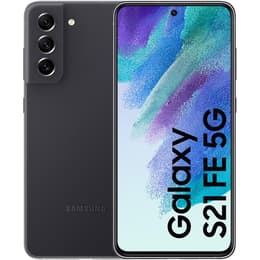
Galaxy S21 FE 5G
Galaxy S21 FE 5G
Starting at

Refurbished price:A$328.00

Versus A$1,252.00 new

See options
iPhone 16 Plus
iPhone 16 Plus
Starting at

Refurbished price:A$942.00

Versus A$1,599.00 new

See options

Ratings

The Samsung Galaxy S21 FE 5G, released in January 2022, and the iPhone 16 Plus, launched in September 2024, represent different approaches to the large-screen smartphone experience from two major manufacturers. While the Galaxy S21 FE 5G offers a high refresh rate display and a versatile camera system within the Android ecosystem, the iPhone 16 Plus focuses on a powerful, efficient processor and advanced camera features integrated into the iOS platform. These differences cater to distinct user preferences regarding operating system, display fluidity, and photographic capabilities.

Scores

Durability

The practical lifespan of a smartphone is often determined by its software support and physical durability.

  • Software Longevity: The Galaxy S21 FE 5G, released in early 2022, typically receives several years of Android operating system updates and security patches, extending its usability. The iPhone 16 Plus, launched in late 2024, benefits from Apple's generally longer software support cycle, often receiving major iOS updates for five to seven years from its release, providing a longer period of access to new features and security enhancements. [7, 36, 40]
  • Physical Resilience: Both devices offer robust build quality. The Galaxy S21 FE 5G features Corning Gorilla Glass Victus for screen protection and an IP68 rating for dust and water resistance. [1, 22] The iPhone 16 Plus incorporates Ceramic Shield on its front, which has demonstrated strong scratch resistance in tests, and also carries an IP68 rating for water and dust protection. [27, 30, 31]
  • Repairability: While specific repairability scores can vary, the iPhone 16 Plus has been noted in some durability tests for potentially easier repairability compared to its Pro counterparts, due to changes in adhesive application. [27, 30]

Release year

2022

2024

Compatible with latest Update

Yes

Yes

Foldable

No

No

Performance

Performance in daily use is influenced by the internal processing power and memory configuration of each device.

  • Processing Capability: The Galaxy S21 FE 5G is equipped with a processor designed to handle demanding applications and multitasking effectively, providing a responsive user experience for everyday tasks and gaming. [1, 22] The iPhone 16 Plus features a more recent A18 chip, which includes a multi-core CPU, a multi-core GPU, and an advanced Neural Engine. This hardware is optimized for complex tasks, including generative artificial intelligence features, and offers a significant increase in processing and graphics performance compared to its predecessors, resulting in smooth operation and efficient handling of intensive applications and games. [8, 9, 24, 31]
  • System Responsiveness: The iPhone 16 Plus benefits from its newer chip architecture, which contributes to faster app loading times and fluid transitions between applications, even with multiple apps running simultaneously. [8, 9, 24] The Galaxy S21 FE 5G also provides a smooth experience for most users, capable of managing typical smartphone workloads without significant delays. [22]
  • Memory and Storage: The Galaxy S21 FE 5G is available with various RAM configurations, typically 6GB or 8GB, supporting efficient multitasking. [1, 11] The iPhone 16 Plus comes with 8GB of RAM, which, combined with its optimized operating system, enhances its ability to manage numerous applications and complex processes. [9, 15, 31] Both devices offer multiple internal storage options, allowing users to choose based on their content storage needs. [1, 7, 9, 11, 13, 24]

Memory (GB)

8 GB

8 GB

Screen quality

The visual experience on a smartphone is largely defined by its display technology and characteristics.

  • Display Technology and Clarity: The Galaxy S21 FE 5G features a 6.4-inch Dynamic AMOLED 2X display, known for its vibrant colors, deep blacks, and excellent contrast. It offers a resolution of 1080 x 2400 pixels, resulting in sharp and clear visuals. [1, 6, 11] The iPhone 16 Plus comes with a larger 6.7-inch Super Retina XDR OLED display, providing a high resolution of 2796 x 1290 pixels, which translates to crisp text and detailed images. [7, 9, 26]
  • Refresh Rate and Smoothness: A key difference lies in the refresh rate. The Galaxy S21 FE 5G boasts a 120Hz refresh rate, which delivers noticeably smoother scrolling and more fluid animations, enhancing the overall interactive experience. [1, 6, 11] In contrast, the iPhone 16 Plus maintains a standard 60Hz refresh rate, which is sufficient for most daily tasks but may not offer the same level of visual fluidity as higher refresh rate displays. [7, 9, 10, 19, 36]
  • Brightness and Viewing Experience: Both displays offer good brightness levels for outdoor visibility. The iPhone 16 Plus can reach a peak outdoor brightness of 2000 nits, ensuring content remains visible even in bright sunlight. [9] The Galaxy S21 FE 5G also provides ample brightness for comfortable viewing in various lighting conditions. [1]

Resolution

1080 x 2340

1290 x 2796

Screen type

Dynamic AMOLED 2X

Super Retina XDR OLED

Audiovisual

The camera systems on both devices are designed to capture high-quality images and videos, though with different strengths and features.

  • Rear Camera System: The Galaxy S21 FE 5G features a triple-camera setup on the rear, including a 12 MP wide lens with optical image stabilization (OIS), an 8 MP telephoto lens with 3x optical zoom and OIS, and a 12 MP ultrawide lens. This configuration offers versatility for various photographic scenarios, from expansive landscapes to zoomed-in shots. [1, 6, 23] The iPhone 16 Plus has a dual-camera system with a 48 MP main camera (f/1.6, OIS) that provides 1x and 2x optical quality zoom, and an improved 12 MP ultrawide camera (f/2.2). [7, 9, 21, 28, 29, 31] The main camera's vertical alignment also enables Spatial Video capture. [5, 9, 17, 20, 28]
  • Photography Features: The iPhone 16 Plus introduces a new Capture button, offering a dedicated physical control for photography, and supports macro photography for the first time on a non-Pro model. [9, 15, 17, 21, 29, 32] The Galaxy S21 FE 5G is praised by users for its professional-grade camera capabilities, delivering clear and sharp images. [22]
  • Video Recording and Audio: Both phones are capable of recording high-quality video. The Galaxy S21 FE 5G supports 4K video recording at 30/60 frames per second. [1] The iPhone 16 Plus also offers advanced video recording features, including Spatial Video, and improvements in audio recording with wind noise reduction. [29]

Main camera

12 megapixels

48 megapixels

Front camera

32 megapixels

12 megapixels

Miscellaneous

Beyond core features, several practical elements contribute to the overall user experience and device utility.

  • Connectivity Standards: The Galaxy S21 FE 5G supports Wi-Fi 6 and Bluetooth 5.0, along with 5G cellular connectivity, ensuring reliable wireless communication. [1, 6] The iPhone 16 Plus features more advanced connectivity with Wi-Fi 7 and Bluetooth 5.3, providing faster wireless speeds and improved efficiency, alongside 5G capabilities. [7, 8, 31]
  • Ports and Physical Controls: Both devices utilize a USB-C port for charging and data transfer. [1, 7, 8] The iPhone 16 Plus introduces an Action button, which is customizable for quick access to various functions, and a dedicated Camera Control button for enhanced photography. [5, 7, 9, 15, 19, 24] The Galaxy S21 FE 5G relies on traditional volume and power buttons.
  • Biometric Security: The Galaxy S21 FE 5G uses an optical under-display fingerprint sensor for secure unlocking. [1, 6] The iPhone 16 Plus exclusively uses Face ID for biometric authentication. [25]
  • Dimensions and Handling: The Galaxy S21 FE 5G measures 155.7 x 74.5 x 7.9 mm. [6, 23] The iPhone 16 Plus is slightly larger at 160.9 x 77.8 x 7.8 mm and weighs 199 grams. [7, 31] Both devices are designed for comfortable handling despite their large screen sizes.

Weight

177 oz

199 oz

Screen size (in)

6.4

6.7

Network

5G

5G

SIM card

Physical SIM

Physical SIM + eSIM

Carrier compatibility

Unlocked

Unlocked

The Samsung Galaxy S21 FE 5G and the iPhone 16 Plus cater to users with differing priorities and preferences. Users often praise the Galaxy S21 FE 5G for its vibrant 120Hz AMOLED display and its versatile camera system, which includes a dedicated telephoto lens. [22] Some users, however, note that its battery life, while generally sufficient for a day, might require more frequent charging for heavy use. [22]

The iPhone 16 Plus, on the other hand, is frequently lauded for its exceptional battery life, with many users reporting it can easily last into a second day of use. [36] Its powerful A18 chip and the integration of Apple Intelligence features are also significant advantages for those seeking advanced performance and smart capabilities. [8, 9, 24, 31] A common point of discussion for the iPhone 16 Plus is its 60Hz display, which some users find less fluid compared to devices with higher refresh rates, particularly when scrolling. [7, 9, 10, 19, 36]

Users prioritizing a smoother visual experience and a dedicated optical zoom lens within the Android ecosystem may find the Galaxy S21 FE 5G well-suited to their needs. Conversely, users who value extended battery life, cutting-edge processing power for demanding applications and AI features, and the iOS ecosystem will likely lean towards the iPhone 16 Plus. Both devices offer a quality-assured refurbished option, providing an eco-friendly alternative for consumers.
See all articles

Our recent comparisons