Compare models
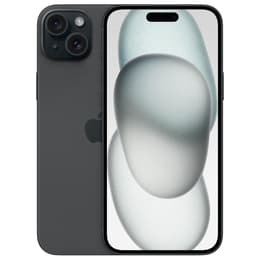
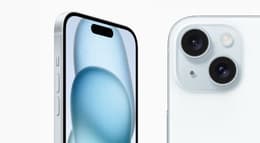
Galaxy A56 vs iPhone 15 Plus
- 1-year warranty
- Free standard shipping
- Free 30-day returns
Differences at a glance
The Samsung Galaxy A56 (2025) and the Apple iPhone 15 Plus (2023) represent two distinct approaches to large-screen smartphones, operating on Android and iOS respectively. While the iPhone 15 Plus emphasizes Apple's integrated software ecosystem and streamlined design, the Galaxy A56 focuses on long-term software support and high-refresh-rate viewing within the Android landscape. These devices offer varied user experiences shaped by their distinct operating systems and hardware configurations.
Available Models
Colour
Storage
Scores
Durability
Both smartphones provide extended update lifespans, though their release windows differ by roughly a year and a half, influencing their total active service window.
- Software Support Timeline: Samsung provides multi-year operating system upgrades and security patches for the Galaxy A56, while Apple matches this longevity with long-term iOS updates for the iPhone 15 Plus.
- Repairability and Build Longevity: Both models utilize durable glass and metal frames paired with dust and water resistance ratings, supporting long-term daily use when maintained properly.
- Practical Lifespan: Choosing a quality-assured refurbished option extends the active lifecycle of these devices further while supporting sustainable technology consumption.
Release year
2025
2023
Operating system
Android
iOS
Foldable
No
No
Performance
System responsiveness and energy management vary due to hardware differences, impacting multitasking, application loading, and overall endurance.
- Storage Configurations: Both devices offer standard internal storage capacities starting at 128 gigabytes, accommodating typical collections of applications and media files.
- Battery Endurance: Each model includes a large-capacity battery designed to last through a full day of mixed usage, paired with efficient energy management across their respective processors.
- Multitasking Responsiveness: Both devices handle daily productivity apps, media streaming, and moderate gaming smoothly without noticeable stutter or system slowdowns.
Screen quality
Visual immersion is a priority for both models, though their display panels utilize different refresh rates and panel technologies.
- Display Technology: The Galaxy A56 features a Super AMOLED panel, while the iPhone 15 Plus utilizes a Super Retina OLED display, both delivering deep contrast and vivid color reproduction.
- Refresh Rate Smoothness: The Galaxy A56 offers a 120Hz refresh rate for fluid scrolling, whereas the iPhone 15 Plus uses a standard 60Hz refresh rate.
- Outdoor Visibility: High peak brightness levels on both screens ensure clear readability under direct sunlight conditions.
Resolution
1080 x 2340
1290 x 2796
Audiovisual
Photography and media capture capabilities differ in lens configuration and processing styles between the two manufacturers.
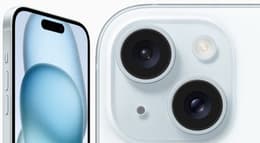
- Rear Camera Systems: The Galaxy A56 features a triple-lens setup including a high-resolution main sensor, ultra-wide lens, and dedicated macro lens, while the iPhone 15 Plus relies on a dual-lens system with high-resolution main and ultra-wide capabilities.
- Video and Low Light: Both devices capture detailed video footage with digital stabilization and perform reliably in low-light environments using automated night processing.
- Media and Audio Output: Stereo speaker setups on both models deliver clear sound reproduction for hands-free calls, video playback, and casual music listening.
Miscellaneous
Physical dimensions and connectivity standards shape how each device fits into everyday routines and travel needs.
- Connectivity Standards: Both models support 5G cellular networks, modern Wi-Fi protocols, and Bluetooth for accessories, alongside NFC for contactless transactions.
- Physical Ports: The iPhone 15 Plus uses a reversible USB-C port matching contemporary industry standards, mirroring the USB-C connection found on the Galaxy A56.
- Security and Handling: The Galaxy A56 integrates an optical in-display fingerprint sensor, while the iPhone 15 Plus utilizes facial recognition technology for authentication.
Weight
200 oz
201 oz
Screen size (in)
6.7
6.7
Network
4G
5G
SIM card
Physical SIM + eSIM
Physical SIM + eSIM
Carrier compatibility
Unlocked
Unlocked
Connector
USB-C
USB-C (USB 2)
What the community thinks
Users evaluating these two smartphones will find that their choice depends heavily on software ecosystem preferences and hardware feature priorities. Users who prefer customization, a high-refresh-rate display for smoother scrolling, and the Android operating system often gravitate toward the Galaxy A56. Conversely, users seeking the unified iOS experience, integrated Apple services, and a streamlined interface frequently lean toward the iPhone 15 Plus.
Reviewers and everyday users frequently praise the Galaxy A56 for its bright screen and balanced everyday performance, while noting that its camera suite handles standard lighting well. On the other hand, the iPhone 15 Plus receives consistent positive feedback for its video recording stability, robust build quality, and straightforward operating system, though some users mention the standard refresh rate as a limitation compared to competitors. Selecting either model as an eco-friendly, quality-assured refurbished device provides a sustainable alternative that aligns performance needs with environmental responsibility.