
Compare models
Galaxy A56 vs Galaxy Z Fold6
- 1-year warranty
- Free standard shipping
- Free 30-day returns
Differences at a glance
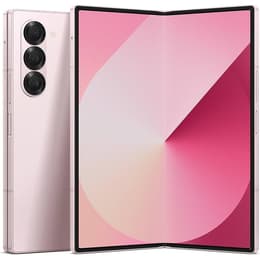
The Samsung Galaxy A56 (2025) and the Samsung Galaxy Z Fold6 (2024) represent two entirely different approaches to modern smartphone engineering within the Android ecosystem. While the Galaxy A56 delivers a traditional slate design focused on balanced everyday reliability, the Galaxy Z Fold6 introduces an innovative foldable form factor with dual screens designed for multitasking and expanded viewing. Both devices run Samsung's custom interface over Android, though they cater to vastly different user expectations through their hardware philosophy.
Available Models
Colour
Storage (GB)
Scores
Durability
When evaluating structural longevity and software support, both devices offer robust timelines though their physical designs present different maintenance considerations.
- Release timeline and support: The Galaxy Z Fold6 arrived in mid-2024, whereas the Galaxy A56 launched in early 2025, with both models benefiting from extended multi-year operating system upgrade commitments.
- Physical durability: The Galaxy A56 utilizes a standard glass-and-frame construction with high-strength protective glass, while the Galaxy Z Fold6 features a complex folding hinge mechanism and specialized inner screen materials requiring mindful handling.
- Practical lifespan: Users can expect strong software longevity from both handsets, though traditional slate models typically experience fewer mechanical vulnerabilities over years of daily use compared to folding devices.
Release year
2025
2024
Operating system
Android
Android
Foldable
No
Yes
Performance
Underneath their exteriors, these smartphones handle demanding applications and multitasking through different hardware tiers suited to their respective market segments.
- System responsiveness: The Galaxy Z Fold6 handles heavy gaming and intense professional multitasking effortlessly, while the Galaxy A56 manages everyday apps, web browsing, and moderate multitasking smoothly.
- Memory and storage: The Galaxy Z Fold6 offers high-tier RAM capacity alongside expansive storage configurations reaching up to very large capacities, whereas the Galaxy A56 provides standard memory tiers paired with ample storage options and no expandable card slot.
- Battery behavior: The Galaxy A56 features a large power capacity that easily sustains a full day of mixed use, while the Galaxy Z Fold6 powers two separate displays which can lead to faster energy depletion during heavy multi-screen workflows.
Screen quality
Display technology is one of the most significant points of divergence between these two phones, altering how media and documents are consumed.
- Display configuration: The Galaxy A56 features a single, expansive flat screen utilizing vibrant panel technology, whereas the Galaxy Z Fold6 deploys a standard cover display that unfolds into a tablet-sized folding screen.
- Refresh rate and smoothness: Both devices support high refresh rates ensuring fluid scrolling through web pages, animations, and user interface transitions.
- Outdoor visibility: High peak brightness levels on both models allow contents and text to remain legible even under direct sunlight or bright ambient lighting conditions.
Resolution
1080 x 2340
1856 x 2160
Audiovisual
Imaging hardware and multimedia output reflect the distinct engineering focuses of a traditional mid-range device versus a specialized folding flagship.
- Camera systems: Both phones incorporate versatile multi-lens rear setups featuring primary, ultra-wide, and supplementary sensors capable of handling everyday photography and low-light environments reliably.
- Video and audio: High-definition video recording comes standard on both models, supported by clear stereo speakers that deliver balanced audio for calls and media playback.
- Media consumption: The Galaxy Z Fold6 provides a uniquely large canvas for viewing photos and videos when fully opened, while the Galaxy A56 offers a conventional widescreen layout ideal for single-handed media viewing.
Miscellaneous
Practical daily utility features highlight differences in connectivity, physical dimensions, and ergonomic handling.
- Connectivity and ports: Both smartphones support modern fifth-generation cellular networks, fast Wi-Fi standards, and reliable Bluetooth pairing through standard USB-C connection ports.
- Security and authentication: Secure biometric unlocking is handled via responsive fingerprint sensors integrated into the physical hardware alongside facial recognition capabilities.
- Form factor and weight: The Galaxy A56 maintains a slim, lightweight profile that rests easily in one hand, while the Galaxy Z Fold6 is heavier and thicker when folded due to its multi-panel folding architecture. Choosing a quality-assured refurbished option through sustainable platforms like Back Market provides an eco-friendly alternative for conscious consumers looking to reduce electronic waste.
Weight
200 oz
239 oz
Screen size (in)
6.7
7.6
Network
4G
5G
SIM card
Physical SIM + eSIM
Dual Physical SIM + eSIM
Carrier compatibility
Unlocked
Unlocked
What the community thinks
User feedback from online communities indicates that buyers appreciate the Galaxy Z Fold6 for its expansive multitasking workspace, tablet-like versatility, and productivity features. At the same time, some users note the visible crease on the inner screen and the heavier folded weight as ongoing trade-offs of the folding design. Conversely, users frequently praise the Galaxy A56 for its dependable battery life, bright traditional display, and straightforward everyday reliability, though some point out that it lacks the advanced hardware flexibility of folding devices.
Users who prioritize productivity, large multi-window workflows, and innovative screen formats may prefer the Galaxy Z Fold6, while users who value a lightweight traditional design, dependable battery endurance, and straightforward operation will find the Galaxy A56 well-suited to their needs. Exploring quality-assured refurbished models on Back Market offers another practical, eco-friendly way to acquire these devices while supporting sustainable technology consumption. Ultimately, the choice depends entirely on whether daily habits favor a versatile folding workspace or a classic, reliable smartphone layout.