
Compare models
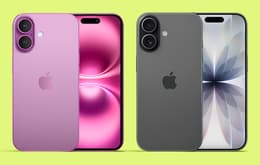
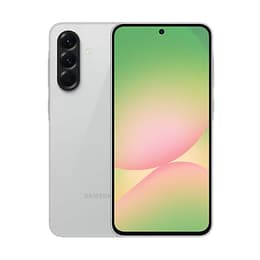
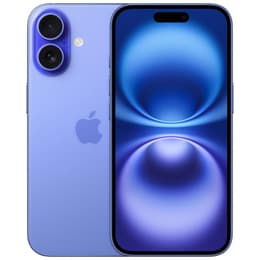
Galaxy A56 vs iPhone 16
- 1-year warranty
- Free standard shipping
- Free 30-day returns
Differences at a glance
The Samsung Galaxy A56 (2025) and the iPhone 16 (2024) represent distinct approaches to modern smartphone engineering, catering to different user ecosystems through Android and iOS respectively. While both devices occupy prominent positions in their respective product lineups, they differ fundamentally in processing architecture, software philosophy, and target user focus.
Available Models
Colour
Storage (GB)
Scores
Durability
Both smartphones provide robust long-term support timelines, though they approach durability and software lifecycles through different manufacturer commitments.
- Software Support: Both models receive extended multi-year security patches and operating system upgrades to ensure ongoing digital safety and feature additions.
- Build Durability: The iPhone 16 utilizes specialized front glass protection and an aluminum frame, whereas the Galaxy A56 incorporates reinforced glass panels and sturdy frame construction designed to withstand daily wear.
- Repairability: Both manufacturers offer structured repair channels and service options, helping extend the practical operational lifespan of each device through component replacements.
Release year
2025
2024
Foldable
No
No
Performance
System responsiveness and everyday operation differ based on the internal hardware and software optimization of each platform.
- Multitasking and Apps: Both devices handle everyday applications, web browsing, and demanding multitasking smoothly without noticeable lag or stutter.
- Storage Configuration: Available in multiple internal storage capacities, both models cater to users with varying media and app installation requirements.
- Battery Endurance: The Galaxy A56 features a large capacity cell that easily handles full-day usage, while the iPhone 16 relies on software-hardware power efficiency to achieve comparable daily battery longevity.
Screen quality
Visual output across both displays delivers sharp detail and accurate color reproduction for media consumption and daily navigation.
- Display Technology: Both models feature vibrant OLED panels that produce deep black levels and high contrast ratios for comfortable viewing.
- Brightness Levels: Outdoor visibility remains clear on both screens, automatically adjusting intensity to counter bright sunlight.
- Refresh Rate: Fluid scrolling and responsive touch interactions are standard, enhancing the overall navigation experience across menus and web pages.
Resolution
1080x2340
1179 x 2556
Audiovisual
Imaging capabilities on these devices cater to everyday photography, video recording, and video calling requirements.
- Main Camera Performance: High-resolution primary sensors capture clear, detailed photos in daylight, alongside capable low-light processing modes.
- Secondary Lenses: Ultra-wide lenses on both devices provide expanded field-of-view framing for landscape and group photography.
- Video and Audio: Stable video recording functions are complemented by clear microphone input for calls, voice notes, and media recording.
Miscellaneous
Physical dimensions and connectivity standards shape how each device fits into daily routines and accessory ecosystems.
- Connectivity: Both support modern 5G networks, fast Wi-Fi standards, and reliable Bluetooth pairing for wireless accessories.
- Security Sensors: Biometric authentication is handled via secure facial recognition or fingerprint scanning depending on the model.
- Physical Design: Ergonomic dimensions and balanced weight distribution ensure comfortable one-handed handling during extended use.
Weight
198 oz
170 oz
Screen size (in)
6.7
6.1
Network
5G
5G
SIM card
Physical SIM + eSIM
Physical SIM + eSIM
Carrier compatibility
Unlocked
Unlocked
What the community thinks
Users seeking an Android experience with a spacious display and reliable battery life will find the Samsung Galaxy A56 well-suited to their daily routine. Conversely, individuals integrated into the Apple ecosystem who prioritize streamlined software updates and pocket-friendly ergonomics often lean toward the iPhone 16. Choosing between these two devices ultimately depends on software preference and preferred ecosystem integration rather than raw capability alone.
For consumers prioritizing sustainability, choosing a quality-assured refurbished option through Back Market offers a reliable and eco-friendly alternative that reduces electronic waste while delivering fully tested performance.