
Galaxy A55 vs Motorola Edge 50 Fusion

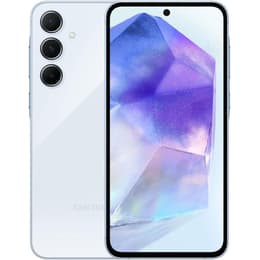
Galaxy A55
Galaxy A55
Starting at

Refurbished price:A$340.00

Versus A$699.00 new

See options
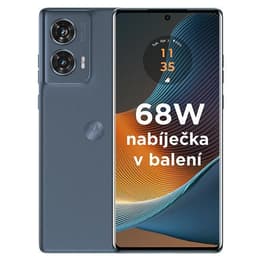
Motorola Edge 50 Fusion
See options

The Samsung Galaxy A55 and the Motorola Edge 50 Fusion are contemporary Android smartphones, both released in 2024. The Galaxy A55 launched in March 2024, while the Motorola Edge 50 Fusion followed in May 2024. While both devices offer a robust Android 14 experience, key differentiators emerge in their software support policies, display refresh rates, and overall build materials, catering to slightly different user priorities.

Scores

Durability

When considering the long-term usability and physical resilience of these devices, both offer distinct advantages.

  • Software Support: The Samsung Galaxy A55 is designed to receive four major Android operating system upgrades and five years of security updates. In contrast, the Motorola Edge 50 Fusion is expected to receive three major Android OS upgrades and four years of security updates. This difference means the Galaxy A55 generally offers a longer period of official software support.
  • Build and Protection: The Galaxy A55 features Corning Gorilla Glass Victus+ on both its front and back, complemented by an aluminum frame, and carries an IP67 rating for dust and water resistance. The Motorola Edge 50 Fusion utilizes Corning Gorilla Glass 5 for its front display, with a silicone polymer or vegan leather back and a plastic frame, boasting a higher IP68 rating for dust and water resistance. The IP68 rating on the Edge 50 Fusion indicates a greater degree of water immersion protection compared to the IP67 rating of the A55.
  • Practical Lifespan: Users often report that Motorola's software support, while shorter than Samsung's, is generally sufficient for their needs, though some express concerns about its longevity compared to competitors. The Galaxy A55's extended update policy suggests a slightly longer practical software lifespan, potentially appealing to users who keep their devices for many years.

Release year

2024

2024

Operating system

Android

Android

Foldable

No

No

Performance

Both smartphones are equipped to handle daily tasks efficiently, though their underlying architectures and real-world performance characteristics vary.

  • Processing Capabilities: The Galaxy A55 is powered by a processor that delivers good speed for everyday use, ensuring fast app loading and smooth navigation. Users generally find it reliable for casual gaming, though it may not be optimized for the most demanding competitive titles. The Motorola Edge 50 Fusion features a different processor that capably handles most tasks with ease. However, some users have noted that it can exhibit slower performance when running graphically intensive games or managing extensive multitasking scenarios.
  • Battery Performance and Charging: Both devices come with a 5000mAh battery capacity. The Galaxy A55 supports 25W fast charging, and users frequently report that its battery comfortably lasts through a full day of active use. Some tests, however, indicate its battery life might be less enduring compared to some higher-end devices. The Motorola Edge 50 Fusion offers significantly faster 68W TurboPower charging, allowing for quicker recharges. Many users praise its excellent battery longevity, often extending beyond a single day of moderate use.
  • Storage and Responsiveness: Both models are available with 8GB or 12GB of RAM and 128GB or 256GB of internal storage. The Galaxy A55 also offers expandable storage via a microSD card. The RAM configurations in both devices contribute to smooth multitasking, with the Galaxy A55's expandable storage providing additional flexibility for users with large media libraries.

Memory (GB)

8 GB

12 GB

Screen quality

The visual experience on both devices is a highlight, with each offering a vibrant and responsive display, though with some distinctions.

  • Display Technology and Size: The Samsung Galaxy A55 features a 6.6-inch Super AMOLED display, known for its deep blacks and vibrant color reproduction. The Motorola Edge 50 Fusion comes with a slightly larger 6.7-inch pOLED display, which also provides rich colors and good contrast.
  • Resolution and Clarity: Both smartphones offer Full HD+ resolutions (1080x2340 for A55 and 1080x2400 for Edge 50 Fusion), ensuring sharp and clear visuals for everyday viewing, from text to multimedia content.
  • Brightness and Refresh Rate: The Galaxy A55's display has a 120Hz refresh rate and can reach a peak brightness of 1000 nits, providing smooth scrolling and good visibility in various lighting conditions. The Motorola Edge 50 Fusion surpasses this with a 144Hz refresh rate and a higher peak brightness of up to 1600 nits, offering even smoother animations and potentially better outdoor visibility.

Resolution

1080x2340

1080 x 2400

Audiovisual

Both devices offer capable camera systems designed for capturing a range of moments, alongside solid audio experiences for media consumption and communication.

  • Rear Camera Systems: The Samsung Galaxy A55 is equipped with a triple rear camera setup, including a 50-megapixel main sensor with optical image stabilization (OIS), a 12-megapixel ultrawide lens, and a 5-megapixel macro lens. Users generally find its photos to have good clarity and decent performance in low-light conditions, with impressive video stabilization. However, some reviews mention that colors can appear oversaturated and shadows occasionally washed out. The Motorola Edge 50 Fusion features a dual rear camera system, comprising a 50-megapixel main sensor with OIS and a 13-megapixel ultrawide lens that also functions for macro shots. This device is often praised for its impressive camera performance, particularly its HDR capabilities, which capture detail in challenging lighting.
  • Front Camera and Video: Both smartphones include a 32-megapixel front-facing camera. Both the main rear cameras and the front cameras on both devices are capable of recording video in 4K resolution at 30 frames per second. The Edge 50 Fusion's selfies are noted for being sharp and clear, though sometimes lacking in overall detail.
  • Audio Experience: Both the Galaxy A55 and the Motorola Edge 50 Fusion feature stereo speakers. The Edge 50 Fusion further enhances its audio with Dolby Atmos support, contributing to a more immersive sound experience for media consumption.

Miscellaneous

Beyond core performance and display, several practical elements differentiate these two smartphones in terms of connectivity, physical design, and user interaction.

  • Connectivity and Ports: The Samsung Galaxy A55 supports Wi-Fi 6 and Bluetooth 5.3, offering more advanced wireless connectivity. It uses a USB Type-C 2.0 port for charging and data transfer. The Motorola Edge 50 Fusion supports Wi-Fi 5 (802.11 a/b/g/n/ac) and Bluetooth 5.2, and also features a USB Type-C 2.0 port.
  • Physical Characteristics: The Galaxy A55 measures 161.1 x 77.4 x 8.2mm and weighs 213 grams. Its construction includes an aluminum frame and Gorilla Glass Victus+ on both the front and back, contributing to a premium feel. The Motorola Edge 50 Fusion is slightly different in dimensions at 161.9 x 73.1 x 7.9mm and is noticeably lighter at 174.9 grams. It features a glass front (Gorilla Glass 5), with a silicone polymer or vegan leather back and a plastic frame. The lighter weight and thinner profile of the Edge 50 Fusion may appeal to users prioritizing a more comfortable in-hand feel.
  • Security and Sensors: Both devices incorporate an in-display optical fingerprint sensor for secure unlocking. They also include a standard array of sensors such as accelerometers, gyroscopes, and proximity sensors for various functionalities.

Weight

213 oz

175 oz

Screen size (in)

6.6

6.7

Network

5G

5G

SIM card

Physical SIM

Dual Physical SIM

Carrier compatibility

Unlocked

Unlocked

The Samsung Galaxy A55 and Motorola Edge 50 Fusion both present compelling options in the smartphone market, each with a distinct set of strengths that cater to different user preferences. User feedback for the Galaxy A55 often highlights its premium build quality, vibrant display, and generally reliable performance for everyday tasks. Its longer software support policy is also a significant advantage for users planning to keep their device for an extended period. However, some users have noted that its camera can sometimes produce oversaturated colors, and battery performance in intensive tests has occasionally been a point of discussion.

The Motorola Edge 50 Fusion is frequently praised for its sleek design, a display with a higher refresh rate and brightness, and its remarkably fast charging capabilities. Its camera system, particularly its HDR performance, has also received positive remarks. Conversely, a common point of criticism for the Edge 50 Fusion revolves around Motorola's shorter software update commitment compared to Samsung. Some users also report that while capable, its performance might not hold up as well during demanding gaming sessions.

Users prioritizing extended software longevity, a robust build with an aluminum frame, and consistent daily performance may find the Samsung Galaxy A55 to be a well-suited choice. On the other hand, individuals who value a lighter, thinner device with a higher refresh rate display, faster charging, and a strong camera for general photography might lean towards the Motorola Edge 50 Fusion. Both devices offer a quality-assured refurbished option, providing an eco-friendly alternative for consumers seeking reliable technology.

See all articles

Our recent comparisons