
Compare models
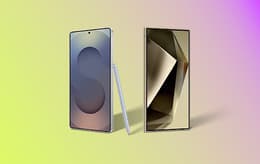
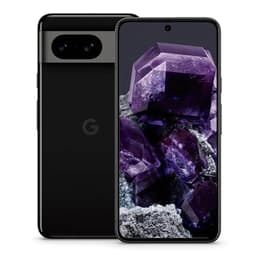
Galaxy A34 vs Google Pixel 8
- 1-year warranty
- Free standard shipping
- Free 30-day returns
Differences at a glance
The Samsung Galaxy A34 (2023) and the Google Pixel 8 (2023) represent two distinct approaches to mid-range smartphone design. While both devices launched in the same year, they cater to different user priorities through their hardware choices, software interfaces, and feature sets. The Galaxy A34 focuses on balanced daily reliability and a larger visual canvas, whereas the Pixel 8 emphasizes computational photography and long-term software commitment. Operating on distinct versions of the Android ecosystem, each device offers a unique user interface style, making them both compelling quality-assured refurbished options for everyday users.
Available Models
Colour
Storage (GB)
Scores
Durability
When examining hardware longevity and software support, both smartphones offer strong long-term usability, though they approach support timelines differently.
- Software longevity: The Google Pixel 8 provides an extended operating system and security update window of seven years, whereas the Galaxy A34 offers four generations of operating system updates and five years of security patches.
- Repairability and build: Both models feature durable glass fronts and solid plastic or metal frames with official dust and water resistance ratings, ensuring they withstand normal daily wear and tear over several years of active use.
- Practical lifespan: Users can expect both devices to maintain reliable performance and battery health over a multi-year ownership span, with the Pixel 8 holding a slight advantage for long-term software relevance.
Release year
2023
2023
Compatible with latest Update
Yes
Yes
Operating system
Android
Android
Foldable
No
No
Performance
Underneath the surface, these two smartphones handle everyday tasks, multitasking, and media consumption through distinct internal hardware platforms.
- App loading and multitasking: The Pixel 8 handles demanding applications and rapid switching between multiple active programs slightly faster, while the Galaxy A34 manages routine daily tasks and social media browsing with consistent stability.
- Storage and memory: Both devices offer configurations suitable for storing large media libraries and apps, though users should check specific storage tiers available on the second-hand market since expansion options differ between the two.
- Battery behavior: The Galaxy A34 features a slightly larger battery capacity that comfortably stretches through a full day of mixed use, whereas the Pixel 8 relies on efficient power management to sustain everyday activities before requiring a recharge.
Screen quality
Display characteristics differ notably in physical dimensions and visual presentation, impacting how users experience media and daily navigation.
- Display technology: Both smartphones utilize vibrant OLED panels that deliver deep contrast levels, rich colors, and high peak brightness for clear visibility under bright outdoor sunlight.
- Size and viewing space: The Galaxy A34 provides a larger screen area well-suited for reading and streaming video, while the Pixel 8 offers a more compact form factor that makes one-handed operation significantly easier.
- Refresh rate and fluidity: Both screens support smooth high refresh rates, ensuring that scrolling through web pages and navigating the user interface feels fluid and responsive.
Resolution
1080 x 2340
1080 x 2400
Screen type
Super AMOLED
OLED
Audiovisual
Photography and media recording capabilities highlight different engineering priorities, balancing hardware sensors with software processing.
- Main camera performance: The Pixel 8 excels in low-light photography and dynamic range management using advanced computational processing, while the Galaxy A34 produces sharp, balanced daylight images across its multi-lens setup.
- Video recording: Both models capture stable, high-definition video with clear audio capture from built-in microphones, making them reliable tools for casual content creation and video calls.
- Media consumption: Stereo speakers on both devices deliver adequate volume and clarity for watching videos or listening to podcasts without external headphones.
Main camera
48 megapixels
50 megapixels
Front camera
13 megapixels
10.5 megapixels
Miscellaneous
Practical everyday features such as connectivity, physical dimensions, and security sensors shape the overall handling experience.
- Connectivity and ports: Both devices support modern 5G networks, fast Wi-Fi standards, and Bluetooth connectivity, utilizing reversible USB-C ports for charging and data transfer.
- Security sensors: The Pixel 8 offers rapid facial recognition and an under-display fingerprint reader, whereas the Galaxy A34 relies on an optical fingerprint sensor integrated beneath the screen.
- Handling and dimensions: The Galaxy A34 has a noticeably wider and heavier footprint, whereas the Pixel 8 feels lighter and more ergonomic for pockets and smaller hands.
Weight
199 oz
187 oz
Screen size (in)
6,6
6.2
Network
5G
5G
SIM card
Physical SIM
Physical SIM + eSIM
Carrier compatibility
Unlocked
Unlocked
What the community thinks
Choosing between the Samsung Galaxy A34 and the Google Pixel 8 depends largely on individual hardware preferences and daily usage habits. Users prioritizing a larger display area, expandable storage flexibility, and long-lasting battery endurance often lean toward the Galaxy A34. Conversely, users seeking a more compact physical footprint, advanced computational photography features, and an extended software update timeline typically find the Pixel 8 better suited to their needs. Both devices offer robust everyday performance as sustainable, quality-assured refurbished alternatives that reduce electronic waste. Reviewing these practical differences helps ensure that your final choice aligns closely with how you use your smartphone daily.