Galaxy A33 5G vs Galaxy A55

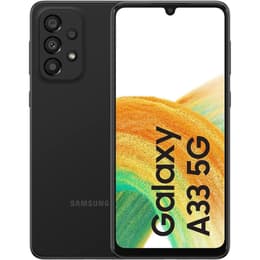
Galaxy A33 5G
Galaxy A33 5G
Starting at

Refurbished price:A$205.00

Versus A$495.00 new

See options
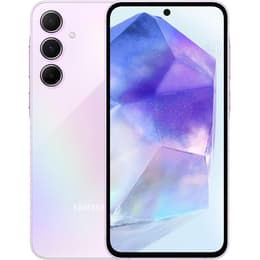
Galaxy A55
Galaxy A55
Starting at

Refurbished price:A$339.00

Versus A$699.00 new

See options

The Samsung Galaxy A33 5G, released in March 2022, and the Samsung Galaxy A55, launched in March 2024, are both mid-range smartphones from Samsung's popular A-series. While they share the Android operating system and a focus on delivering a balanced user experience, the Galaxy A55 introduces a more modern design, an updated processor, and enhanced camera capabilities compared to its predecessor. Both devices aim to provide reliable smartphone functionality for everyday use.

Scores

Durability

When considering the practical lifespan of these devices, their release dates and software support policies are key factors.

  • Software Support: The Galaxy A33 5G, having been released in 2022, is expected to receive major Android OS updates until early 2026 and security updates until early 2027. The Galaxy A55, released two years later, benefits from a longer support window, with OS updates extending to early 2028 and security updates until early 2029. [21, 25, 31]
  • Build Quality: Both models feature an IP67 rating for dust and water resistance. The Galaxy A33 5G uses a plastic back and Gorilla Glass 5 on the front, while the Galaxy A55 upgrades to a glass back with Gorilla Glass Victus+ and an aluminum frame, offering a more robust feel and potentially better scratch resistance for the display. [19, 21, 23]
  • Repairability: The Galaxy A33 5G has a repairability score of 7.5 out of 10, indicating it is relatively straightforward to disassemble for repairs. [17] The Galaxy A55 achieves a higher repairability score of 8.5 out of 10, attributed to fewer complex tools required for disassembly, easier-to-detach parts, and better availability of replacement components. [2, 3, 4, 5, 6]

Release year

2022

2024

Operating system

Android

Android

Foldable

No

No

Performance

The performance differences between the Galaxy A33 5G and the Galaxy A55 are primarily driven by their respective internal components and RAM configurations.

  • Everyday Responsiveness: The Galaxy A55, with its newer processor, offers a noticeably smoother experience for daily tasks, app loading, and general navigation. The Galaxy A33 5G handles common applications well, but some users have reported occasional heating and lagging, particularly after software updates. [24, 38]
  • Multitasking and Gaming: The Galaxy A55 provides more consistent performance during intensive multitasking and mobile gaming, maintaining higher frame rates and reducing stutters. [21] The Galaxy A33 5G, while capable, may show slight delays with more demanding applications or heavy multitasking. [27]
  • Storage and RAM: Both devices offer various storage options, typically 128GB or 256GB, expandable via microSD. The Galaxy A55 generally comes with higher RAM configurations (8GB or 12GB) compared to the Galaxy A33 5G (6GB or 8GB), which can contribute to improved multitasking efficiency. [10, 15, 19, 28]

Memory (GB)

4 GB

8 GB

Screen quality

Both smartphones feature vibrant AMOLED displays, but the Galaxy A55 offers enhancements in size, refresh rate, and brightness.

  • Display Technology and Clarity: Both devices utilize Super AMOLED panels, known for their deep blacks, high contrast, and vivid colors, providing an enjoyable viewing experience for media consumption. The Galaxy A33 5G has a 6.4-inch display with a resolution of 1080 x 2400 pixels. [7, 19] The Galaxy A55 features a slightly larger 6.6-inch display with a resolution of 2340x1080 pixels. [10, 15]
  • Smoothness and Brightness: The Galaxy A33 5G offers a 90Hz refresh rate, providing smooth scrolling. [7] The Galaxy A55 features a higher 120Hz refresh rate, resulting in even smoother animations and a more fluid user interface experience. [10, 15] The Galaxy A55 also boasts higher peak brightness levels, reaching up to 1,000 nits in high brightness mode, which can improve visibility in bright outdoor conditions. [23]
  • Durability: The Galaxy A33 5G's display is protected by Corning Gorilla Glass 5. [8] The Galaxy A55 features the more advanced Corning Gorilla Glass Victus+, offering enhanced resistance against scratches and drops. [13, 23]

Resolution

1080 x 2400

1080x2340

Audiovisual

The camera systems on both devices offer versatile photography options, with the Galaxy A55 featuring upgrades in sensor resolution and front camera performance.

  • Rear Camera System: The Galaxy A33 5G features a quad-camera setup with a 48-megapixel main sensor with optical image stabilization (OIS), an 8-megapixel ultrawide lens, a 5-megapixel macro lens, and a 2-megapixel depth sensor. [14, 43] The Galaxy A55 has a triple-camera system, upgrading to a 50-megapixel main sensor with OIS, a 12-megapixel ultrawide lens, and a 5-megapixel macro lens. [10, 15]
  • Photography Performance: Both phones are capable of capturing detailed images in good lighting conditions. The Galaxy A55's larger main sensor and improved processing can lead to slightly better low-light performance and overall image quality. [15] The ultrawide lens on the A55 also offers a higher resolution, potentially capturing more detail. [21]
  • Selfie Camera and Video: The Galaxy A33 5G is equipped with a 13-megapixel front camera. [14] The Galaxy A55 significantly upgrades the front camera to 32 megapixels, delivering sharper selfies and improved video calls. [10, 15] Both devices support 4K video recording at 30 frames per second with their main cameras, and the A55 also supports 4K video recording with its front camera. [15, 41]

Miscellaneous

Beyond core specifications, several practical elements differentiate these two smartphones in daily use.

  • Connectivity and Ports: Both devices support 5G connectivity for faster mobile data speeds. The Galaxy A33 5G features Wi-Fi 5 (802.11ac) and Bluetooth 5.1, while the newer Galaxy A55 upgrades to Wi-Fi 6 (802.11ax) and Bluetooth 5.3, offering potentially faster and more stable wireless connections. [15, 43] Both utilize a USB Type-C 2.0 port for charging and data transfer. [15, 43]
  • Biometric Security: Both smartphones incorporate an in-display optical fingerprint sensor for secure unlocking. Some users of the Galaxy A33 5G have reported occasional issues with fingerprint registration, especially with screen protectors. [24] Similarly, some Galaxy A55 users have noted the in-display fingerprint sensor can be unreliable or slow. [16, 33]
  • Design and Handling: The Galaxy A33 5G weighs 186 grams and has a plastic frame and back. [14, 19] The Galaxy A55 is slightly heavier at 213 grams and features a more premium build with an aluminum frame and a glass back. [10, 15, 23] This difference in materials contributes to the A55's more substantial feel, though some users find its weight noticeable. [16]

Weight

186 oz

213 oz

Screen size (in)

6.4

6.6

Network

5G

5G

SIM card

Physical SIM

Physical SIM

Carrier compatibility

Unlocked

Unlocked

The Samsung Galaxy A33 5G and Galaxy A55 both offer compelling features within Samsung's mid-range lineup, catering to different user priorities. Users of the Galaxy A33 5G often praise its vibrant AMOLED display and reliable performance for everyday tasks, though some have noted occasional software-related stutters or battery drain after updates. [24, 38] Common criticisms include touch sensitivity issues and a sometimes-laggy camera app. [24, 27]

The Galaxy A55, being a newer model, generally receives positive feedback for its improved build quality with an aluminum frame and glass back, as well as its smoother 120Hz display. However, some users have expressed concerns regarding its in-display fingerprint sensor's reliability, potential signal issues, and the perceived slow charging speed. [16, 33] There have also been reports of display issues like green lines or flicker for sensitive eyes, and some find its battery life disappointing despite the large capacity. [16, 32, 37]

Users prioritizing a longer software support window, a more fluid display experience, and a more premium build with enhanced durability may prefer the Galaxy A55. Its upgraded camera system also makes it a suitable choice for those who value sharper photos and higher-resolution selfies. Conversely, users seeking a slightly lighter device and who are content with a 90Hz display and a slightly older, but still capable, processor might find the Galaxy A33 5G to be a practical option. Both devices represent solid choices for daily smartphone use, and opting for a quality-assured refurbished option can be an eco-friendly alternative to extend their lifecycle.

See all articles

Our recent comparisons