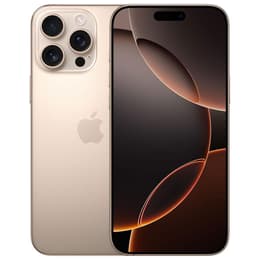

Galaxy A23 vs iPhone 16 Pro Max

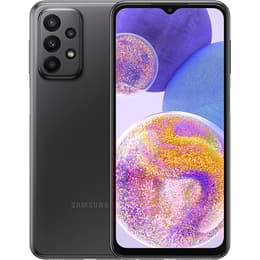
Galaxy A23
Galaxy A23
See options
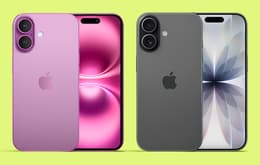
iPhone 16 Pro Max
iPhone 16 Pro Max
Starting at

Refurbished price:A$1,318.00

Versus A$2,149.00 new

See options

Ratings

The Samsung Galaxy A23, released in March 2022, and the Apple iPhone 16 Pro Max, launched in September 2024, represent distinct segments of the smartphone market. While both devices offer a comprehensive mobile experience, they cater to different user expectations through their respective operating systems and hardware philosophies. The Galaxy A23 operates on Android, offering a customizable interface, whereas the iPhone 16 Pro Max runs on Apple's iOS, known for its integrated ecosystem and streamlined user experience. The primary differentiators lie in their performance capabilities, display technology, and advanced camera systems.

Scores

Durability

The longevity of a smartphone is influenced by its release timeline, software support, and physical resilience. These two devices offer different expectations in terms of practical lifespan and repairability.

  • Software Support: The Samsung Galaxy A23 launched with Android 12 and has received updates up to Android 15 for its 5G variant, with Samsung typically providing two major Android OS upgrades and four years of security updates for this model. In contrast, the iPhone 16 Pro Max, released with iOS 18, benefits from Apple's longer software support, which generally extends for five to six years, and sometimes up to seven years, ensuring access to new features and security patches for an extended period.
  • Physical Durability: The Galaxy A23 features a plastic frame and rear, with its display protected by Corning Gorilla Glass 5, but it lacks an official IP rating for water and dust resistance. The iPhone 16 Pro Max boasts a durable titanium design, offering enhanced resilience.
  • Repairability: The Galaxy A23 has a repairability score of 6.75 out of 10, indicating that some components like the back plate and battery are replaceable with appropriate tools. The iPhone 16 Pro Max has a higher repairability score of 7 out of 10, making it one of the more repair-friendly iPhones in recent years, featuring a dual-entry design and more modular components.

Release year

2022

2024

Compatible with latest Update

Yes

Yes

Foldable

No

No

Performance

Performance is a key area where these two smartphones diverge significantly, impacting everything from daily tasks to demanding applications.

  • Processing Power: The Samsung Galaxy A23 is powered by an octa-core processor, either the Qualcomm Snapdragon 680 4G or Snapdragon 695 5G, which handles everyday tasks and moderate multitasking. The iPhone 16 Pro Max features Apple's A18 Pro chip, designed for high-intensity tasks, advanced gaming, and complex computational processes, offering a substantial increase in processing speed and graphical capabilities.
  • System Responsiveness: Users of the Galaxy A23 have occasionally reported a sluggish user interface and struggles with multitasking, particularly when numerous apps are open. The iPhone 16 Pro Max is engineered for smooth and immediate responsiveness across its operating system and applications, though some users have noted occasional screen freezing or stuttering, which are often addressed through software updates.
  • Storage and Multitasking: The Galaxy A23 offers various RAM configurations (4GB, 6GB, 8GB) and storage options (64GB, 128GB), with expandable storage via microSD. The iPhone 16 Pro Max comes with 8GB of RAM and larger internal storage options (256GB, 512GB, 1TB), providing ample space and memory for demanding applications and extensive multitasking without external expansion.

Memory (GB)

4 GB

8 GB

Screen quality

The visual experience on a smartphone is largely defined by its display, and these two devices offer different approaches to screen technology and features.

  • Display Technology and Clarity: The Samsung Galaxy A23 features a 6.6-inch PLS LCD with a resolution of 1080x2408 pixels, providing clear visuals for general use. The iPhone 16 Pro Max is equipped with a 6.9-inch Super Retina XDR OLED display, offering deeper blacks, higher contrast, and more vibrant colors due to its organic light-emitting diode technology.
  • Refresh Rate and Smoothness: The Galaxy A23 boasts a 120Hz refresh rate, contributing to smoother scrolling and a more fluid visual experience, a feature often found in higher-tier devices. The iPhone 16 Pro Max also features a dynamic 120Hz refresh rate, which intelligently adjusts to content for optimal smoothness and power efficiency.
  • Brightness and Viewing Experience: The Galaxy A23's display is bright enough for streaming and casual gaming, though some users report it can struggle with visibility in direct sunlight. The iPhone 16 Pro Max offers significantly higher brightness levels, with 1000 nits typical and up to 2000 nits peak brightness, ensuring excellent visibility even in bright outdoor conditions and supporting HDR10 content.

Resolution

1080 x 2408

1320 x 2868

Screen type

PLS LCD

LTPO Super Retina XDR OLED

Audiovisual

Camera capabilities are a significant consideration for many users, and both devices provide tools for capturing photos and videos, albeit with different levels of sophistication.

  • Rear Camera System: The Samsung Galaxy A23 includes a quad-camera setup with a 50MP main sensor, a 5MP ultrawide, and two 2MP sensors for macro and depth. This system is suitable for everyday photography, performing well in good lighting conditions. The iPhone 16 Pro Max features a triple camera system, including a 48MP Wide Angle primary camera, a 48MP Ultra-Wide Angle camera, and a 12MP Telephoto lens with up to 5x optical zoom. This setup is designed for professional-grade photography across various scenarios.
  • Low-Light and Advanced Features: The Galaxy A23's camera can struggle with focus and produce grainy images in low-light environments. The iPhone 16 Pro Max's advanced camera system, including a new 48MP Fusion camera and improved Ultra Wide camera with autofocus, is optimized for superior low-light performance and offers features like spatial photos and videos.
  • Video Recording: Video recording on the Galaxy A23 is capped at 1080p resolution at 30 frames per second, which is adequate for casual clips. The iPhone 16 Pro Max supports 4K video recording at up to 120 frames per second, providing high-resolution and slow-motion capabilities for more demanding video creators.

Main camera

50 megapixels

48 megapixels

Front camera

8 megapixels

12 megapixels

Miscellaneous

Beyond the core features, several practical elements contribute to the overall user experience and daily utility of these smartphones.

  • Connectivity and Ports: The Samsung Galaxy A23 supports Wi-Fi and Bluetooth 5.0, and includes a USB-C 2.0 port along with a 3.5mm audio jack. The iPhone 16 Pro Max offers more advanced connectivity with Wi-Fi 7 and 5G NR support, and features a USB-C port, though it omits the traditional headphone jack.
  • Biometric Security: The Galaxy A23 incorporates a fingerprint sensor for secure unlocking. The iPhone 16 Pro Max utilizes Face ID, Apple's facial recognition system, for secure authentication and payments.
  • Physical Characteristics: The Galaxy A23 measures 165.4 x 76.9 x 8.4 mm and weighs 195 grams, featuring a plastic build. The iPhone 16 Pro Max is slightly larger and heavier at 163.0 x 77.6 x 8.25 mm and 227 grams, constructed with a titanium design. The iPhone also includes a new Camera Control button, which some users find to be in an awkward position.

Weight

195 oz

227 oz

Screen size (in)

6.6

6.9

Network

4G

5G

SIM card

Dual Physical SIM

Physical SIM + eSIM

Carrier compatibility

Unlocked

Unlocked

User feedback for the Samsung Galaxy A23 often praises its large display with a 120Hz refresh rate and substantial battery capacity. However, common criticisms include a sometimes sluggish user interface, occasional overheating during intensive use, and camera performance that can be underwhelming in low-light conditions. Some users have also noted its plastic build and lack of water resistance as drawbacks.

For the iPhone 16 Pro Max, users frequently commend its powerful processor, exceptional camera capabilities, and extended battery life. Conversely, some reported issues include instances of overheating, particularly during charging or demanding tasks, and occasional software glitches like camera app stuttering or screen freezing. The placement and functionality of the new Camera Control button have also drawn mixed reactions.

Users prioritizing a highly responsive system, advanced camera features, and a premium build with long-term software support may find the iPhone 16 Pro Max well-suited to their needs. Those who value a large display with a high refresh rate, expandable storage, and a more accessible entry point into the smartphone ecosystem may lean toward the Samsung Galaxy A23. Both devices are available as quality-assured refurbished options, providing an eco-friendly alternative for consumers.
See all articles

Our recent comparisons